How Green Tea Supercharges Your Metabolism

How Green Tea Supercharges Your Metabolism and Boosts Overall Health

Green Tea Supercharges Your Metabolism. Discover the metabolic benefits of green tea and how it can enhance weight management, with a focus on its components caffeine and EGCG, supported by scientific evidence and tips for optimizing its potential, while exploring its broader health advantages and safety considerations.

Green Tea Supercharges Your Metabolism

Green Tea and Metabolism: Exploring the Connection

Green Tea Supercharges Your Metabolism. Green tea has become increasingly popular as a health beverage, largely due to its potential benefits for metabolism and weight management. Metabolism, the body’s process of converting consumed substances into energy, is a key factor in weight regulation. Green tea contains antioxidants and compounds such as caffeine and EGCG (epigallocatechin gallate), which have been studied for their potential to boost metabolism and aid in weight loss [1].

Specifically, EGCG has been found to directly inhibit certain enzymes, potentially stimulating the breakdown of fat, while caffeine indirectly affects intracellular processes that promote fat oxidation. These compounds are believed to enhance metabolic rate and fat burning, making green tea an intriguing subject of scientific inquiry into its impact on weight management.

Studies have shown that green tea extract can increase calorie expenditure, particularly during physical activity, and may contribute to a modest reduction in weight and visceral fat. Furthermore, research has revealed that green tea’s metabolism-boosting effects are more pronounced when combined with other weight loss strategies, such as a high-protein diet and reduced carbohydrate intake. These findings underscore the potential of green tea as a valuable addition to comprehensive weight management regimens.

Green Tea Supercharges Your Metabolism The Biochemical Impact of Green Tea on Metabolism

Metabolism, the intricate biochemical process by which the body converts food and drink into energy, is a critical factor in weight management. Green tea, a widely consumed beverage, has gained attention for its potential to influence metabolism and aid in weight loss. This is primarily attributed to its rich content of antioxidants and specific compounds, such as caffeine and EGCG (epigallocatechin gallate).

Caffeine, a well-known stimulant present in green tea, has been shown to stimulate the central nervous system, leading to an increase in energy expenditure. This heightened energy expenditure can contribute to the acceleration of metabolic rate, potentially resulting in greater calorie burning throughout the day. Moreover, EGCG, a potent catechin found in green tea, has been linked to the enhancement of fat oxidation and thermogenesis, which is the body’s production of heat. This means that the consumption of green tea containing EGCG may lead to the utilization of stored fat for energy, thereby positively impacting metabolic rate and aiding in weight control.

To illustrate, a study published in the Journal of Nutrition demonstrated that green tea extract, which contains high levels of EGCG, significantly increased fat oxidation during moderate-intensity exercise. This substantiates the biochemical impact of green tea on metabolism and its potential to enhance fat utilization, particularly during physical activity. Therefore, the combination of caffeine and EGCG in green tea contributes to its ability to influence metabolism and support weight management efforts.

How Green Tea Supercharges Your Metabolism

Scientific Evidence Supporting Green Tea’s Metabolism-Boosting Effects

The metabolism-boosting effects of green tea are well-documented in numerous scientific studies, shedding light on the various ways in which green tea influences the body’s metabolic processes. For example, one study found that green tea extract can significantly increase fat burning, especially during physical activity, which can lead to a greater overall calorie expenditure. This demonstrates the potential for green tea to support weight management efforts by enhancing the body’s energy utilization.

Moreover, research has revealed that green tea can have a positive impact on weight loss by reducing visceral fat, which is known to be detrimental to health. These findings have contributed to a growing body of evidence supporting the role of green tea in not only boosting metabolism but also aiding in weight management. Furthermore, the work of researchers like Mousavi et al. has further reinforced the scientific credibility of these findings, emphasizing the reliability and validity of the demonstrated metabolism-boosting effects of green tea. This highlights the importance of incorporating green tea as a potential supplement to a comprehensive weight management strategy.

Strategies for Optimizing the Metabolism-Boosting Potential of Green Tea

In addition to integrating green tea into a comprehensive weight loss regimen, there are several practical tips to maximize its metabolism-boosting effects. For example, combining green tea consumption with regular physical activity can enhance its impact on metabolism by promoting fat oxidation and calorie expenditure during exercise. Studies have shown that green tea extract can significantly boost fat burning, especially when coupled with physical activity, making it an ideal addition to a workout routine for individuals aiming to manage their weight.

Furthermore, the timing of green tea consumption can influence its metabolism-boosting potential. For instance, consuming green tea before a workout session may help increase the body’s ability to utilize fat for energy, thereby enhancing the overall metabolic response to exercise. This exemplifies how strategic incorporation of green tea into daily routines can optimize its effects on metabolism and weight management.

Moreover, it is essential to consider the quality and preparation of green tea to ensure maximum efficacy. Choosing high-quality, organic green tea and allowing it to steep properly can help retain its beneficial compounds, such as catechins and antioxidants, which play a crucial role in its metabolism-boosting effects. By paying attention to these practical aspects, individuals can harness the full potential of green tea for enhancing metabolism and supporting weight loss efforts.

Beyond Metabolism: Unveiling Green Tea’s Holistic Health Benefits

Green tea has garnered attention not only for its impact on metabolism and weight management but also for its extensive holistic health benefits. Research suggests that green tea consumption is associated with a reduction in cholesterol levels, improvement of heart health, and a decreased risk of developing conditions such as Alzheimer’s disease and type 2 diabetes. For instance, a study published in the Journal of the American Heart Association found that individuals who consumed green tea on a regular basis had a lower risk of developing heart disease and experiencing a stroke. This highlights the potential of green tea to contribute to overall cardiovascular well-being.

Moreover, the antioxidative properties of green tea, attributed to its rich content of flavonoids and other antioxidants, have been linked to a reduced risk of various types of cancer, including breast, prostate, and colorectal cancer. For example, a study conducted by researchers at the University of Maryland Medical Center showed that the polyphenols in green tea can help prevent the spread of cancer cells and even induce apoptosis, or programmed cell death, in cancerous cells. These findings illuminate the potential of green tea not only in promoting overall health but also in contributing to the prevention and management of serious health conditions. Nevertheless, it is crucial to recognize that while these potential benefits are promising, further high-quality, long-term studies are required to confirm and substantiate these claims.

Green Tea Supercharges Your Metabolism

Safety Considerations  Potential Side Effects

When considering the consumption of green tea for its metabolism-boosting effects, it is important to be aware of potential safety considerations and side effects associated with its use. While green tea is generally regarded as safe, it contains caffeine, which can lead to side effects such as insomnia, anxiety, and digestive issues in some individuals. Therefore, those who are sensitive to caffeine or have conditions aggravated by caffeine intake, such as anxiety disorders or gastrointestinal problems, should exercise caution and potentially limit their green tea consumption.

Additionally, individuals with specific health conditions, such as heart problems, kidney disorders, or stomach ulcers, should consult healthcare providers before incorporating green tea into their daily routine. This is particularly important because green tea can interact with certain medications and exacerbate certain health issues. For example, the caffeine in green tea can affect heart rhythm and blood pressure, making it necessary for individuals with heart conditions to seek medical advice before increasing their green tea intake.

It is essential to recognize that individual responses to green tea can vary, and some people may be more susceptible to its side effects than others. Therefore, consulting with a healthcare professional can help determine the suitability of green tea consumption based on individual health status and potential medication interactions. By doing so, individuals can safely and effectively leverage the metabolism-boosting benefits of green tea while minimizing the risk of adverse effects.

Concluding Remarks on Green Tea’s Role in Metabolism and Overall Health

Green Tea Supercharges Your Metabolism. In summary, green tea has garnered significant attention for its impact on metabolism and overall health. Its rich composition of antioxidants, such as catechins and flavonoids, contributes to its potential to support weight management and enhance metabolic function. One specific compound, epigallocatechin gallate (EGCG), has been extensively studied for its role in promoting fat oxidation and increasing daily calorie expenditure, which are crucial factors in weight loss and maintenance.  Green Tea Supercharges Your Metabolism. Additionally, the presence of caffeine in green tea further amplifies its metabolism-boosting effects by stimulating the sympathetic nervous system and promoting lipolysis, the process of breaking down fats for energy.

Moreover, research has indicated that incorporating green tea into a weight loss regimen, along with other strategies like consuming a high-protein diet and reducing carbohydrate intake, may yield more pronounced results in terms of fat burning and weight management. It is worth noting that the benefits of green tea extend beyond metabolism and weight loss, encompassing improvements in heart health, cholesterol reduction, and potential risk reduction for conditions such as Alzheimer’s disease and type 2 diabetes. While the evidence supporting these broader health benefits is promising, it is essential to underscore the need for further high-quality, long-term studies to validate these claims and fully understand the extent of green tea’s positive effects on overall health. Therefore, individuals are encouraged to incorporate green tea into their daily routines in conjunction with a balanced diet and regular exercise, while also consulting healthcare providers to ensure its compatibility with their unique health circumstances.

Which Is The Best Green Tea For Weight Loss

Which Is The Best Green Tea For Weight Loss


Which Is The Best Green Tea For Weight Loss. Discover the best green tea for weight loss, including Matcha, Sencha, Dragon Well, Gyokuro, and Silver Needle, and learn about the role of catechins and caffeine in boosting metabolism and fat burning. Find out the recommended daily intake, optimal timing for consumption, and potential side effects, as well as top brands and tips for incorporating green tea into your daily routine.

white ceramic teacup on brown wooden table

Green Tea’s Role in Weight Loss

Green tea has gained widespread recognition as a natural beverage associated with various health benefits, including its potential to aid in weight loss. The significance of selecting the right type of green tea for weight loss cannot be overstated. For example, Matcha green tea, renowned for its high concentration of catechins, serves as a prime example of a powerful antioxidant source that can support weight management efforts. By understanding the distinct advantages offered by different types of green tea, individuals can make informed choices that align with their weight loss goals, thereby maximizing the potential benefits of green tea consumption.

When considering the role of green tea in weight loss, it’s essential to delve into the specific components that contribute to its efficacy. Catechins, particularly epigallocatechin gallate (EGCG), have been extensively studied for their potential to enhance fat oxidation and thermogenesis, essential processes for burning fat and promoting weight loss. For instance, research has shown that the consumption of green tea extract high in catechins led to a significant decrease in body weight, body mass index, and waist circumference, highlighting the weight loss benefits attributed to these potent antioxidants. Furthermore, the caffeine content in green tea acts as a stimulant, contributing to increased energy expenditure and fat oxidation, ultimately supporting weight management efforts. By understanding the specific impact of catechins and caffeine in green tea, individuals can gain valuable insights into the mechanisms through which green tea aids in weight loss.

In addition to understanding the components of green tea, it’s crucial to recognize the diverse range of green tea varieties and their unique weight loss benefits. For example, Sencha, a popular tea in Japan, is distinguished by its robust concentration of polyphenols, which are micronutrients associated with various health-promoting effects, including support for weight management. The distinct advantages offered by different green tea varieties underscore the importance of selecting the right type to align with individual preferences and health objectives, ultimately enhancing the potential for successful weight loss through green tea consumption.

Understanding Catechins and Caffeine in Green Tea

In exploring the role of catechins in green tea, it’s noteworthy to consider the potential impact of these antioxidants on weight management. Recent studies have highlighted the significant contribution of catechins, particularly EGCG, to enhancing fat oxidation, which is essential for promoting weight loss. For instance, a study published in the International Journal of Obesity demonstrated that the consumption of green tea extract high in catechins led to a substantial reduction in body weight, emphasizing the weight loss benefits associated with these potent antioxidants. Furthermore, the caffeine content in green tea acts as a stimulant, enhancing energy expenditure and fat oxidation, further supporting its potential role in weight management. By comprehending the specific effects of catechins and caffeine in green tea, individuals can gain valuable insights into how these components contribute to weight loss benefits.

When delving into the diverse range of green tea varieties, it becomes evident that each type offers unique advantages for individuals seeking to incorporate green tea into their weight management journey. For instance, Matcha, known for its high concentration of catechins, provides a powerful antioxidant source that supports metabolism and fat burning, making it an ideal choice for individuals focused on weight loss. Similarly, Sencha, recognized for its robust polyphenol content, offers weight loss properties that align with the diverse needs and preferences of individuals seeking natural support for their weight management efforts. Understanding the specific benefits of different green tea varieties allows individuals to make informed choices that cater to their weight loss goals, ultimately optimizing the potential benefits of green tea consumption.

Varieties of Green Tea for Weight Loss

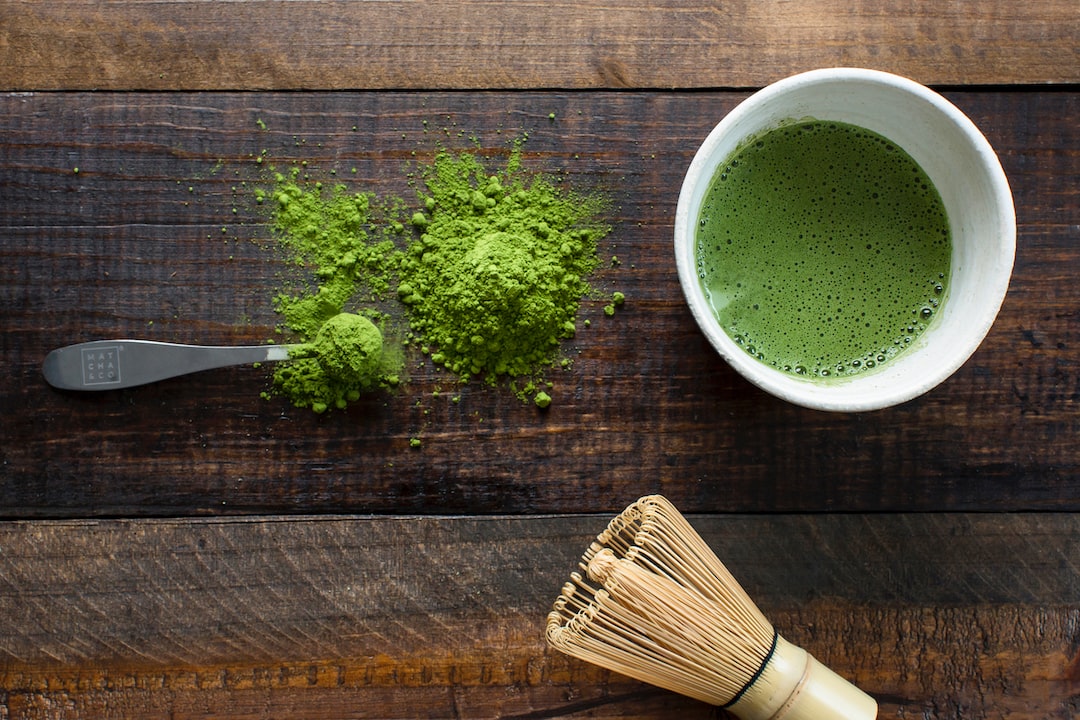
When exploring the varieties of green tea for weight loss, it’s essential to recognize the unique benefits offered by each type. For example, Matcha, a finely ground powder of specially grown and processed green tea leaves, is celebrated for its high concentration of catechins, making it a potent source of antioxidants that support weight management. The concentrated nature of Matcha allows for a more pronounced intake of beneficial compounds, ultimately enhancing its potential to aid in weight loss. On the other hand, Sencha, the most popular tea in Japan, is characterized by its robust polyphenol content, offering a versatile option for individuals seeking natural support for their weight management journey. By understanding the distinctive advantages of different green tea varieties, individuals can make informed decisions that align with their weight loss goals, ensuring that they harness the maximum benefits of green tea consumption.

In addition to Matcha and Sencha, other varieties of green tea, such as Dragon Well, Gyokuro, and Silver Needle, also offer specific advantages for individuals aiming to leverage the weight loss benefits of green tea. Dragon Well, known for its flat, smooth leaves, presents a delicate flavor profile and a notable presence of amino acids, contributing to its weight loss properties. Gyokuro, a shaded green tea, is recognized for its high levels of theanine, an amino acid that may aid in reducing stress and supporting weight management efforts. Silver Needle, a white tea made from the youngest and most tender tea leaves, provides a delicate, floral flavor and is prized for its high antioxidant content, potentially enhancing its weight loss benefits. The diverse range of green tea varieties underscores the versatility and adaptability of green tea as a supportive element in weight management, catering to the unique preferences and needs of individuals.

Top Green Tea Brands for Weight Loss

When it comes to selecting the best green tea for weight loss, a myriad of well-known brands have gained recognition for their effectiveness in supporting weight management. Brands like Tetley, Twinings, Vahdam, Lipton, Jade Leaf Matcha, Yogi, Organic India Tulsi, Goodwyn, Numi, and Matcha Green Tea Powder by Kiss Me Organics are all associated with weight loss benefits. These reputable brands offer a diverse range of green tea products, providing individuals with ample options to choose from based on their preferences and weight loss objectives. By understanding the specific offerings of these brands, individuals can make informed decisions that align with their weight management goals, ensuring that they derive maximum benefits from their green tea consumption.

In the context of Indian markets, specific green tea brands have emerged as preferred choices for individuals seeking to incorporate green tea into their weight loss regimen. Brands like Lipton Clear & Light Green Tea Bags, Kapiva Get Slim Ayurvedic Green Tea, and VAHDAM Green Tea Wellness Kit have garnered popularity for their quality, taste, and the positive feedback they have received from customers who have experienced weight loss benefits [2]. These brands cater to the diverse preferences and needs of individuals in India, offering tailored options that align with their cultural and taste preferences. By exploring the offerings of these brands, individuals can discover green tea products that effectively support their weight management journey while resonating with their unique preferences and requirements.

Brewing the Best Green Tea for Weight Loss

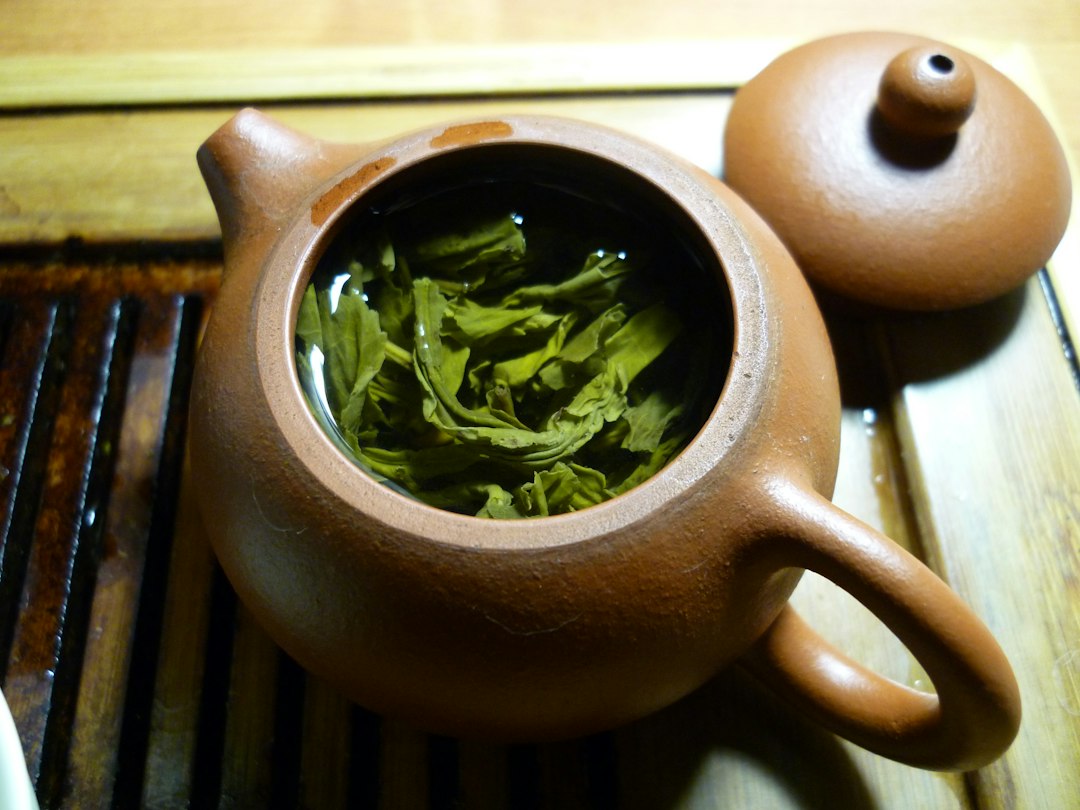
When it comes to brewing green tea for weight loss, the correct process can significantly impact its effectiveness. Proper brewing techniques, including the ideal water temperature and steeping time, are essential to preserving the tea’s catechins and ensuring optimal extraction of antioxidants for weight loss benefits. For example, steeping green tea in water that is around 175°F to 185°F, below boiling point, allows for the extraction of beneficial compounds while preserving the tea’s delicate flavors and potential weight loss properties. Additionally, utilizing high-quality loose-leaf green tea instead of tea bags can enhance the brewing process, allowing for better circulation of water around the leaves and efficient extraction of nutrients and antioxidants. By understanding and implementing the proper brewing techniques, individuals can optimize the weight loss benefits of green tea, ensuring that they derive maximum advantages from their tea consumption.

Moreover, the unique nature of Matcha requires a different brewing method due to its powdered form. Matcha is often combined with hot water and whisked to create a frothy beverage, ensuring that the entire tea leaf is consumed, thereby maximizing the intake of catechins and other antioxidants. This specialized preparation method underscores the distinct characteristics of Matcha and its potential to support weight management through its concentrated antioxidant content. By embracing the nuances of brewing different types of green tea, individuals can tailor their preparation methods to align with their weight loss goals, ultimately optimizing the potential benefits of green tea consumption.

Recommended Daily Intake of Green Tea

In the context of green tea consumption for weight loss, the recommended daily intake is around two to three cups per day, which has been associated with positive weight loss benefits. This quantity serves as an optimal starting point for individuals looking to incorporate green tea into their daily routine to support their weight management efforts. However, it’s crucial to recognize that the recommended intake may vary based on individual tolerance levels, overall health, and specific weight loss goals. For instance, individuals sensitive to caffeine or those with certain medical conditions may need to adjust their intake accordingly to ensure that it aligns with their unique requirements and potential benefits.

Furthermore, it’s essential to exercise moderation in green tea consumption, as excessive intake can lead to side effects such as insomnia or digestive issues, particularly due to its caffeine content. By being mindful of personal limits and paying attention to how the body responds to green tea consumption, individuals can optimize the weight loss benefits of green tea while minimizing the risk of adverse effects, ensuring a balanced and sustainable approach to their wellness journey. Understanding the recommended intake and the importance of moderation allows individuals to incorporate green tea into their weight management routine in a manner that aligns with their health objectives, ultimately supporting their overall well-being.

Optimal Timing for Green Tea Consumption

In optimizing the weight loss benefits of green tea, the timing of consumption plays a pivotal role. Consuming green tea before meals, particularly about 30 minutes before breakfast and lunch, is recommended to maximize its potential in aiding weight loss. This pre-meal consumption can help with appetite control, ensuring that individuals feel fuller and are less likely to overeat during their meals. Additionally, the catechins and caffeine in green tea can help boost metabolism, leading to better calorie burning during digestion, ultimately contributing to weight management efforts.

Furthermore, drinking green tea before bedtime is also suggested for individuals seeking to harness its weight loss benefits. The calming and soothing properties of green tea can aid in relaxation and stress reduction, essential factors for weight management. Additionally, consuming green tea before bed can potentially enhance the body’s overnight metabolic activity, contributing to the burning of calories even during rest. By strategically timing their green tea consumption, individuals can optimize its weight loss benefits, ensuring that it aligns with their daily routine and overall wellness objectives.

In summary, by incorporating green tea into their daily routine and being mindful of the optimal timing for consumption, individuals can effectively harness its weight loss benefits. Whether it’s before meals to control appetite and boost metabolism or before bedtime to promote relaxation and overnight metabolic activity, green tea can be a valuable addition to a holistic approach to weight management, ultimately supporting individuals in achieving their weight loss goals.

Incorporating Green Tea into Your Daily Routine

Integrating green tea into your daily routine can be a simple yet effective way to support your weight loss journey. One approach is to replace sugary or high-calorie beverages with green tea, whether it’s swapping out a morning latte for a cup of green tea or choosing it over soda throughout the day. By making this substitution, individuals not only reduce their calorie intake but also provide themselves with the potential benefits of green tea for metabolism and fat burning.

Moreover, making green tea part of your pre-meal ritual can have a positive impact on weight management. Drinking green tea about 30 minutes before meals, particularly before breakfast and lunch, can help control appetite and promote a feeling of fullness, potentially leading to reduced calorie consumption. This simple adjustment to your routine can complement a balanced diet and contribute to your overall weight loss goals. Additionally, replacing unhealthy snacks with a cup of green tea can also help curb cravings and reduce unnecessary calorie intake, making it a valuable addition to your daily habits for weight management. By strategically incorporating green tea into your daily routine, you can harness its potential to support your weight loss efforts and overall well-being.

Potential Side Effects of Excessive Green Tea Consumption

While green tea offers numerous benefits for weight loss and overall health, it’s crucial to be mindful of potential side effects, especially when consumed in excess. One common side effect of excessive green tea consumption is insomnia, attributed to the caffeine content present in the tea. Caffeine is a stimulant that can interfere with sleep patterns, so individuals sensitive to caffeine should be cautious about their intake, particularly in the latter part of the day, to avoid potential disruptions to their sleep.

In addition to insomnia, digestive issues can also arise from overconsumption of green tea. The caffeine present in green tea can lead to gastrointestinal discomfort in some individuals, causing symptoms such as stomach upset or acid reflux. This underscores the importance of being mindful of one’s caffeine sensitivity and adjusting green tea intake accordingly to prevent any digestive discomfort. By being aware of these potential side effects and exercising moderation in green tea consumption, individuals can fully enjoy its benefits without experiencing adverse effects, ensuring a balanced and sustainable approach to their weight management journey.

Where to Purchase the Best Green Tea for Weight Loss

When seeking to purchase green tea for weight loss, it’s important to explore various options to find the best fit for your preferences and needs. One popular platform to consider is Amazon, which offers a wide range of green tea products catering to weight loss. For instance, the Bigelow Tea Matcha Green Tea with Turmeric is a well-reviewed option that combines the benefits of matcha with the added advantages of turmeric, known for its anti-inflammatory properties. Additionally, FGO Organic Green Tea is highly rated and provides a natural and organic choice for individuals seeking weight loss support through green tea consumption.

As you navigate through the options, paying attention to customer reviews can offer valuable insights into the effectiveness and taste of the green tea products. Moreover, comparing price versus value is essential to ensure that you are getting the most out of your purchase. By considering natural ingredients and the absence of additives, you can make a more informed decision when selecting green tea for weight loss benefits. With the plethora of choices available, taking these factors into account will help you find the best green tea for your weight loss journey.

In addition to Amazon, exploring local and specialty stores can provide a diverse range of green tea products, catering to specific preferences and dietary requirements. The availability of green tea in various formats, such as loose-leaf, tea bags, and matcha powder, offers individuals the flexibility to choose a product that aligns with their preferences and weight management goals. By considering the diverse purchasing options available, individuals can find the best green tea that resonates with their unique needs and supports their weight loss journey effectively.

Best Green Tea For Weight Loss  Conclusion and Recommendations

Best Green Tea For Weight Loss. In conclusion, the role of green tea in weight loss is multifaceted, encompassing a diverse range of varieties and brands that offer unique benefits for individuals seeking to incorporate it into their weight management routine. By understanding the specific components of green tea, such as catechins and caffeine, as well as the distinct advantages offered by different green tea varieties, individuals can make informed choices that align with their weight loss goals, ultimately maximizing the potential benefits of green tea consumption. Moreover, the strategic incorporation of green tea into daily routines, along with the mindfulness of optimal timing for consumption, can further enhance its effectiveness in supporting weight management efforts.

As a recommendation, while green tea offers potential benefits for weight loss, it’s essential to adopt a holistic approach to health and weight management. This includes maintaining a balanced diet, engaging in regular physical activity, and consuming green tea in moderation to maximize its potential for supporting weight loss. It’s important to note that while green tea offers numerous benefits, it is not a standalone solution for weight loss and should be complemented with a healthy lifestyle to achieve optimal results. Therefore, individuals should consider incorporating green tea into their daily routine alongside other healthy habits to achieve and maintain their weight loss goals.

Furthermore, individuals should be mindful of potential side effects from excessive green tea consumption and adjust their intake accordingly to prevent adverse effects, ensuring a balanced and sustainable approach to their wellness journey. By embracing these recommendations and making informed choices, individuals can effectively leverage the potential benefits of green tea to support their weight management goals, contributing to their overall well-being and vitality.

Green Tea Tablets And Weight Loss

Green Tea Tablets And Weight Loss: Boosting Metabolism and Shedding Pounds

Green Tea Tablets and Weight Loss: A comprehensive guide to understanding the potential benefits, risks, and science behind green tea supplements for weight loss, including its impact on metabolism, fat burning ability, and customer testimonials.

white ceramic teacup on brown wooden table

Green Tea: A Comprehensive Guide to Weight Loss Supplements

Green tea tablets have gained popularity in the weight loss industry due to their potential ability to aid in weight loss by increasing metabolism and promoting fat oxidation. For many individuals, incorporating green tea extract tablets into their weight loss journey has become an appealing option. The potential benefits of green tea extract tablets extend beyond weight loss, as they are also associated with the reduction of high cholesterol levels and high blood pressure, along with the promotion of fat oxidation. These tablets offer a convenient and concentrated form of green tea’s beneficial compounds, making it easier for individuals to integrate them into their daily routine.

Understanding Green Tea and Weight Loss

An example of how green tea tablets aid in weight loss can be seen in the way they potentially increase metabolism. By raising metabolic rate and promoting fat oxidation, green tea tablets may contribute to the body’s ability to burn more calories, which is a crucial aspect of weight management. Additionally, the potential benefits of green tea extract tablets, such as the reduction of high cholesterol levels and high blood pressure, provide individuals with further incentive to consider incorporating them into their weight loss regimen. It is important for individuals to carefully consider the recommended dosage and usage of green tea tablets to ensure they maximize the benefits while minimizing any possible side effects.

Green tea has been consumed for its health properties and is the most commonly consumed beverage aside from water. Consumers spent approximately $141 million on green tea supplements in 2020, reflecting the significant interest in utilizing green tea for its potential health benefits, including weight loss. It’s essential for individuals to be aware of the potential risks and interactions with other medications or supplements, highlighting the importance of understanding the proper usage of green tea tablets to achieve optimal results while ensuring safety.

The Science Behind Green Tea and Metabolism

The relationship between green tea and metabolism is a key factor in understanding its potential impact on weight loss. Green tea can raise metabolic rate and burn more calories, primarily due to the presence of compounds such as catechins, which are often credited for their cancer-fighting potential. An example of how compounds in green tea, such as catechins, contribute to weight loss can be found in their ability to stimulate thermogenesis and fat oxidation, which are essential processes in the body’s energy expenditure and fat-burning mechanisms. Furthermore, the potential of green tea to reduce the risk of cardiovascular disease by lowering high cholesterol levels and high blood pressure underscores its multifaceted benefits beyond weight management.

Some data suggests that green tea can reduce the risk of cardiovascular disease by reducing high cholesterol levels and high blood pressure, further emphasizing its potential impact on overall health. However, it’s important for individuals to be mindful of the evidence surrounding the potential health benefits of green tea, as well as the specific mechanisms through which it may contribute to weight loss and overall well-being.

Exploring Green Tea Fat Burner Supplements

An example of the diversity within the green tea supplement market can be seen in the various brands offering green tea fat burner supplements with different ingredients, forms (capsules, gummies, and liquid soft-gels), and price ranges, providing options for different preferences and needs. The availability of these supplements in different forms and price ranges reflects the industry’s response to varying consumer preferences, offering individuals the flexibility to choose products that align with their specific requirements.

Customer reviews and experiences serve as valuable examples of the potential benefits of green tea fat burner supplements, as users have reported weight loss and increased energy levels after incorporating these supplements into their daily routine. These testimonials provide firsthand insight into the real-world impact of green tea fat burner supplements, offering a glimpse into the experiences of individuals who have utilized these products as part of their weight loss journey.

Green Tea Tablets And Weight Loss

Benefits of Green Tea Fat Burner Supplements

The benefits of green tea fat burner supplements extend beyond weight loss, as they also encompass significant antioxidant protection and support for individuals seeking to manage their weight more effectively. An example of these benefits can be found in the ability of green tea fat burner supplements to increase calorie burning and kick-start fat-burning ability, providing individuals with a potential tool to enhance their weight management efforts. Additionally, the presence of concentrated green tea extract supplements, containing high levels of EGCG, further exemplifies the potential of these supplements to promote fat oxidation and contribute to weight loss.

Concentrated green tea extract supplements, containing high levels of EGCG, have been shown to promote fat oxidation and weight loss, highlighting the specific mechanisms through which these supplements may offer support in achieving weight management goals. The inclusion of significant antioxidant protection further underscores the multifaceted nature of green tea fat burner supplements, providing individuals with a comprehensive approach to both weight loss and overall well-being.

Green Tea Tablets And Weight Loss Risks and Considerations

While green tea can raise metabolic rate and burn more calories, it is important for consumers to manage their expectations, as it will likely lead to little change on the scale. This serves as an example of the need for individuals to approach the usage of green tea tablets and supplements with realistic expectations, understanding that while they may offer support in weight management, they are not a standalone solution for achieving significant weight loss. Additionally, the lack of solid proof regarding the cancer-fighting potential of compounds in green tea, as well as the absence of conclusive evidence for health boosts from green tea supplements, underscores the importance of informed decision-making and a comprehensive understanding of the potential risks and benefits associated with these products.

It’s important for individuals to be aware of the potential risks and interactions with other medications or supplements, highlighting the need for caution and thorough consideration when incorporating green tea tablets and supplements into their weight loss journey. By acknowledging the potential risks and considerations associated with these products, individuals can make informed decisions and take necessary precautions to ensure their safety and well-being.

Popular Green Tea Fat Burner Supplements

The popularity of green tea fat burner supplements is evident in the wide array of brands available on platforms like Amazon, including Applied Nutrition, Zazzee, Nobi Nutrition, and Zenwise Health, offering different forms and price ranges. These examples showcase the diverse options available to consumers, catering to varying preferences and needs within the market. Additionally, the average rating for these supplements, around 4 out of 5 stars, along with the positive customer reviews reporting experiences of weight loss and increased energy levels, further exemplify the appeal and potential benefits of these products.

The Role of Green Tea Extract in Weight Loss Support

Green tea extract with high levels of EGCG plays a pivotal role in green tea fat burner supplements, providing vitality boost and antioxidant support from botanicals and super fruits. An example of this can be seen in the specific formulation of these supplements, where the inclusion of green tea extract with high levels of EGCG reflects a targeted approach to harnessing the potential benefits of green tea for weight management and overall well-being. By emphasizing the role of green tea extract in providing antioxidant support from botanicals and super fruits, these supplements offer individuals a comprehensive solution that extends beyond weight loss to encompass broader health support.

Green Tea Tablets And Weight Loss Customer Testimonials and Reviews

Customer testimonials and reviews serve as valuable examples of the real-world impact of green tea fat burner supplements, with many individuals reporting experiences of weight loss and increased energy levels after incorporating these products into their daily routine. These testimonials offer firsthand accounts of the potential benefits of green tea fat burner supplements, providing valuable insight for individuals considering the usage of these products as part of their weight management journey.

Green Tea Tablets And Weight Loss

The Importance of Consulting Healthcare Professionals

It is crucial for individuals to consult healthcare professionals before incorporating green tea tablets and supplements into their weight loss journey, considering potential risks and interactions with other medications or supplements. An example of this can be found in the significance of seeking professional guidance to ensure the safe and effective usage of green tea tablets and supplements. By emphasizing the importance of consulting healthcare professionals, individuals are encouraged to make informed decisions and receive personalized guidance that aligns with their specific health needs and considerations.

The availability of green tea fat burner supplements from reputable brands on platforms like Amazon serves as an example of the accessibility and consumer demand for these products, reflecting the industry’s response to the growing interest in utilizing green tea as a potential aid in weight management.

Green Tea Tablets And Weight Loss Conclusion: Making Informed Decisions About Green Tea Supplements

In conclusion, individuals considering the usage of green tea tablets and supplements for weight loss should carefully evaluate the potential benefits and risks associated with these products. Through a comprehensive understanding of the science behind green tea and its potential impact on metabolism, as well as the diverse options available in the market, individuals can make informed decisions that align with their weight management goals and overall well-being. By consulting healthcare professionals and being mindful of potential risks and considerations, individuals can navigate the usage of green tea tablets and supplements in a manner that prioritizes safety and effectiveness, ultimately contributing to a well-informed approach to weight loss support.

[1] Source: Consumer Reports Source: Applied Nutrition Source: Amazon

Green Tea and Ginger for Weight Loss

 The Powerful Duo of Green Tea and Ginger for Weight Loss

An informative article highlighting the potential benefits and combined effects of green tea and ginger for weight loss, including recipes and consumption methods, health benefits, potential side effects and precautions, and purchasing options.

Green Tea and Ginger For Weight Loss
Green Tea and Ginger

Overview of Green Tea and Ginger for Weight Management

Green tea and ginger are two natural ingredients that have gained popularity for their potential benefits in supporting weight management. This article aims to delve into the individual and combined effects of green tea and ginger on weight loss, while maintaining an informative and health-conscious tone.

One example of the popularity of green tea and ginger for weight loss can be seen in the increasing number of weight management products that feature these ingredients. From teas and supplements to culinary recipes, the market is replete with options that highlight the appeal and potential benefits of green tea and ginger for individuals seeking to manage their weight through natural means.

In addition to their popularity, it’s important to emphasize the specific ways in which green tea and ginger contribute to weight management. This includes exploring the scientific evidence behind their impact on weight, metabolism, and overall health, providing readers with a comprehensive understanding of how these ingredients can support their weight loss goals.

Benefits of Green Tea for Weight Loss

Green tea has garnered attention for its potential to aid in weight loss through various mechanisms. In addition to its well-known antioxidant properties, green tea contains catechins, such as epigallocatechin gallate (EGCG), which have been linked to improved metabolic profiles and a reduction in body mass index. For example, a study conducted on overweight women revealed that the consumption of green tea led to a significant decrease in weight and BMI among participants, showcasing the tangible impact of green tea on promoting weight loss.

Furthermore, it’s crucial to highlight the role of specific compounds in green tea, such as EGCG, in influencing weight and BMI reduction. These bioactive components have been studied for their potential effects on fat oxidation, thermogenesis, and overall energy expenditure, providing valuable insights into the multifaceted ways in which green tea can contribute to weight management. By understanding these specific mechanisms, individuals can gain a deeper appreciation for the weight loss benefits of green tea and its potential as a natural and effective aid in their journey towards a healthier weight.

In addition to these benefits, it’s important to explore the broader impact of green tea on markers of insulin metabolism, as this can have significant implications for weight and metabolic health. By delving into the scientific evidence supporting the potential effects of green tea on decreasing serum insulin concentrations and markers of insulin metabolism, individuals can gain a comprehensive understanding of how green tea influences weight management at a physiological level, empowering them to make informed choices about its inclusion in their weight loss regimen.

Weight Loss Benefits of Ginger

Ginger, known for its distinctive flavor and aromatic properties, offers its own set of weight management benefits. The bioactive compounds in ginger, particularly gingerol, have been found to stimulate biological activities in the body, potentially aiding in weight loss. Furthermore, ginger can be combined with other ingredients to enhance its weight management properties, such as lemon, apple cider vinegar, or green tea, offering individuals a variety of options to incorporate ginger into their weight loss routines.

Moreover, it’s essential to address the precautions and considerations associated with using ginger for weight loss, particularly for individuals with gallbladder disease or those who are pregnant or nursing. By highlighting these specific concerns and providing guidance on how to approach the use of ginger in such scenarios, individuals can make informed decisions about incorporating ginger into their weight management strategies while prioritizing their overall well-being. This ensures that readers are equipped with the necessary knowledge to use ginger safely and effectively in their weight loss journey.

Additionally, it’s valuable to expand on the role of ginger in stimulating thermogenesis and reducing feelings of hunger, as this sheds light on the potential mechanisms through which ginger can support weight management. By providing readers with a deeper understanding of how ginger influences energy expenditure and appetite, they can gain insight into the holistic benefits of incorporating ginger into their weight loss routine, beyond its flavor and culinary appeal.

Combining Green Tea and Ginger for Weight Loss

The combination of green tea and ginger offers a powerful duo for individuals looking to support their weight loss efforts naturally. For example, the thermogenic properties of green tea, combined with the ability of ginger to enhance calorie burning, create a synergistic effect that supports weight loss. This illustrates how the combined effects of green tea and ginger can create a comprehensive approach to weight management, harnessing the unique benefits of each ingredient to achieve a holistic impact on weight loss.

Furthermore, it’s crucial to delve into the various ways in which green tea and ginger can be combined for consumption, such as in the form of a refreshing iced tea, a warm brew, or even as an ingredient in smoothies and juices. This versatility allows individuals to incorporate the combination into their daily routines in a way that best suits their preferences and lifestyle, making it easier to adhere to a weight management plan that includes these beneficial ingredients.

In addition to highlighting the potential weight management benefits of the combination, it’s important to explore the broader health benefits that green tea and ginger offer when used together. This includes immune system boosting, improved digestion, and pain relief, among other benefits. By showcasing the holistic impact of the green tea and ginger combination on overall health, individuals can appreciate the comprehensive support that these natural ingredients provide in their weight loss journey.

Recipes and Consumption Methods

When it comes to consuming green tea and ginger for weight loss, there is a wide array of recipes and consumption methods to explore. For instance, one popular recipe involves brewing green tea with fresh ginger slices and a hint of lemon for a refreshing and health-conscious beverage. Additionally, incorporating grated ginger into a morning smoothie along with a scoop of green tea powder can be a delightful way to kickstart the day with a boost of antioxidants and potential metabolism-boosting properties.

Moreover, ginger and green tea can be combined with apple cider vinegar to create a tangy and invigorating drink that may aid in weight management. For those who prefer a more concentrated form, ginger and green tea can be consumed in juice or powder form, allowing for versatility in how these ingredients are included in a weight loss regimen. Furthermore, utilizing green tea and ginger as a detox aid in the form of a cleansing tea can contribute to the overall health and potential weight loss benefits, provided they are integrated into a balanced diet and exercise routine for optimal results.

In addition to these recipes, it’s valuable to explore the cultural and historical significance of the consumption of green tea and ginger for weight management. By delving into the traditions and practices surrounding the use of these ingredients in different cultures, individuals can gain a deeper appreciation for the diverse and time-honored ways in which green tea and ginger have been valued for their potential benefits in supporting healthy weight.

Health Benefits of Green Tea and Ginger Combination

Expanding on the health benefits of the green tea and ginger combination, it’s important to highlight the potential impact of these ingredients on immune system function. The antioxidants present in green tea and ginger play a crucial role in bolstering the body’s defenses against harmful pathogens and free radicals, providing an essential shield for overall health, in addition to weight management. By emphasizing the immune-boosting properties of the green tea and ginger combination, individuals can recognize the broader health advantages of incorporating these ingredients into their daily routine.

Furthermore, it’s crucial to explore the potential effects of the green tea and ginger combination on pain relief, particularly in the context of conditions such as arthritis. The anti-inflammatory properties of both green tea and ginger can offer relief from discomfort and support joint health, aligning with the holistic approach to well-being that these natural ingredients represent. This provides readers with a more comprehensive understanding of the potential health benefits of the green tea and ginger combination beyond weight management, underscoring their value as allies in a balanced and health-conscious lifestyle.

In addition to these health benefits, it’s important to delve into the potential impact of the green tea and ginger combination on skin health and hair health. The antioxidants and anti-inflammatory properties found in these ingredients can contribute to improved circulation, skin health, and hair growth, offering a holistic approach to overall well-being. By incorporating the green tea and ginger combination into their daily routine, individuals can access a range of benefits that extend beyond weight management, contributing to their overall health and vitality.

Green Tea with Ginger and Lemon Detox

Green tea with ginger and lemon stands out as a versatile and health-promoting combination that offers potential benefits for weight loss and detoxification. This detox tea serves as a natural and holistic approach to supporting weight management by harnessing the health benefits of all three ingredients. For example, the combination of green tea, ginger, and lemon can help boost metabolism, aid digestion, and provide antioxidants to the body, which are all essential for weight loss. This detox tea also serves as an excellent alternative to sugary or high-calorie beverages, making it an ideal addition to a well-balanced diet aimed at weight management.

Moreover, it’s essential to provide practical guidance on how to incorporate green tea with ginger and lemon detox into a daily routine. By offering detailed instructions on how to prepare and consume this beneficial concoction, individuals can easily integrate the detox tea into their lifestyle, enhancing their weight management efforts with a health-conscious and enjoyable beverage. Additionally, exploring the nutritional information of the detox tea provides valuable insights into its calorie content, micronutrient profile, and potential effects on weight management, enabling individuals to make informed choices about its inclusion in their dietary routines.

In addition to its potential effects on weight management, it’s valuable to highlight the broader impact of the green tea with ginger and lemon detox on overall health. By delving into the potential benefits of this combination on digestion, hydration, and energy levels, individuals can appreciate the multifaceted advantages of incorporating this detox tea into their daily routine, beyond its potential weight management effects. This provides readers with a comprehensive understanding of the holistic support that the green tea with ginger and lemon detox can offer in their journey towards a healthier weight and lifestyle.

Potential Side Effects and Precautions

In addition to the potential weight loss benefits of green tea and ginger, it’s important to be aware of potential side effects and precautions associated with their use. For individuals with gallbladder disease, caution is advised when incorporating ginger into their diet. Pregnant or nursing women should also approach the use of ginger with care due to its potential effects on pregnancy and breastfeeding. It’s essential for individuals in these categories to consult with a healthcare professional before using ginger for weight management.

Furthermore, it’s crucial to provide in-depth information on the potential side effects of excessive green tea and ginger consumption. Overconsumption of green tea, for example, can result in caffeine-related side effects such as anxiety, insomnia, and digestive issues. Similarly, excessive ginger intake may lead to digestive discomfort and heartburn. Understanding the appropriate dosage and frequency of consumption is crucial in harnessing the weight management benefits of green tea and ginger while minimizing the risk of adverse effects.

Moreover, it’s valuable to expand on the considerations for individuals with pre-existing medical conditions or those taking medications. By offering guidance on how to approach the use of green tea and ginger in such scenarios and emphasizing the importance of consulting a healthcare professional, individuals can navigate the potential interactions and implications of incorporating these ingredients into their weight management strategies safely and effectively.

Purchasing Options for Green Tea with Ginger

Individuals seeking to incorporate green tea with ginger into their weight management routine have a variety of purchasing options available. Natural food stores offer a diverse range of products tailored for overall health and well-being, including green tea with ginger as a viable option for weight management and overall health. These products are specifically formulated to cater to individuals looking to harness the benefits of green tea and ginger for their weight loss and health goals, providing them with accessible and convenient options to support their well-being.

Furthermore, it’s essential to explore the different forms in which green tea with ginger is available for purchase, such as loose-leaf tea, tea bags, or powdered blends. By highlighting the versatility of these products, individuals can select the format that best aligns with their preferences and lifestyle, ensuring that they can easily incorporate green tea with ginger into their daily routine in a way that suits their needs and goals for weight management.

In addition to providing information on where to purchase green tea with ginger, it’s valuable to offer practical guidance on how to discern the quality and authenticity of these products. By outlining key considerations for selecting high-quality green tea with ginger, individuals can make informed choices about their purchase, ensuring that they access products that align with their health-conscious and weight management objectives.

Key Takeaways and Recommendations

In summary, green tea and ginger offer a multitude of benefits for individuals seeking to manage their weight and overall health. Green tea, with its potential to improve metabolic profiles, reduce body mass index, and decrease serum insulin concentrations, stands out as a valuable addition to a weight management routine. Similarly, ginger, with its ability to stimulate biological activities in the body and complement other ingredients like lemon and green tea, offers versatile options for individuals looking to support their weight loss efforts.

By combining green tea and ginger, individuals can harness the synergistic effects of these natural ingredients to create a comprehensive approach to weight management that extends beyond mere calorie counting. This holistic strategy emphasizes the diverse benefits of green tea and ginger, from immune system support and pain relief to improved circulation and skin health, offering individuals a well-rounded and health-conscious approach to achieving and maintaining a healthy weight.

In light of these insights, it’s recommended that individuals consider incorporating green tea and ginger into their weight management and overall health strategies. Whether through beverages, cooking, or natural supplements, the potential benefits of green tea and ginger offer a compelling case for their inclusion in a balanced and health-conscious lifestyle. By integrating these natural ingredients into their daily routine, individuals can access a wealth of health benefits that support their journey towards a healthier weight and well-being.

Digestive Benefits of Herbal Tea

The Healing Brew: Harnessing the Digestive Benefits of Herbal Tea

Digestive Benefits of Herbal Tea. Discover the benefits of herbal tea for digestive health, including its ability to alleviate bloating and indigestion, reduce inflammation, and support a healthy digestive system, and learn how to incorporate specific herbal teas into your daily routine for improved well-being.

The Digestive Benefits of Herbal Tea
Digestive Benefits of Herbal Tea

Digestive Benefits of Herbal Tea Herbal Tea and Digestive Health

Herbal tea, also known as tisane, has a rich historical use in promoting digestive health. Its consumption is often linked to alleviating digestive discomfort and supporting a healthy digestive system. Derived from various plants and herbs, each herbal tea has unique properties that can positively impact digestive health.

For instance, ginger tea is known for aiding digestion, soothing an upset stomach, and promoting overall digestive comfort. Chamomile tea supports relaxation and helps alleviate digestion-related discomfort. Peppermint tea has pain-relieving effects and supports good bowel health, contributing to improved digestion. Additionally, green tea promotes a healthy weight and good digestion, making it beneficial for overall digestive wellness.

When trying new herbal teas for digestion, especially for children, pregnant women, and individuals taking certain medications, it is important to consider safety precautions. Some herbal teas may interact with medications, so consulting a healthcare professional before incorporating new herbal teas is essential.

Peppermint tea can help reduce abdominal pain and symptoms of IBS, while ginger tea is beneficial for stomach upset, motion sickness, and indigestion. Additionally, fennel tea helps restore balance in the gut and reduce symptoms of IBS, contributing to improved digestive comfort.

Dandelion root tea is effective for relieving water retention and bloating, supporting overall gastrointestinal wellness. Artichoke contains prebiotics that support healthy digestion, contributing to improved gut health and overall well-being.

Integrating herbal tea into a broader wellness routine can enhance digestive health and overall well-being. Consuming herbal tea throughout the day can boost a healthy gut and contribute to overall wellness.

Herbal tea offers a natural and effective way to promote digestive health, alleviate discomfort, and support overall well-being. It is recommended to explore incorporating herbal tea into the daily routine for improved digestive wellness.

Herbal tea’s historical use in promoting digestive health and overall wellness dates back centuries. Its consumption is often linked to alleviating digestive discomfort and supporting a healthy digestive system. Derived from various plants and herbs, each herbal tea has unique properties that can positively impact digestive health.

For instance, ginger tea is known for aiding digestion, soothing an upset stomach, and promoting overall digestive comfort. Chamomile tea supports relaxation and helps alleviate digestion-related discomfort. Peppermint tea has pain-relieving effects and supports good bowel health, contributing to improved digestion. Green tea promotes a healthy weight and good digestion, making it beneficial for overall digestive wellness.

When trying new herbal teas for digestion, especially for children, pregnant women, and individuals taking certain medications, it is important to consider safety precautions. Some herbal teas may interact with medications, so consulting a healthcare professional before incorporating new herbal teas is essential.

Peppermint tea can help reduce abdominal pain and symptoms of IBS, while ginger tea is beneficial for stomach upset, motion sickness, and indigestion. Additionally, fennel tea helps restore balance in the gut and reduce symptoms of IBS, contributing to improved digestive comfort.

Dandelion root tea is effective for relieving water retention and bloating, supporting overall gastrointestinal wellness. Artichoke contains prebiotics that support healthy digestion, contributing to improved gut health and overall well-being.

Integrating herbal tea into a broader wellness routine can enhance digestive health and overall well-being. Consuming herbal tea throughout the day can boost a healthy gut and contribute to overall wellness.

Herbal tea offers a natural and effective way to promote digestive health, alleviate discomfort, and support overall well-being. It is recommended to explore incorporating herbal tea into the daily routine for improved digestive wellness.

Digestive Benefits of Herbal Tea

The Herbal Brew

The Herbal Brew: Uncovering the Rich History and Cultural Significance of Herbal Tea

The Herbal Brew. Explore the origins, cultural significance, and health benefits of herbal tea, including its historical use, rituals, and diverse cultural significance worldwide.

Herbal Brew
The Herbal Brew

The Herbal Brew Historical and Cultural Significance of Herbal Tea

The term “herbal tea” refers to beverages made from the infusion or decoction of herbs, spices, or other plant material in hot water, and it is important to distinguish it from traditional caffeinated teas, as herbal teas do not contain leaves from the Camellia sinensis plant [1]. The history of herbal tea traces back to ancient times, with its use as medicine dating back to the Shang dynasty in China. The first cup of tea was discovered by the Chinese emperor Shennong and was found to have restorative properties, marking the beginning of the use of herbal tea as a medicinal beverage.

Tea-making has been considered an important skill and art form in China and Asia, with various traditions, rituals, and customs associated with its consumption. For example, the Japanese tea ceremony, or Chanoyu, is a highly ritualized practice that emphasizes mindfulness, harmony, and respect, showcasing the cultural significance and reverence for tea in Japanese society. Similarly, in India, the consumption of herbal teas like tulsi (holy basil) tea is deeply rooted in Ayurvedic traditions, where it is believed to promote overall well-being and balance in the body and mind. The global popularity of herbal teas, coupled with their diverse cultural significance, underscores their universal appeal and the unique ways in which they have been integrated into the fabric of different societies.

Clinical studies have shown significant positive effects of herbal teas on health, providing various benefits such as supporting overall good health, immunity, and prevention of illness. The introduction of tea to Europe by Portuguese or Dutch merchants brought with it the nutritional and medicinal power of plants, contributing to its historical significance. Furthermore, herbal teas have been a focus of scientific research for their antioxidant properties, with some herbal teas demonstrating comparable or even greater antioxidant effectiveness than black, green, and white teas. The concentration of bioactive compounds and antioxidant effectiveness in herbal teas depend on plant constituents, preparation method, and processing, contributing to their overall health-promoting activities.

Herbal teas have significant cultural significance globally, with various blends and ingredients providing different benefits. These teas have been used to treat various health conditions, including diabetes, arthritis, and inflammatory diseases. For instance, caper seeds have been traditionally used in Greek and Chinese medicine for their antirheumatic, anti-inflammatory, antioxidant, and hepatoprotective properties. Additionally, the historical use of herbal teas in treating various health conditions, along with specific examples of herbs and fruits known for their medicinal properties, further emphasizes the traditional medicinal significance of these beverages.

While herbal teas offer numerous health benefits, there are potential adverse health effects and risks associated with their consumption, including toxicity, allergenicity, and adverse interactions with other medications. Additionally, concerns about pesticides, heavy metals, and toxic chemical residues in herbal teas highlight the importance of ensuring consumer safety when consuming these beverages. It is essential for consumers to be mindful of safety considerations when consuming herbal teas, despite their cultural significance and health benefits.

Herbal teas, with their historical and cultural significance, have been known for their health benefits and traditional uses. For instance, Turmeric & Moringa Tea is renowned for its ability to reduce inflammation and support the function of vital organs, while Male Vitality Tea is expertly blended to improve energy and testosterone levels and protect prostate health. These specific examples highlight the diverse health benefits associated with herbal teas.

Tea consumption has been correlated with a low incidence of chronic pathologies such as cancer and cardiovascular diseases, with herbal teas offering potential health benefits in the prevention of metabolic diseases. Additionally, tea polyphenols, especially epigallocatechin gallate (EGCG), have been found to have antioxidant, antiviral, and anti-inflammatory activities, showcasing the potential health benefits of consuming herbal teas. The chemopreventive effects of tea polyphenols, particularly on cancer, emphasize the potential role of herbal teas in promoting health and preventing diseases.

Herbal tea is deeply intertwined with the cultural heritage and traditions of various societies, serving as a symbol of hospitality, healing, and spiritual connections. Its historical and cultural significance, combined with its diverse health benefits, continues to make it a revered and cherished beverage around the world.

The Herbal Brew

Benefits Of Herbal Tea

The Herbal Tea Revolution: Unlocking Health and Wellness Benefits

Benefits of Herbal Tea for Health and Wellness: Discover the potential health benefits, wellness advantages, and various types of herbal teas, along with recipes and tips for incorporating them into a healthy lifestyle.

The Benefits Of Herbal Tea
Benefits Of Herbal Tea

The Resurgence of Herbal Tea for Health and Wellness

Moreover, the resurgence of herbal tea is evident in the wide array of herbal tea blends and flavors available in the market. From soothing chamomile to invigorating ginger and refreshing peppermint, the diverse range of herbal teas caters to different tastes and health needs. This resurgence has sparked a wave of creativity in the preparation and consumption of herbal teas, with people experimenting with unique blends and brewing methods to optimize the health benefits of these beverages. As the popularity of herbal tea continues to grow, it is essential to delve into the specific health and wellness advantages that herbal teas offer, paving the way for a deeper understanding of their potential impact on holistic well-being.

The resurgence of herbal tea as a popular beverage for health-conscious individuals has been remarkable in recent years. As people become more health-conscious, they are increasingly turning to herbal teas due to their natural, caffeine-free, and low-calorie nature, making them an attractive beverage option for those seeking to improve their overall health and wellness. This renewed interest in herbal teas is also fueled by the growing awareness of their potential to address various health concerns, from stress reduction to immune system support. As a result, individuals are turning to herbal teas as a comforting and beneficial addition to their daily routines.

Moreover, the resurgence of herbal tea is evident in the wide array of herbal tea blends and flavors available in the market. From soothing chamomile to invigorating ginger and refreshing peppermint, the diverse range of herbal teas caters to different tastes and health needs. This resurgence has sparked a wave of creativity in the preparation and consumption of herbal teas, with people experimenting with unique blends and brewing methods to optimize the health benefits of these beverages. As the popularity of herbal tea continues to grow, it is essential to delve into the specific health and wellness advantages that herbal teas offer, paving the way for a deeper understanding of their potential impact on holistic well-being.

Understanding Herbal Tea

Herbal tea, also known as tisane, has experienced a resurgence in popularity as a favored beverage for health-conscious individuals. This infusion of herbs and spices offers a caffeine-free and low-calorie alternative to traditional tea, making it an attractive option for those seeking a healthier lifestyle.

The centuries-old use of herbal teas for various health benefits has contributed to their enduring appeal. For example, herbal teas have been used for relaxation, digestion, preventing chronic diseases, and fighting cold and flu symptoms. The diverse therapeutic properties of herbal teas have made them a valuable addition to holistic wellness practices. Understanding these distinct advantages can empower individuals to incorporate herbal tea into their wellness routines with confidence, appreciating both the cultural and scientific knowledge that supports its use.

In addition, herbal teas offer a wide variety of flavors and potential benefits, differentiating them from traditional teas. For instance, while chamomile tea is renowned for its calming and sleep-promoting properties, ginger tea is celebrated for its digestive benefits and immune-boosting qualities. This diversity not only caters to different taste preferences but also provides a range of health benefits to address specific wellness needs. By understanding the rich history and multifaceted nature of herbal teas, individuals can make informed choices about incorporating these beverages into their daily lives to support their overall health and well-being.

Benefits Of Herbal Tea

Health Benefits of Herbal Tea

The health benefits of herbal tea are truly diverse and remarkable. For instance, chamomile tea is renowned for its ability to improve sleep quality, aid in digestive health, regulate blood sugar levels, and alleviate symptoms of premenstrual syndrome (PMS). Its calming properties make it a popular choice for individuals seeking relaxation and stress relief. Furthermore, peppermint tea is celebrated for its antioxidant, anticancer, antibacterial, and antiviral properties, making it a go-to option for addressing indigestion, nausea, and stomach discomfort.

In addition to these specific examples, herbal teas have also been shown to have positive effects on cardiovascular health, inflammation, and cognitive function. For example, ginger tea contains gingerol, an antioxidant with immune-boosting and anti-inflammatory properties, while chamomile tea is rich in bioactive phytochemicals that may offer protection against certain cancers and support the immune system. The wealth of potential health benefits offered by herbal teas underscores their significance in promoting overall well-being and vitality. It’s important to recognize the power of nature’s remedies and the impact they can have on one’s health journey.

Wellness Benefits of Herbal Tea

The wellness benefits of herbal tea extend beyond physical health to encompass mental and emotional well-being. Herbal teas are renowned for their calming properties, making them an ideal choice for individuals seeking relaxation and stress reduction. For instance, chamomile tea, with its mild sedative effects, is often recommended to alleviate anxiety and promote better sleep, making it a popular choice for winding down after a long day. This soothing beverage has been attributed to improving sleep quality and aiding in relaxation, which are essential components of overall wellness.

Moreover, herbal tea can play a role in supporting weight loss efforts and addressing digestive issues such as constipation. Peppermint tea, known for its digestive benefits, can aid in alleviating discomfort associated with indigestion and nausea, contributing to a more comfortable and balanced digestive system. This, in turn, can positively impact an individual’s overall wellness by promoting a healthy gut and reducing gastrointestinal distress, ultimately enhancing their quality of life.

For those looking to incorporate herbal tea into their daily routine, it’s reassuring to know that most people can safely enjoy 3-4 cups of herbal tea each day, making it a convenient and accessible wellness option that can be easily integrated into a balanced lifestyle. By embracing the calming and digestive benefits of herbal teas, individuals can experience a holistic approach to wellness that encompasses both physical and mental health, contributing to an enhanced sense of well-being.

Types of Herbal Teas and Their Benefits

When it comes to herbal teas, the variety of options available can cater to diverse health needs and preferences. Let’s explore some popular herbal teas and their specific benefits in more detail.

Chamomile tea, known for its gentle, soothing properties, has been linked to improved sleep quality, making it an ideal choice for those struggling with insomnia or seeking relaxation before bedtime. Additionally, chamomile tea has been found to aid in digestive health by soothing the stomach and reducing symptoms of indigestion.

Another beloved herbal tea, peppermint, contains antioxidants and antibacterial properties that can provide relief from indigestion, bloating, and nausea. Its refreshing flavor and potential to ease stomach discomfort make it a go-to option for those seeking digestive support or a soothing beverage after a heavy meal.

Furthermore, ginger tea, derived from the root of the ginger plant, is recognized for its ability to alleviate nausea, making it a valuable option for individuals experiencing motion sickness or morning sickness during pregnancy. Additionally, ginger tea has shown promise in improving blood sugar and lipid levels in people with diabetes, highlighting its potential role in supporting metabolic health.

By understanding the specific benefits of different herbal teas, individuals can choose beverages that align with their wellness goals and enjoy a flavorful way to support their overall health and well-being.

Benefits Of Herbal Tea

Herbal Tea Recipes for Health and Wellness

When it comes to herbal tea recipes for health and wellness, there are numerous options that cater to different health needs and taste preferences. One popular recipe is ginger and turmeric tea, which combines two potent ingredients known for their anti-inflammatory and antioxidant properties. To make this invigorating tea, simply steep fresh ginger slices and a dash of turmeric in hot water for a soothing and health-boosting beverage. The combination of these ingredients not only provides a warm and comforting drink but also supports overall wellness by reducing inflammation and promoting immune health.

Another rejuvenating herbal tea recipe is a blend of chamomile, lavender, and lemon balm. This calming and fragrant infusion is perfect for relaxation and stress relief, making it an ideal bedtime beverage. By steeping these gentle herbs together, individuals can create a soothing tea that helps alleviate anxiety, promotes quality sleep, and supports emotional well-being. The subtle floral and citrus notes add a delightful touch to this wellness-focused recipe, making it a delightful addition to any self-care routine.

Introducing these herbal tea recipes into daily life not only provides a flavorful and enjoyable way to consume herbal teas but also allows individuals to harness the health benefits of these natural ingredients. Whether it’s a spicy and warming ginger and turmeric tea or a soothing blend of chamomile, lavender, and lemon balm, these recipes offer a simple and accessible means of incorporating herbal teas into a health-conscious lifestyle.

[2] Source: https://www.healthline.com/nutrition/10-herbal-teas

Incorporating Herbal Tea into a Healthy Lifestyle

Integrating herbal tea into a balanced and healthy lifestyle is achievable with mindful consumption and thoughtful choices. Herbal tea can support dietary goals, promote hydration, and reduce the intake of sugary beverages, contributing to overall wellness.

In addition to being a hydrating alternative to sugary drinks, herbal teas can be incorporated into various recipes to add flavor and provide health benefits. For example, adding a splash of chamomile tea to a fruit smoothie not only enhances the taste but also contributes to relaxation and digestion support. Similarly, incorporating hibiscus tea into homemade salad dressings not only adds a refreshing zing but also offers potential cardiovascular benefits and helps in reducing oxidative stress. These simple but effective ways of using herbal teas in culinary creations can elevate the nutritional value of meals and snacks, promoting a wholesome approach to wellness.

Furthermore, replacing evening snacks with a comforting cup of herbal tea, such as peppermint or ginger tea, can help manage cravings and reduce unnecessary calorie consumption. By consciously choosing herbal tea as a go-to beverage, individuals can align their lifestyle with health-conscious practices, ultimately contributing to their overall well-being. Whether enjoyed hot or cold, herbal tea can be seamlessly integrated into daily routines, offering a natural and enjoyable way to prioritize health and wellness in a sustainable manner.

Safety and Considerations

When it comes to herbal tea, it’s important to be mindful of potential side effects and individual sensitivities, especially when integrating it into a wellness routine. While herbal teas offer a myriad of health benefits, it’s crucial to understand the specific impact they may have on your body, particularly if you have any existing health conditions or allergies. For example, some individuals may experience digestive discomfort or allergic reactions to certain herbal teas, underscoring the need for personalized consideration.

Moreover, providing clear guidance on the safe and appropriate consumption of herbal tea is paramount. This includes outlining the recommended daily intake to derive maximum benefits without incurring adverse effects. For instance, while herbal teas are generally safe for daily consumption, it’s advisable to consume them in moderation, with 3-4 cups a day being a common amount for most individuals. Additionally, it’s vital to consider special health conditions such as pregnancy, lactation, or specific medical treatments, where certain herbal teas may not be suitable or may require consultation with a healthcare professional for personalized recommendations.

Herbal Tea and Specific Health Conditions

In addition to promoting overall health and wellness, specific types of herbal teas have been found to offer targeted benefits for addressing various health conditions. For instance, ginger tea is known for its ability to alleviate nausea and relieve period pain, making it a natural and soothing remedy for individuals experiencing these discomforts. The active compounds in ginger have been shown to have anti-inflammatory and analgesic properties, providing relief from menstrual symptoms and digestive discomfort. Moreover, ginger tea has also demonstrated potential in improving blood sugar and lipid levels in individuals with diabetes, underlining its versatility in supporting specific health needs.

Similarly, hibiscus tea has garnered attention for its potential to positively impact cardiovascular health. Studies have suggested that regular consumption of hibiscus tea may contribute to lowering blood pressure, improving cholesterol levels, and reducing oxidative stress. These findings highlight the valuable role of hibiscus tea in supporting individuals with hypertension or those aiming to enhance their heart health. By incorporating these specific herbal teas into their daily routines, individuals can harness their unique properties to address targeted health concerns and complement their overall well-being.

The Future of Herbal Tea Research

Benefits Of Herbal Tea.  The potential of herbal tea to benefit a wide range of individuals through its diverse properties warrants continued investigation. Further research is necessary to uncover additional health and wellness benefits of herbal tea, making it an exciting area of exploration for natural and accessible wellness solutions. The potential of herbal tea to enhance overall health and well-being, coupled with its rich history and cultural significance, underscores the importance of ongoing research to expand our knowledge of its therapeutic properties.

[1] Source: My Tea Drop Source: Healthline

Green Tea Its Impact on Weight Loss

Green Tea: Its Impact on Weight Loss and Overall Health

Green Tea Its Impact on Weight Loss. The Science Behind Green Tea and Weight Loss: Discover how compounds in green tea, such as antioxidants and EGCG, contribute to weight loss, boost fat burning, reduce visceral fat, and support overall health, as well as practical strategies for incorporating green tea into a weight loss regimen.

Green Tea Its Impact on Weight Loss

Green Tea’s Impact on Weight Loss

Green tea has garnered attention for its potential impact on weight loss, driven by the compounds it contains. Antioxidants, caffeine, and EGCG found in green tea have been linked to weight loss and metabolism [1]. For example, EGCG, a potent catechin in green tea, has been shown to play a role in fat oxidation and thermogenesis, contributing to weight management efforts [1]. Additionally, the combination of these compounds in green tea can support overall health, making it a valuable addition to a weight loss regimen.

In a study conducted by researchers, it was found that green tea extract can enhance fat burning, particularly during physical activity, through its influence on metabolism and increased calorie burning throughout the day.

This illustrates the practical application of green tea in supporting fat burning and overall weight management. Moreover, the impact of green tea on metabolism can lead to increased calorie burning, which can aid individuals in their weight loss journey by promoting a more efficient use of energy.

Furthermore, green tea has been associated with a reduction in visceral fat, which is known to pose significant health risks [1, 2]. Visceral fat, commonly found around the abdominal area, is linked to various health issues such as heart disease and type 2 diabetes.

By consuming green tea, individuals may contribute to a healthier body composition and reduce the potential health risks associated with excess visceral fat. This exemplifies the multifaceted benefits of green tea in promoting a healthy weight and reducing health risks associated with obesity.

Overview of Green Tea and Weight Loss Studies

The comprehensive review of 18 studies provides valuable insights into the efficacy and safety of green tea preparations for weight loss and maintenance, involving a total of 2076 participants. For instance, a study conducted in Japan demonstrated that participants in the green tea group lost between 0.2 to 3.5 kg more than the control group, underscoring the potential of green tea in facilitating weight loss. This showcases the diverse range of studies that contribute to a deeper understanding of the potential benefits of green tea for individuals aiming to achieve healthier body compositions.

Green Tea Its Impact on Weight Loss. In addition to the efficacy of green tea for weight loss, the geographical diversity of the studies, including locations such as the Netherlands, Australia, China, Taiwan, Thailand, and the US, offers a global perspective on the impact of green tea on weight loss.

This global representation in the studies supports the notion that the benefits of green tea for weight loss may be applicable to a wide range of populations, irrespective of geographical location or cultural background.

Moreover, the variations in study duration, which ranged between 84 and 91 days, provide valuable insights into the short-term effects of green tea consumption on weight loss.

Longer-term studies are essential for understanding the sustainability and long-term impact of green tea preparations on weight management, shedding light on the potential for continued weight loss or maintenance beyond the initial intervention period. This emphasizes the need for ongoing research to explore the enduring effects of green tea on weight management.

Safety and Adverse Effects of Green Tea Preparations

When considering the safety of green tea preparations, it is essential to acknowledge the reported adverse effects documented in studies. These adverse effects ranged from mild to moderate symptoms, with a few cases resulting in hospitalization, albeit with no reported deaths.

It is crucial to recognize that while green tea offers potential benefits for weight loss and overall health, individuals should be aware of the potential risks associated with its consumption.

The chemical composition of green tea preparations was a key factor that researchers took into account when comparing data between studies. This highlights the significance of understanding the specific components of green tea and their potential impact on individuals, especially those utilizing green tea for weight loss purposes.

By recognizing the chemical content and potential variations in green tea products, individuals can make informed decisions about incorporating green tea into their weight loss regimens, considering the safety and potential adverse effects associated with its consumption.

Furthermore, a Cochrane Systematic Review in 2012 examined green tea for weight loss in overweight or obese adults, finding that while the reported adverse effects were generally mild to moderate, with hypertension and constipation being the most common, the overall risk profile of green tea preparations should be carefully considered.

This underscores the importance of understanding the potential adverse effects of green tea preparations and highlights the need for individuals to approach its consumption with caution.

Green Tea Its Impact on Weight Loss

Additional Benefits of Green Tea

Aside from its potential impact on weight management, green tea offers a range of additional health advantages.

In addition to the potential weight loss benefits, green tea has been associated with potential positive impacts on heart disease risk and overall health [1, 2]. Specifically, the antioxidants in green tea , such as EGCG, have been linked to reduced inflammation and improved blood vessel function, potentially lowering the risk of heart disease.

This underlines the broader health implications of incorporating green tea into a daily routine, beyond its role in weight management.

Moreover, green tea is known for its relaxing properties, which can help reduce stress and promote mental well-being. The combination of L-theanine and caffeine in green tea has been found to induce a calming effect, aiding in stress reduction and relaxation.

This dual benefit of relaxation and potential heart health improvements positions green tea as a valuable addition to a holistic approach to overall well-being and healthy lifestyle choices.

Additionally, a study published in the National Center for Biotechnology Information (NCBI) highlighted the potential positive effects of green tea on heart health, emphasizing that regular consumption of green tea may contribute to a reduction in the risk of heart disease and other cardiovascular disorders.

This further supports the notion that green tea offers a multifaceted approach to improving overall health and well-being beyond its role in weight management.

Green Tea Its Impact on Weight Loss And Health

Green Tea and the Supplement Industry

The supplement industry is not well regulated, and there are potential risks associated with consuming large doses of green tea extracts. This raises concerns about the safety and efficacy of green tea products, especially in supplement form.

For example, high doses of green tea extracts can lead to adverse effects such as gastrointestinal discomfort, liver damage, and in some cases, hospitalization. Therefore, individuals should exercise caution and seek professional guidance before incorporating green tea supplements into their weight loss regimen.

Moreover, the lack of stringent regulation in the supplement industry emphasizes the importance of thoroughly researching the quality and reliability of green tea products. For instance, individuals should look for supplements that have been tested by third-party organizations for purity, potency, and safety. This proactive approach can help mitigate potential risks associated with unregulated supplement consumption and ensure that individuals can safely harness the potential benefits of green tea for weight loss and overall health.

It is also essential to highlight the importance of consulting with healthcare professionals before incorporating green tea supplements into a weight loss regimen, particularly for individuals with pre-existing medical conditions or those taking medications.

This proactive step can help individuals make informed decisions about the use of green tea supplements and minimize the potential risks associated with their consumption.

Green Tea  Its Impact on Weight Loss Green Tea and Fad Diets

Emphasizing the ineffectiveness of fad diets, the focus is redirected towards sustainable, healthy weight loss strategies, including a balanced diet and regular exercise.

While fad diets may promise quick results, they often fail to deliver sustainable outcomes and can even be detrimental to overall health. By contrast, sustainable weight loss strategies emphasize the importance of a balanced diet, regular exercise, and lifestyle modifications that can be maintained over the long term.

For example, rather than resorting to extreme calorie restrictions or overly restrictive meal plans, individuals can focus on consuming a variety of nutrient-dense foods, including fresh fruits and vegetables, whole grains, lean protein, and healthy fats.

This balanced approach to nutrition not only supports weight management but also provides essential nutrients for overall health and well-being. Furthermore, incorporating regular physical activity into daily routines, such as cardio exercises, strength training, or yoga, can contribute to sustainable weight loss and improved fitness levels.

When it comes to integrating green tea into a holistic weight management approach, individuals can view it as a supportive element that aligns with healthy lifestyle choices.

For instance, green tea can serve as a beneficial alternative to high-calorie, sugary beverages, thereby contributing to a reduction in overall calorie intake. Additionally, its potential to enhance metabolism and fat burning during physical activity makes it a valuable addition to a well-rounded weight loss regimen.

By combining the consumption of green tea with a balanced diet and regular exercise, individuals can optimize their weight loss efforts and work towards achieving sustainable and long-term results.

Green Tea And Weight Loss

Green Tea And Weight Loss: A Natural Solution for Weight Loss

Green Tea And Weight Loss. Discover the potential weight loss benefits of green tea, including increased metabolism, fat burning, and reduction of harmful visceral fat, and learn how to effectively incorporate green tea into your weight loss regimen.

Green Tea And Weight Loss
Green Tea A Natural Solution for Weight Loss

Green Tea: A Natural Aid for Weight Loss

Green tea has gained significant attention for its potential role in aiding weight loss. Its rich content of antioxidants, caffeine, and EGCG has been associated with various health benefits, including weight management. Studies have indicated that green tea extract can enhance fat burning, particularly during physical activity, and elevate metabolism, leading to the burning of more calories daily.

Understanding the specific ways in which green tea influences weight loss can provide valuable insights for individuals seeking to incorporate it into their wellness journey.

For instance, a study published in the International Journal of Obesity and Related Metabolic Disorders found that green tea extract high in catechins significantly increased energy expenditure and fat oxidation, contributing to weight loss. This highlights the potential of green tea constituents in positively impacting metabolic processes, aligning with the findings of various research studies.

Understanding Green Tea and Weight Loss

Green tea’s potential impact on weight loss is a result of its various bioactive compounds, particularly catechins like EGCG, which have been shown to have thermogenic properties that promote fat oxidation.

Notably, the effects of green tea on weight loss are modest but can contribute to reducing harmful visceral fat, with potential cumulative benefits when combined with other weight loss strategies such as increased protein intake and reduced carbohydrate consumption.

This indicates that while green tea alone may not lead to substantial weight reduction, its incorporation into a comprehensive weight loss plan can yield favorable outcomes.

Moreover, the Healthline review on green tea and weight loss emphasized the significance of combining green tea with other weight loss strategies to enhance its effectiveness.

The review highlighted the potential of green tea to reduce harmful visceral fat, contributing to overall health benefits beyond weight management. This comprehensive approach aligns with the multifaceted nature of weight loss and the potential synergistic effects of combining various strategies.

Green Tea And Weight Loss
Green Tea A Natural Solution for Weight Loss

Green Tea For Weight Loss Exploring the Science

The Cochrane Systematic Review conducted in 2012 provided valuable insights into the effects of green tea on weight loss, revealing variations in outcomes based on geographical locations.

While studies conducted outside Japan showed small, nonsignificant weight loss in favor of green tea, those in Japan demonstrated that the green tea group experienced greater weight reduction compared to the control group.

This variation underscores the importance of considering diverse factors, including lifestyle and dietary habits, when evaluating the impact of green tea on weight loss.

Furthermore, a study conducted by researchers based in Iran emphasized the potential of green tea in weight management.

The study found that green tea supplementation resulted in significant decreases in body weight and waist circumference, highlighting the practical implications of incorporating green tea into weight loss regimens.

These insights underscore the value of exploring diverse research findings to gain a comprehensive understanding of green tea’s role in weight management.

Incorporating Green Tea into a Weight Loss Regimen

Effectively integrating green tea into a weight loss plan involves considering the recommended daily intake and potential recipes for maximizing its benefits.

For example, incorporating green tea into smoothies, iced drinks, or using it as a marinade for lean protein sources can offer creative and enjoyable ways to consume it as part of a weight loss regimen.

This encourages individuals to explore diverse culinary approaches that align with their preferences and dietary habits while harnessing the potential benefits of green tea in weight management.

Additionally, the WebMD review on green tea’s health benefits emphasized its versatility and widespread availability, highlighting the accessibility of green tea in various forms such as bagged, powdered, and loose leaf. This accessibility makes it easier for individuals to incorporate green tea into their daily routines, potentially contributing to consistent consumption and enhanced adherence to a weight loss plan.

The Role of Metabolism and Fat Burning

Green tea’s influence on metabolism and fat burning is a key aspect of its weight loss benefits. The ability of green tea to increase metabolism and aid in burning more calories each day can significantly contribute to weight management efforts.

Understanding the specific mechanisms through which green tea supports fat burning, particularly during physical activity, provides valuable insights into its potential impact on weight loss.

For instance, a study published in the European Journal of Clinical Nutrition found that green tea extract high in catechins significantly increased fat oxidation during moderate-intensity exercise, demonstrating its potential to enhance fat-burning effects.

Antioxidants in Green Tea

The specific antioxidants found in green tea, particularly EGCG, have been associated with potential weight loss and overall health benefits, contributing to the body’s capacity to burn fat and support weight loss goals.

These antioxidants play a crucial role in enhancing metabolic processes and promoting fat oxidation, aligning with the findings of various studies on green tea’s influence on weight management.

Moreover, a study conducted by researchers based in Iran highlighted the potential of green tea antioxidants in positively impacting weight loss.

The study emphasized that green tea catechins, particularly EGCG, can modulate lipid metabolism and adipose tissue distribution, offering insights into the underlying mechanisms through which green tea influences weight management.

This emphasizes the multifaceted nature of green tea’s effects on weight loss and the potential contributions of its antioxidant content.

Green Tea and Exercise

The combination of green tea consumption with exercise may have synergistic effects on weight loss, emphasizing the combined benefits of both strategies.

Green Tea And Weight Loss. Research studies have demonstrated the effectiveness of combining green tea consumption with exercise for enhanced weight loss outcomes, highlighting the potential of a comprehensive approach that integrates dietary modifications and physical activity for optimal weight management.

For example, a study published in the American Journal of Clinical Nutrition found that the combined effects of green tea and exercise on fat oxidation were greater than either intervention alone, underscoring the potential synergistic benefits of integrating green tea into an active lifestyle.

Green Tea And Weight Loss
Green Tea For Weight Loss

Green Tea Recipes for Weight Loss

Green Tea And Weight Loss. Introducing specific green tea recipes that are particularly beneficial for weight loss can offer easy-to-prepare options that complement a weight loss regimen.

For instance, incorporating green tea into refreshing smoothies with nutrient-dense ingredients like spinach, berries, and Greek yogurt can provide a satisfying and healthful option for individuals seeking to harness the benefits of green tea in their weight management journey.

Additionally, using green tea as a flavorful base for salad dressings or incorporating it into homemade energy bars can offer innovative ways to integrate green tea into a weight loss-focused diet.

Green Tea A Natural Solution for Weight Loss Conclusion

In summary, the multifaceted benefits of green tea in weight management, encompassing its impact on metabolism, fat burning, and overall health, underscore its potential as a natural aid for individuals seeking to achieve their weight loss goals.

The diverse array of research findings and practical insights provide valuable guidance for individuals looking to incorporate green tea into their weight management regimens.

Encouraging readers to explore the potential of green tea in their weight loss journey based on the evidence presented can empower them to make informed choices that align with their wellness aspirations.

Green Tea A Natural Solution for Weight Loss
Green Tea And Weight Loss

References

  1. Healthline: Green Tea and Weight Loss
  2. WebMD: Health Benefits of Green Tea
  3. Cochrane Systematic Review
  4. Iranian Journal of Pharmaceutical Research
  5. European Journal of Clinical Nutrition
  6. American Journal of Clinical Nutrition

Green Tea Its Metabolic Health Benefits

Embracing Green Tea:  Its Metabolic Health Benefits

Green Tea Its Metabolic Health Benefits.  Discover the potential metabolic health benefits of green tea, including improved weight management, enhanced brain function, and potential effects on heart health and diabetes management.

Green Tea Its Metabolic Health Benefits

Green Tea: Exploring Its Components and Potential Health Effects

Green tea, derived from the Camellia sinensis plant, boasts an impressive array of bioactive compounds that contribute to its potential health effects. One of the key components is epigallocatechin gallate (EGCG), a polyphenol antioxidant that has been extensively studied for its health benefits. For example, EGCG has been linked to improved cognitive function and mood, as well as potential benefits for brain health.

Additionally, research suggests that the polyphenol antioxidants in green tea play a significant role in supporting metabolic health, including effects on weight management, fat oxidation, and insulin sensitivity. Green tea also contains other polyphenols and catechins that contribute to its potential health effects.

For instance, catechins like epicatechin, epicatechin gallate, and epigallocatechin have been studied for their role in promoting overall health and well-being. These compounds have been associated with increased metabolic rate, fat burning, and improved heart health.

The combination of these bioactive compounds in green tea underscores its potential to positively influence various aspects of metabolic health, making it an intriguing subject for ongoing scientific research and exploration.

Moreover, green tea’s diverse array of bioactive compounds offers a broad spectrum of potential health benefits that continue to be a focus of scientific inquiry and investigation. These components not only support cognitive function and mood but also impact metabolic processes, further underscoring the significance of green tea in promoting overall health and well-being.

Green Tea Its Metabolic Health Benefits  Impact of Green Tea on Metabolic Health

Green tea has been the subject of numerous studies exploring its potential impact on metabolic health. One of the key findings is its association with increased metabolic rate and fat burning, particularly when paired with regular physical activity. For example, a study conducted by Chacko, Thambi, and Nishigaki found that green tea extract can enhance fat burning during exercise, leading to potential improvements in metabolic function.

This suggests that green tea has the capacity to support individuals in their efforts to manage their weight and improve their overall metabolic health. Furthermore, the specific bioactive compounds in green tea, such as epigallocatechin gallate (EGCG), have been identified as crucial contributors to these metabolic effects.

For instance, research by Mousavi, Vafa, Neyestani, Khamseh, and Hoseini has highlighted the significant role of EGCG in promoting metabolic processes and fat oxidation, shedding light on the potential mechanisms through which green tea exerts its metabolic benefits.

Additionally, green tea’s impact on metabolic health extends beyond fat burning and weight management, influencing various physiological processes that contribute to overall well-being.

Weight Management Benefits of Green Tea

Green Tea Its Metabolic Health Benefits. The weight management benefits of green tea extend to its ability to boost fat burning, especially during exercise, by increasing metabolic rate and calorie expenditure.

For example, a study published in the American Journal of Clinical Nutrition found that participants who consumed green tea extract with exercise experienced a significant increase in fat oxidation compared to those who did not. This demonstrates the direct impact of green tea on enhancing fat burning during physical activity, highlighting its potential role in supporting weight management efforts.

Additionally, the reduction of harmful visceral fat is a crucial aspect of weight management, as it is linked to an increased risk of various health conditions, including heart disease and type 2 diabetes. Green tea’s ability to decrease the amount of visceral fat provides a tangible benefit for overall metabolic health and weight management.

For instance, a research study conducted at the University of Chicago revealed that individuals who regularly consumed green tea experienced a decrease in visceral fat levels over a 12-week period, supporting the positive influence of green tea on body composition and metabolic health.

Furthermore, the combination of green tea consumption with other weight management strategies, such as a diet rich in protein and reduced carbohydrate intake, can lead to synergistic effects, further enhancing the overall impact on weight loss and metabolic health.

Research published in the International Journal of Obesity demonstrated that individuals following a high-protein, low-carbohydrate diet in conjunction with green tea supplementation experienced greater weight loss and reduction in waist circumference compared to those who followed the diet without green tea.

This highlights the complementary nature of green tea with other dietary approaches in achieving effective weight management and emphasizes its role in a holistic strategy for improving metabolic health.

Regulation of Cholesterol, Blood Sugar, and Heart Health

In addition to its impact on metabolic health and weight management, green tea has been associated with potential benefits in regulating cholesterol levels and blood sugar, as well as supporting heart health.

Studies have suggested that the consumption of green tea may contribute to the reduction of certain markers of heart disease and help in controlling cholesterol levels, which are crucial factors in maintaining cardiovascular health.

For example, a study conducted by Chacko, Thambi, and Nishigaki found that green tea consumption was associated with a decrease in LDL cholesterol levels, commonly referred to as the “bad” cholesterol, which is linked to a higher risk of heart disease.

This indicates the potential of green tea in promoting heart health by positively influencing cholesterol levels. Furthermore, the relationship between green tea and blood sugar regulation has also been a subject of interest.

While the findings are mixed and require further clinical evidence, some studies suggest that green tea may have a role in controlling blood sugar levels, particularly in individuals at risk of or diagnosed with type 2 diabetes.

For instance, research conducted by Mousavi, Vafa, Neyestani, Khamseh, and Hoseini indicated that green tea might have a positive impact on glycemic control, which is essential for individuals with diabetes or those at risk of developing the condition.

The potential of green tea in aiding blood sugar regulation underscores its significance not only in metabolic health but also in the management of conditions related to glucose metabolism. Additionally, green tea’s potential to regulate cholesterol, blood sugar, and support heart health aligns with its broader impact on metabolic and cardiovascular well-being.

Green Tea Its Metabolic Health Benefits

Active Compounds Contributing to Green Tea’s Health Benefits

In addition to epigallocatechin gallate (EGCG), green tea contains an array of active compounds that play a significant role in promoting health and well-being. Among these, the polyphenol antioxidants such as epigallocatechin gallate (EGCG) are particularly noteworthy for their potential health effects.

For instance, EGCG has been found to contribute to the support of brain health, potentially reducing the risk of neurodegenerative diseases. Moreover, the polyphenol antioxidants and EGCG found in green tea have been associated with various health benefits, including boosting cognitive function, enhancing mood, and supporting brain health.

For example, one study found that the regular consumption of green tea was linked to a lower risk of cognitive decline and neurodegenerative diseases such as Alzheimer’s. The active compounds in green tea also contribute to metabolic health, playing a role in supporting healthy weight management, cholesterol regulation, and potentially aiding in the management of type 2 diabetes.

These findings further highlight the significance of the active compounds in green tea in contributing to its health benefits for metabolic health. Furthermore, the combination of these active compounds underscores the multifaceted nature of green tea’s potential impact on health and well-being, highlighting its relevance in promoting metabolic health and overall wellness.

Influence of Green Tea on Insulin Sensitivity and Oral Health

Research suggests that green tea may have a positive influence on insulin sensitivity, which is crucial for metabolic health. For example, a study by Ateke Mousavi et al. found that the catechins in green tea can aid in increasing insulin sensitivity, potentially reducing the risk of insulin resistance and type 2 diabetes.

This suggests that incorporating green tea into one’s diet may have implications beyond weight management, extending to the regulation of blood sugar levels and overall metabolic well-being. Moreover, green tea has been linked to potential benefits in improving oral health, although the specific effects require further investigation.

For instance, while some preliminary studies have indicated that the polyphenol antioxidants in green tea could contribute to oral health by reducing the growth of bacteria associated with plaque formation, more comprehensive research is essential to validate these findings.

Therefore, while there are promising indications, additional scientific evidence is needed to establish the precise impact of green tea on oral health. The potential of green tea in influencing insulin sensitivity and oral health reflects its broader reach in promoting metabolic health and overall well-being.

Recommendations for Consuming Green Tea

When it comes to reaping the health benefits of green tea for metabolic health, specific recommendations for consumption are essential. Scientific research suggests that drinking 1-3 cups of green tea daily can be beneficial, as it may contribute to metabolic health improvement and offer a range of potential health advantages.

For example, a study conducted by Ateke Mousavi et al., affiliated with the Department of Cellular and Molecular Nutrition at Tehran University of Medical Sciences, found that regular consumption of green tea had a positive impact on metabolic health markers, such as improved fat oxidation and increased metabolic rate.

It is important to note that excessive consumption of green tea, typically exceeding 6-8 cups daily, is not advised. While green tea offers various health benefits, moderation is key in harnessing its positive effects. Moreover, incorporating green tea into one’s lifestyle should be based on individual health goals and personal taste preferences.

For instance, individuals seeking to support their metabolic health and overall well-being may find it beneficial to include green tea as part of their daily routine, aligning with their unique health aspirations and flavor preferences.

This approach allows for a personalized and sustainable incorporation of green tea, maximizing its potential advantages for metabolic health. Additionally, considering the growing body of scientific research supporting the health benefits of green tea, it is advisable for individuals to explore the potential advantages of integrating green tea into their daily regimen.

By doing so, individuals can align with their personal health objectives and preferences, while potentially enhancing their overall health and well-being. This aligns with the recommendations for consuming green tea, emphasizing the potential benefits of consuming 1-3 cups daily, while discouraging excessive intake of more than 6-8 cups.

Therefore, embracing green tea as part of a holistic approach to health and wellness could be an informed choice supported by scientific evidence.

Scientific Evidence Supporting the Effects of Green Tea

Green Tea Its Metabolic Health Benefits. Scientific evidence supporting the effects of green tea on metabolic health is vast and compelling. A study by Ateke Mousavi, et al. emphasized that the polyphenol antioxidants and EGCG in green tea play a crucial role in improving metabolic health by positively impacting weight management, fat oxidation, and insulin sensitivity.

The research underscores the need for further clinical evidence to validate and expand on these findings, highlighting the complexity and depth of green tea’s influence on metabolic function. Moreover, another study conducted by Sabu M Chacko, et al. investigated the potential health benefits of green tea, emphasizing its role in increasing metabolic rate and fat burning, especially when paired with regular exercise.

This compelling evidence further supports the positive effects of green tea on metabolic health, shedding light on its capacity to enhance weight management and fat oxidation.

However, the study also acknowledges the necessity for continued research to fully comprehend the intricate mechanisms by which green tea exerts its metabolic effects.

In essence, the existing scientific evidence provides a solid foundation for the potential health benefits of green tea on metabolic health. While the current studies offer valuable insights, the call for further clinical evidence underscores the ongoing quest to unravel the full spectrum of green tea’s impact on metabolic function and overall health.

Green Tea Its Metabolic Health Benefits

Conclusion: Embracing Green Tea for Metabolic Health

Green Tea Its Metabolic Health Benefits.  In summary, the potential health benefits of green tea are vast and varied, making it a valuable addition to a health-conscious lifestyle. Scientific evidence suggests that green tea could be beneficial for metabolic health, weight management, and potential effects on heart health and diabetes management.

For instance, a study by Chacko et al. demonstrated that the polyphenol antioxidants in green tea, particularly EGCG, have a positive impact on metabolic health. The findings indicate that incorporating green tea into one’s daily routine may contribute to overall well-being and health management.

Moreover, considering the growing body of scientific research supporting the health benefits of green tea, it is advisable for individuals to explore the potential advantages of integrating green tea into their daily regimen.

By doing so, individuals can align with their personal health objectives and preferences, while potentially enhancing their overall health and well-being. This aligns with the recommendations for consuming green tea, emphasizing the potential benefits of consuming 1-3 cups daily, while discouraging excessive intake of more than 6-8 cups.

Green Tea Its Metabolic Health Benefits. Therefore, embracing green tea as part of a holistic approach to health and wellness could be an informed choice supported by scientific evidence.