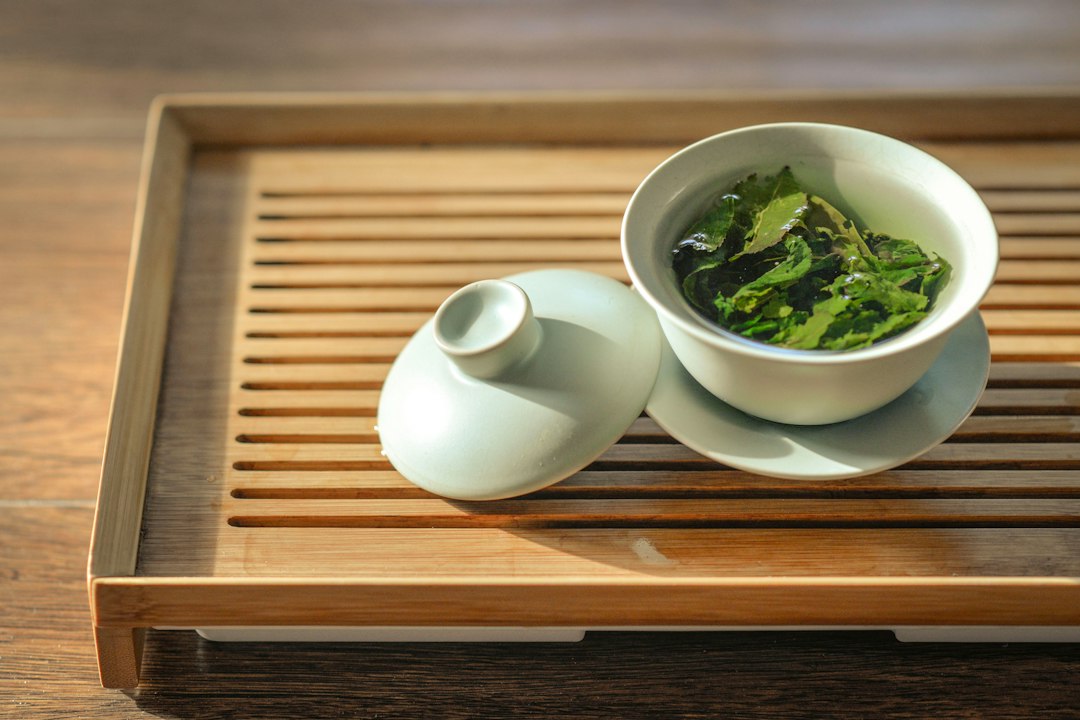
Green Tea When Pregnant

Green Tea When Pregnant A Comprehensive Guide

Green Tea When Pregnant. An overview of the safety, benefits, risks, and recommended guidelines for consuming green tea during pregnancy, including the importance of moderation and consultation with healthcare providers.

Green Tea When Pregnant 
Green Tea When Pregnant

Green Tea When Pregnant  Consumption During Pregnancy

Green Tea When Pregnant . Green tea is a popular beverage known for its antioxidants and potential health benefits, making it a common choice for many individuals. During pregnancy, women often seek clarity on whether green tea is safe and beneficial for them and their baby. Understanding the nuances of consuming green tea while pregnant is crucial for making informed decisions about their diet and lifestyle choices.

Pregnant women may wonder about the caffeine content in green tea and its effects during pregnancy. It is essential to note that green tea contains about 25mg of caffeine per cup, which is lower than coffee but still a consideration for pregnant women. Monitoring overall caffeine intake, including green tea consumption, is recommended to stay within the daily limit of 200mg, as advised by healthcare providers. By being mindful of their caffeine consumption, pregnant women can enjoy the benefits of green tea while minimizing any potential risks to themselves and their baby.

Moreover, some pregnant women may have specific health conditions that require them to consult their healthcare provider before consuming green tea. Conditions such as gestational diabetes or high blood pressure may necessitate personalized guidance on green tea intake during pregnancy. Healthcare professionals can offer tailored advice based on individual health factors, ensuring that pregnant women can make choices that align with their well-being and that of their baby. Consulting with healthcare providers can provide pregnant women with the necessary support and information to navigate the consumption of green tea safely during pregnancy.

Additionally, research by Yaffi Lvova and Nathan Fox from Verywell Family highlights that green tea can be safe during pregnancy and contribute to hydration and health benefits like reducing stress and anxiety, lowering blood pressure, and promoting heart health. Understanding these benefits can further inform pregnant women about the positive aspects of incorporating green tea into their pregnancy diet, with proper monitoring and guidance from healthcare providers.

Safety of Green Tea During Pregnancy

Green tea is generally considered safe for consumption during pregnancy when enjoyed in moderation. This means that pregnant women can incorporate green tea into their diet without significant concerns, as long as they are mindful of their overall caffeine intake. Compared to coffee, green tea contains lower levels of caffeine, making it a favorable option for expectant mothers who want to indulge in a warm, comforting drink without surpassing the recommended caffeine limits set by healthcare providers.

Moreover, understanding the importance of monitoring caffeine consumption during pregnancy can help women make informed decisions about their beverage choices. By keeping track of their green tea intake alongside other sources of caffeine, pregnant individuals can maintain a balanced and healthy approach to their diet, promoting the well-being of both themselves and their developing baby. Consulting healthcare professionals for personalized advice on caffeine limits and green tea consumption can provide pregnant women with tailored strategies to enjoy this popular beverage safely throughout their pregnancy journey.

Furthermore, a study published in a reputable journal like Healthline emphasizes the significance of limiting caffeine intake during pregnancy to less than 200 mg per day or avoiding it altogether, including green tea. This evidence-based recommendation reinforces the importance of understanding safe limits and monitoring green tea consumption to ensure the health and safety of both the pregnant woman and her baby.

Benefits of Green Tea for Pregnant Women

Green tea, rich in antioxidants like catechins and EGCG, can be a valuable addition to a pregnant woman’s diet. These antioxidants play a significant role in combating oxidative stress and inflammation, which are crucial for supporting overall health during pregnancy. For instance, catechins have been shown to have anti-inflammatory properties that may help in reducing the risk of certain pregnancy complications.

Moreover, the calming effects of green tea can contribute to managing stress and anxiety levels in expectant mothers. By incorporating green tea into their daily routine, pregnant women may find a natural way to relax and unwind, promoting a sense of well-being throughout their pregnancy journey. This stress-relieving aspect of green tea can have a positive impact on both the physical and mental health of pregnant women, potentially enhancing their overall pregnancy experience.

In addition to these benefits, a study by Wistar rats on the maternal consumption of green tea extract during pregnancy and lactation showed that green tea intake can influence offspring’s metabolism and provide various health benefits. Understanding the potential positive effects of green tea on both maternal and fetal health can further encourage pregnant women to consider incorporating this beverage into their pregnancy diet under professional guidance.

Risks Associated with Green Tea Consumption During Pregnancy

Excessive caffeine intake from green tea can lead to adverse effects during pregnancy, including miscarriages and premature birth. It’s crucial for pregnant women to be mindful of their overall caffeine consumption, as high levels can potentially impact the pregnancy. For example, caffeine can cross the placenta and reach the developing fetus, affecting their heart rate and metabolism. This underscores the importance of moderation and awareness when it comes to consuming caffeinated beverages like green tea during pregnancy.

Moreover, while green tea offers various health benefits, pregnant women should be cautious due to its caffeine content. Caffeine can alter sleep patterns, increase heart rate, and even lead to dehydration, which are factors that can influence pregnancy outcomes. Understanding the potential risks associated with green tea consumption can empower pregnant women to make informed decisions about their dietary choices. Therefore, seeking guidance from healthcare providers and discussing any concerns regarding green tea intake is advisable to ensure a healthy pregnancy for both the mother and the baby.

Furthermore, additional insights from MotherToBaby highlight the impact of green tea on folic acid absorption during pregnancy, potentially increasing the risk of neural tube defects in the baby. This information underscores the importance of being aware of the potential risks associated with green tea consumption during pregnancy and the need for pregnant women to seek professional advice to mitigate any adverse effects.

Safe Limits of Green Tea Intake During Pregnancy

When it comes to green tea consumption during pregnancy, understanding the safe limits is essential for the health of both the mother and the baby. Healthcare providers advocate for limiting caffeine intake, including that from green tea, to less than 200 mg per day during pregnancy. For instance, a typical cup of green tea contains around 25 mg of caffeine, so pregnant women should keep track of their intake to ensure they do not exceed the recommended daily limit.

Moreover, the tolerance to caffeine can vary among individuals, making it important for pregnant women to consult their healthcare provider for personalized advice on green tea consumption during pregnancy. This tailored guidance can help expectant mothers navigate their caffeine intake effectively, taking into account factors like overall health, pregnancy-specific conditions, and any other sources of caffeine in their diet. By being mindful of their green tea consumption and seeking professional input, pregnant women can enjoy the benefits of this beverage while prioritizing their well-being.

Additionally, incorporating insights from reputable sources like Healthline further reinforces the importance of moderation in green tea consumption during pregnancy to avoid potential risks associated with caffeine intake. This evidence-based approach provides pregnant women with valuable information to make informed decisions about their green tea consumption while safeguarding their health and the well-being of their developing baby.

Decaffeinated Green Tea as an Alternative

Decaffeinated green tea serves as a suitable alternative for pregnant women concerned about their caffeine intake. It retains the beneficial plant compounds found in regular green tea, such as antioxidants and polyphenols, while offering a lower caffeine content. Pregnant women who enjoy the taste and potential benefits of green tea can opt for decaffeinated versions to minimize their caffeine consumption during pregnancy.

Moreover, decaffeinated green tea can be a wise choice for pregnant women who are particularly sensitive to caffeine or those who want to avoid any potential risks associated with excessive caffeine intake. By switching to decaffeinated green tea, expecting mothers can still reap the health benefits of green tea’s antioxidants without the stimulating effects of caffeine. This can help them stay hydrated and enjoy a comforting beverage without compromising their caffeine limits recommended during pregnancy.

For instance, if a pregnant woman is looking to manage her stress levels and support her heart health through green tea consumption but is concerned about caffeine, decaffeinated green tea can offer a suitable compromise. It allows her to incorporate the goodness of green tea into her pregnancy diet without exceeding the advised caffeine intake, promoting a sense of well-being while prioritizing the health of both herself and her baby.

Incorporating findings from Verywell Family’s research on the benefits of decaffeinated green tea for pregnant women can further emphasize the positive aspects of choosing this alternative. By understanding the advantages of decaffeinated green tea and its potential contributions to maternal health during pregnancy, expectant mothers can make informed decisions about their beverage choices to support a healthy pregnancy journey.

Consultation with Healthcare Provider

Green Tea When Pregnant. Pregnant women are encouraged to consult with their healthcare provider before incorporating green tea into their pregnancy diet. These professionals play a crucial role in assessing specific health conditions and offering personalized guidance on the consumption of green tea during pregnancy. For example, if a pregnant woman has a history of pregnancy complications or certain health conditions, such as high blood pressure, diabetes, or gastrointestinal issues, her healthcare provider may recommend adjusting her green tea intake to mitigate any potential risks.

Moreover, open communication with healthcare providers can facilitate discussions about individual caffeine sensitivity and tolerance levels. For instance, some pregnant women may be more sensitive to caffeine and might need to limit their green tea consumption further to avoid adverse effects. By consulting with healthcare providers, pregnant women can navigate the nuances of green tea consumption during pregnancy while prioritizing their health and the well-being of their developing baby.

Additionally, incorporating insights from Healthline’s research on the importance of consulting with healthcare providers about green tea consumption during pregnancy reinforces the value of seeking professional guidance in making informed decisions about dietary choices. This evidence-based approach empowers pregnant women to engage in proactive discussions with healthcare professionals to ensure a safe and healthy pregnancy journey while incorporating green tea into their diet under expert supervision.

Impact of Green Tea on Folic Acid Absorption

Green tea’s catechins, particularly epigallocatechin gallate (EGCG), have been found to hinder the absorption of folic acid in the body. Folic acid is a vital B vitamin that plays a crucial role in preventing neural tube defects in infants. For instance, a study conducted by Hend T. El-Borm and Amira S. Abd El-Gaber highlighted that an excessive intake of green tea during pregnancy could potentially increase the risk of neural tube defects due to its interference with folic acid absorption. Therefore, it is imperative for pregnant women to be mindful of their green tea consumption to ensure they are meeting their folic acid requirements for a healthy pregnancy.

To illustrate, a scenario where a pregnant woman regularly consumes large amounts of green tea, exceeding the recommended limits, could inadvertently impact her folic acid levels. This could result in a higher likelihood of neural tube defects in the developing baby. However, by incorporating prenatal vitamins into her daily routine, she can effectively counteract any potential negative effects of green tea on folic acid absorption. These vitamins are specifically formulated to provide essential nutrients like folic acid, thereby compensating for any deficiencies that may arise from consuming green tea during pregnancy. By striking a balance between green tea intake and folic acid supplementation, pregnant women can better support the healthy development of their baby while still enjoying the benefits of green tea in moderation.

Furthermore, incorporating insights from MotherToBaby’s research on green tea’s impact on folic acid absorption during pregnancy can provide pregnant women with a comprehensive understanding of the potential risks and strategies to mitigate them. By being aware of how green tea consumption can affect folic acid levels and incorporating appropriate measures to address any deficiencies, expectant mothers can prioritize the health and well-being of their developing baby while enjoying the benefits of green tea in a safe and informed manner.

Recommended Guidelines for Daily Green Tea Consumption

Green Tea When Pregnant. When considering daily green tea consumption during pregnancy, it is essential for expectant mothers to adhere to recommended guidelines to safeguard their health and that of their baby. Healthcare providers advise pregnant women to aim for a green tea intake that falls within safe limits, ensuring that their total caffeine consumption remains below 200 mg per day.

Moderation plays a crucial role in determining the appropriate amount of green tea to consume while pregnant. For instance, a pregnant woman who enjoys green tea may need to adjust her intake depending on other dietary sources of caffeine. By monitoring the caffeine content in green tea and other food and beverages, she can make informed decisions to maintain a balanced and healthy diet during pregnancy. Seeking advice from healthcare professionals is paramount, as they can offer personalized recommendations tailored to individual health needs and circumstances, guiding pregnant women on establishing a suitable daily green tea intake.

Moreover, understanding the nuances of green tea consumption during pregnancy is vital to mitigate any potential risks. For example, women with certain health conditions or sensitivities may require stricter limits on caffeine intake, including that from green tea.

Green Tea When Pregnant

By consulting with healthcare providers, pregnant women can navigate the complexities of green tea consumption, ensuring a safe and healthy pregnancy journey for both themselves and their babies. Embracing a proactive approach by staying informed and seeking professional guidance empowers expectant mothers to make well-informed choices regarding their green tea consumption and overall well-being.

Green Tea When Pregnant. Additionally, incorporating evidence-based guidelines from Healthline on the importance of moderation in green tea consumption during pregnancy further emphasizes the significance of following recommended limits for a safe and healthy pregnancy journey. By integrating these guidelines into their dietary choices, pregnant women can ensure that they are prioritizing their health and well-being while enjoying the potential benefits of green tea in a responsible and informed manner.

Green Tea with Honey

Green Tea Weight LossEnhancing Wellness: The Power of Green Tea with Honey

Discover the cultural significance and rising trend of green tea with honey, explore the health benefits and nutritional value, learn how to make and brew the perfect cup, and uncover the various recipes and best times to drink it, while also considering potential risks and comparing it to other sweeteners, and exploring its sustainability and traditional medicinal uses.

Green Tea with Honey


Introduction to Green Tea with Honey

Green tea with honey holds a significant place in Asian traditions, dating back thousands of years and embodying a rich cultural heritage that emphasizes holistic well-being. The practice of combining green tea with honey has transcended generations, symbolizing a deep-rooted understanding of the health benefits inherent in these natural ingredients. This ancient tradition continues to resonate in modern times, reflecting a timeless appeal that transcends cultural boundaries. The rising trend of incorporating green tea and honey into contemporary health routines underscores the enduring popularity of this wholesome beverage.

For example, in Japan, green tea with honey is not just a beverage but a symbol of hospitality and respect. It is often served to guests as a gesture of welcome and appreciation. The intricate ceremony of preparing and presenting green tea with honey reflects the meticulous attention to detail and the reverence for tradition in Japanese culture. Similarly, in India, green tea with honey is celebrated for its dual benefits of refreshment and nourishment. The Ayurvedic principles of balancing the doshas align with the harmonizing effects of green tea and honey, making it a favored choice for holistic well-being. This blend of cultural significance and health benefits makes green tea with honey a timeless elixir that transcends mere refreshment to become a cherished ritual of self-care and vitality.

Health Benefits of Green Tea and Honey

Green tea, with its robust polyphenols that combat inflammation and support heart health, has been revered in traditional medicine for its healing properties. These polyphenols, such as epigallocatechin gallate (EGCG), play a crucial role in protecting cells from damage and promoting overall well-being. When paired with honey, which boasts antibacterial properties that aid in wound healing and soothing sore throats, green tea becomes a powerhouse of nutrition and wellness. The synergistic effects of green tea and honey extend to boosting the immune system and promoting healthy digestion, creating a dynamic duo that supports various aspects of health.

In recent studies by researchers affiliated with the NPO International Laboratory of Biochemistry in Nagoya, Japan, the combination of green tea with honey has shown promising results in managing chronic diseases. For instance, green tea’s polyphenols have been found to reduce inflammation and improve heart health, while honey’s antibacterial properties contribute to overall immune support [1]. This combined effect not only aids in managing chronic conditions but also enhances overall well-being. Additionally, the anti-inflammatory properties of green tea, when combined with the antioxidants in honey, create a potent blend that supports the body’s natural healing processes and helps in managing chronic ailments effectively. By incorporating green tea with honey into your daily routine, you can harness these health benefits and support your body’s resilience against various health challenges.

Nutritional Value of Green Tea and Honey

Green tea is not only a delightful beverage but also a nutritional powerhouse, offering vital vitamins and minerals essential for health and vitality. Rich in Vitamin C, a potent antioxidant known for its immune-boosting properties, green tea provides a natural source of this essential nutrient. Moreover, the presence of Vitamin B2 and Vitamin E in green tea contributes to energy production and cell protection, respectively. Minerals like magnesium and potassium found in green tea further enhance its nutritional profile, supporting muscle function and heart health. This array of nutrients in green tea makes it a valuable addition to a balanced diet.

On the other hand, honey is not just a sweetener but a source of beneficial compounds that protect against cell damage and chronic diseases. The flavonoids and antioxidants in honey play a crucial role in maintaining overall health and well-being. For instance, studies by Ramadasan Kuttan from the Amala Cancer Research Center in Kerala, India, have highlighted the role of honey in promoting heart health, glowing skin, and strong bones when combined with green tea. These findings underscore the nutritional synergy between green tea and honey, offering a low-calorie and nourishing alternative to sugary beverages. By incorporating green tea with honey into your diet, you not only satisfy your taste buds but also provide your body with a myriad of essential nutrients that support overall health.

Making Green Tea with Honey

The process of making green tea with honey is both an art and a science, requiring attention to detail and an understanding of flavor profiles to create the perfect cup. To enhance the health benefits and taste of your green tea with honey, it is essential to consider factors such as the brewing temperature and the type of honey used. For instance, brewing green tea at an optimal temperature of 175°F to 185°F helps preserve the antioxidants present in the tea leaves, ensuring maximum health benefits.

Moreover, the choice of honey can significantly impact the flavor and nutritional value of your green tea. Raw honey, known for its minimal processing and higher nutrient content, offers additional health benefits when combined with green tea. By stirring honey into warm—not boiling—tea, you can retain its beneficial enzymes and antioxidants, ensuring that you reap the full spectrum of health benefits. Additionally, experimenting with different types of honey, such as wildflower honey or manuka honey, can introduce unique flavors and aromas to your green tea, enhancing the overall sensory experience. By paying attention to these details and customizing your green tea with honey to your preferences, you can create a personalized beverage that not only nourishes your body but delights your taste buds.

Variations of Green Tea with Honey Recipes

Exploring different variations of green tea with honey recipes opens up a world of flavors and health benefits that cater to diverse tastes and preferences. For example, matcha green tea with honey offers a concentrated dose of antioxidants and chlorophyll, known for their detoxifying and immune-boosting properties. This vibrant green tea powder, when combined with the natural sweetness of honey, creates a refreshing and energizing beverage that can kickstart your day on a nutritious note. Moreover, the ritual of preparing matcha green tea with honey can be a meditative practice that promotes mindfulness and tranquility, enhancing the overall experience.

Another enticing variation to consider is turmeric-infused green tea with honey, which combines the anti-inflammatory properties of turmeric with the immune-boosting benefits of green tea and honey. This golden-hued beverage not only provides a warm and comforting drink but also offers a holistic approach to well-being by supporting overall health. By incorporating turmeric into your green tea with honey, you can harness the synergistic effects of these superfoods and create a drink that nurtures both body and soul. Additionally, jasmine green tea with honey presents a fragrant and aromatic option for those seeking a soothing and relaxing beverage. The delicate floral notes of jasmine tea, when sweetened with honey, offer a sensory experience that calms the mind and rejuvenates the spirit, making it an ideal choice for moments of self-care and relaxation.

Tips for Brewing the Perfect Cup

Brewing the perfect cup of green tea with honey requires attention to detail and a few key considerations to ensure a delightful and flavorful experience. When steeping green tea, timing plays a crucial role in determining the taste and aroma of the final brew. For a delicate flavor profile, opt for a shorter steeping time of 2-3 minutes, allowing the subtle nuances of the tea leaves to shine through. Conversely, a longer steeping time of up to 5 minutes can intensify the flavors and create a robust cup of green tea that pairs well with the sweetness of honey. By adjusting the steeping time based on your preferences, you can tailor your green tea with honey to suit your taste buds.

Furthermore, the quality of water used to brew green tea can significantly impact the overall taste and health benefits of the beverage. Choosing filtered water over tap water ensures that any impurities or chlorine that may alter the tea’s flavor are eliminated, allowing the natural characteristics of the tea to shine through. Additionally, adjusting the honey levels in your tea based on personal preference can help strike the perfect balance between sweetness and the tea’s natural bitterness. By experimenting with different honey varieties and quantities, you can customize your green tea with honey to create a harmonious blend that delights your palate. These simple yet effective tips can elevate your tea-drinking experience and transform a daily ritual into a moment of indulgence and wellness.

Best Times to Drink Green Tea with Honey

Determining the best times to enjoy green tea with honey can optimize the health benefits and enhance your overall well-being throughout the day. Starting your morning with a cup of green tea sweetened with honey can kickstart your metabolism and provide a gentle caffeine boost to energize your day. This morning ritual not only hydrates your body but also sets a healthy tone for your dietary choices, promoting a balanced and nutritious start to the day. By incorporating green tea with honey into your morning routine, you can infuse your day with vitality and wellness from the get-go.

As the day progresses and you find yourself in need of a pick-me-up, an afternoon cup of green tea with honey can combat midday fatigue and improve focus. The natural sweetness of honey combined with the antioxidants in green tea can provide a refreshing break that revitalizes your mind and body, helping you stay productive and alert. Moreover, the ritual of savoring green tea with honey in the afternoon can be a mindful practice that allows you to pause, recharge, and appreciate the moment. By embracing this simple yet effective routine, you can create a sense of balance and well-being in the midst of a busy day.

In the evening, winding down with a cup of decaffeinated green tea sweetened with honey can promote relaxation and aid in digestion before bedtime. This soothing blend not only calms the senses but also prepares your body for rest, ensuring a peaceful night’s sleep. By opting for decaffeinated green tea in the evening, you can enjoy the health benefits of green tea without the stimulating effects of caffeine, allowing you to unwind and destress after a long day. Incorporating green tea with honey into your evening routine can be a comforting ritual that signals the transition to rest and rejuvenation, promoting a sense of calm and well-being.

Potential Risks and Moderation of Consuming Green Tea with Honey

While green tea with honey offers a plethora of health benefits, it is essential to be mindful of potential risks and practice moderation to ensure a balanced and healthy consumption pattern. Excessive intake of green tea can lead to caffeine-related side effects, such as insomnia and anxiety, especially if consumed in large quantities. It is advisable to enjoy green tea with honey in moderation and be mindful of your caffeine sensitivity to avoid any adverse effects on your health.

In addition, individuals with allergies to honey should exercise caution when incorporating honey into their diet, as raw or unpasteurized honey can trigger allergic reactions in some individuals. Being aware of any allergic sensitivities and opting for honey varieties that are well-tolerated can help prevent adverse effects and ensure a safe consumption experience. Furthermore, moderation is key when using honey as a sweetener, as it provides a source of added sugar in your diet. By balancing the amount of honey added to your green tea and being mindful of your overall sugar intake, you can enjoy the sweet benefits of honey without exceeding recommended daily limits, promoting a healthy and balanced dietary approach. By practicing moderation and listening to your body’s cues, you can savor the health benefits of green tea with honey while maintaining a well-rounded and nourishing diet.

Green Tea with Honey vs. Other Sweeteners

Comparing green tea with honey to other sweeteners illuminates the unique advantages of this natural combination and its impact on health and well-being. In contrast to refined sugar and artificial sweeteners, honey offers a lower glycemic index, meaning it leads to a slower and more gradual increase in blood sugar levels. This gradual rise in blood sugar can help stabilize energy levels and prevent the spikes and crashes associated with high-glycemic sweeteners, making honey a favorable choice for those seeking balanced blood sugar management.

Moreover, honey stands out for its array of beneficial enzymes and antioxidants that contribute to overall health and vitality. The antimicrobial properties of honey, when combined with the antioxidant-rich green tea, create a potent blend that not only satisfies your sweet tooth but also supports your body’s natural defense mechanisms. For example, the antioxidants in honey have been shown to reduce inflammation, promote heart health, and even aid in improving brain function, showcasing the multifaceted benefits of this natural sweetener. By choosing honey as a sweetener for your green tea, you not only enhance the taste of your beverage but also elevate its nutritional profile, creating a drink that nourishes your body from within. Additionally, the sustainable energy boost provided by green tea with honey offers a wholesome alternative to sugary drinks, supporting overall health and well-being.

Sustainability of Green Tea and Honey Production

The sustainability of green tea and honey production plays a crucial role in preserving the environment and supporting ethical practices in agriculture. Green tea plantations, known for their biodiversity and minimal chemical inputs, contribute to environmental conservation by fostering healthy ecosystems and reducing the carbon footprint of tea cultivation. By cultivating green tea in biodiverse environments, farmers promote soil health, protect wildlife habitats, and maintain ecological balance, ensuring the long-term sustainability of tea production.

Similarly, beekeeping practices for honey production are essential for pollination and ecosystem health, highlighting the interconnectedness of agriculture and environmental well-being. Bees, as vital pollinators, play a pivotal role in plant reproduction and food production, making beekeeping a critical component of sustainable agriculture. By supporting fair trade initiatives and choosing organic-certified green tea and honey products, consumers can contribute to ethical and environmentally friendly practices in the industry. By prioritizing sustainability in green tea and honey production, individuals can make informed choices that not only benefit their health but also support the planet and promote responsible stewardship of natural resources.

Green Tea with Honey in Traditional Medicine

In traditional medicine systems worldwide, green tea with honey has been valued for its therapeutic properties and holistic approach to health and wellness. For example, in Ayurvedic medicine, the ancient Indian healing tradition, green tea with honey is recommended for its balancing effects on the doshas and digestive system. This harmonizing blend not only supports digestive health but also nurtures overall well-being, aligning with the holistic principles of Ayurveda that emphasize the interconnectedness of mind, body, and spirit.

In Traditional Chinese Medicine (TCM), green tea with honey is utilized to cool the body and promote detoxification, aiding in restoring balance and vitality. The cooling nature of green tea, when combined with the natural sweetness of honey, creates a harmonious blend that supports the body’s natural detox processes. Additionally, across various cultures and folk traditions, green tea with honey has been used for a range of health benefits, from soothing coughs and improving skin health to boosting energy levels and enhancing vitality. These time-honored practices underscore the enduring appeal and therapeutic value of green tea with honey, making it a cherished remedy in traditional medicine systems worldwide.

Conclusion: Embracing the Benefits of Green Tea with Honey

Green tea with honey offers a delightful and healthful way to incorporate natural ingredients into your daily routine, promoting overall well-being and vitality. By combining the antioxidant-rich properties of green tea with the antibacterial benefits of honey, you create a potent elixir that supports various aspects of health, from immune function to digestive wellness. The ritual of savoring a warm cup of green tea with honey can be a comforting and therapeutic practice that nourishes both body and soul, creating moments of tranquility and mindfulness in your day.

From the rich cultural heritage of green tea with honey in Asian traditions to the modern scientific insights into its health benefits, this dynamic blend continues to captivate and inspire individuals worldwide. By exploring the diverse variations of green tea with honey recipes, from matcha to turmeric-infused blends, you can customize your tea-drinking experience and indulge in a sensory journey of flavors and aromas.

Moreover, by understanding the best times to enjoy green tea with honey throughout the day, you can optimize its health benefits and create moments of relaxation, focus, and rejuvenation. Whether you start your day with a refreshing cup of green tea with honey or unwind in the evening with a soothing blend, incorporating this wholesome beverage into your routine can enhance your well-being and elevate your tea-drinking experience.

As you embark on your journey to embrace the benefits of green tea with honey, remember to savor each sip and appreciate the nourishment it brings to your body and spirit. By choosing sustainable and ethically produced green tea and honey, you not only support your health but also contribute to the preservation of our planet’s resources and the well-being of communities worldwide. Let the timeless tradition of green tea with honey be your companion in wellness, guiding you towards a path of balance, vitality, and harmony. Cheers to the art of tea-drinking, the sweetness of honey, and the wellness that comes from embracing nature’s gifts in a cup of green tea with honey.

Enhancing Health with Green Tea with Ginger

Green Tea Weight Loss Enhancing Health with Green Tea with Ginger: A Flavorful Blend for Wellness

Green tea with ginger offers a versatile and delicious way to improve overall health and well-being, with benefits including immune support, weight management, and relief from cold and flu symptoms.

Green Tea with Ginger


Overview of Green Tea with Ginger

Green tea with ginger is a beloved beverage known for its delightful taste and numerous health benefits. This unique combination of green tea and ginger not only offers a refreshing flavor but also provides a wealth of antioxidants and anti-inflammatory properties that can support overall well-being. For example, the potent antioxidants in green tea, combined with the anti-inflammatory compounds in ginger, create a powerhouse duo that contributes to a healthier lifestyle. The popularity of green tea with ginger has soared due to its versatility in promoting health while satisfying the palate with a warm and comforting drink.

Moreover, green tea with ginger has gained recognition for its adaptable nature, allowing individuals to customize their brew to suit their preferences and needs. Whether you prefer a stronger ginger flavor or a milder green tea taste, this blend can be adjusted to cater to varying taste profiles. Additionally, the availability of different green tea varieties and ginger types offers a wide range of options for enthusiasts to explore and enjoy. This adaptability and versatility make green tea with ginger a staple in many households, serving as a go-to beverage for both health-conscious individuals and those seeking a soothing drink to unwind.

Green Tea with Ginger

Health Benefits of Green Tea with Ginger

The health benefits of consuming green tea with ginger extend far beyond just a flavorful experience, as this blend is packed with nutrients that can positively impact various aspects of health. For instance, the immune-boosting properties of green tea and ginger help strengthen the body’s defense mechanisms, making it more resilient against common illnesses. The antioxidants present in green tea can neutralize free radicals, while ginger’s anti-inflammatory compounds aid in reducing inflammation within the body. This combination not only supports overall health but also contributes to a sense of vitality and well-being.

Furthermore, research studies have highlighted the potential of green tea with ginger in aiding weight management efforts. The catechins in green tea, when combined with gingerol from ginger, have been shown to enhance metabolism and promote fat burning. For individuals looking to maintain a healthy weight or support their weight loss journey, incorporating green tea with ginger into their daily routine can be a beneficial strategy. This blend offers a natural and effective way to boost calorie expenditure and assist in achieving weight management goals, making it a popular choice among health-conscious individuals.

How to Prepare Ginger Green Tea

Making ginger green tea at home is a simple and rewarding process that allows individuals to enjoy a fresh and flavorful brew tailored to their preferences. By using fresh ginger root and high-quality green tea leaves, enthusiasts can elevate the taste and health benefits of their tea. The process of preparing ginger green tea involves infusing the robust flavor of ginger with the delicate notes of green tea, creating a harmonious blend that tantalizes the senses. This homemade concoction not only provides a soothing and aromatic experience but also ensures that individuals reap the maximum nutritional benefits from the ingredients.

Additionally, experimenting with different brewing techniques and infusion times can help individuals customize their ginger green tea to achieve their desired strength and flavor profile. Some may prefer a longer steeping time for a more intense ginger taste, while others may opt for a shorter infusion period to enjoy the subtle nuances of green tea. Moreover, the option to enhance the tea with a touch of honey or a squeeze of lemon adds a delightful twist to the beverage, creating a refreshing and invigorating drink that can be enjoyed at any time of the day. By exploring various preparation methods and ingredients, individuals can discover their perfect cup of ginger green tea that caters to their taste preferences and wellness goals.

Potential Side Effects of Ginger Green Tea Consumption

While green tea with ginger offers a plethora of health benefits, it is essential to be mindful of potential side effects that may arise from excessive consumption. For instance, some individuals may experience digestive issues when consuming large amounts of ginger green tea, as ginger can be potent on the stomach. It is recommended to moderate intake and pay attention to how the body responds to the blend to avoid any discomfort or gastrointestinal disturbances. Additionally, pregnant women are advised to consult with a healthcare provider before consuming significant quantities of ginger, as it may have implications for pregnancy. By being aware of these potential side effects and consuming ginger green tea in moderation, individuals can enjoy the benefits of this beverage while minimizing any adverse reactions.

Moreover, the caffeine content in green tea is another factor to consider when incorporating ginger green tea into one’s daily routine. While moderate caffeine intake is generally safe for most individuals, excessive consumption of green tea with ginger, especially in the evening, may lead to difficulties in falling asleep or disrupted sleep patterns. It is recommended to be mindful of the timing and quantity of ginger green tea consumed to avoid any interference with sleep quality. By being conscious of these side effects and adjusting consumption accordingly, individuals can fully appreciate the health benefits of ginger green tea while maintaining a balanced and healthy lifestyle.

Tips for Brewing the Perfect Cup of Green Tea with Ginger

Brewing the perfect cup of green tea with ginger involves attention to detail and a few key considerations to ensure a delightful and satisfying tea-drinking experience. One essential tip is to opt for organic green tea and fresh ginger to guarantee a clean and natural brew that is free from pesticides and harmful chemicals. By selecting high-quality ingredients, individuals can enjoy a more flavorful and nutritious tea that retains the full benefits of green tea and ginger. For example, organic green tea sourced from reputable farms ensures that the tea leaves are grown and harvested in an environmentally sustainable manner, preserving their freshness and potency.

Furthermore, controlling the water temperature during the brewing process is crucial for extracting the optimal flavors and nutrients from green tea with ginger. Different varieties of green tea may require specific water temperatures to achieve the desired taste profile, with some teas benefiting from lower temperatures to prevent bitterness. By adjusting the water temperature based on the type of green tea being used, individuals can customize their brew to highlight the unique characteristics and nuances of the tea leaves. Additionally, experimenting with different brewing times allows individuals to discover their preferred strength and aroma, creating a personalized tea-drinking experience that caters to individual taste preferences.

Moreover, proper storage of green tea with ginger is essential for maintaining its freshness and flavor over time. To preserve the quality of the tea leaves, it is recommended to store them in a cool, dark place away from sunlight and moisture, which can compromise the taste and nutritional content of the tea. By storing green tea in airtight containers or resealable bags, individuals can protect the tea from exposure to air and humidity, ensuring that each cup brewed is as aromatic and flavorful as the first. By following these tips for brewing the perfect cup of green tea with ginger, individuals can elevate their tea-drinking experience and fully enjoy the benefits of this nourishing and invigorating blend.

Green Tea with Ginger and Weight Management

The combination of green tea and ginger has been associated with potential benefits for weight management and metabolic health. Studies have shown that the catechins in green tea, combined with the bioactive compound gingerol found in ginger, can help boost metabolism and increase calorie expenditure. This metabolic boost from green tea and ginger may aid in fat burning and weight loss, making it a valuable addition to a balanced diet and active lifestyle. For individuals looking to support their weight management goals, incorporating green tea with ginger into their daily routine can be a beneficial strategy to enhance overall health and well-being.

Additionally, research has highlighted the synergistic effects of green tea, cinnamon, and ginger in lowering postprandial blood glucose levels, indicating potential benefits for metabolic health. The combination of these herbs showed a significant lowering effect on blood glucose compared to individual herbs, suggesting a positive impact on glycemic control. Furthermore, the Glycemic Index (GI) values of green tea, cinnamon, and ginger, when combined, were lower than when consumed individually, demonstrating the potential synergism from the active ingredients of the blended herbs. By harnessing the metabolic benefits of green tea with ginger, individuals can support their weight management efforts and promote overall metabolic wellness.

Benefits for Skin and Hair

In addition to its internal health benefits, green tea with ginger offers advantages for skin and hair health when incorporated into a regular wellness routine. The antioxidants present in green tea and ginger play a crucial role in combating free radicals, which can contribute to premature aging and skin damage. For example, the anti-inflammatory properties of green tea can help reduce acne and improve skin complexion, while ginger’s protective effects may aid in maintaining skin elasticity and firmness. By regularly consuming green tea with ginger, individuals can nourish their skin from within and achieve a radiant and healthy complexion.

Moreover, the benefits of green tea with ginger extend to hair health, as the blend provides nutrients and compounds that support strong and vibrant hair. The catechins in green tea have been shown to stimulate hair follicles and promote hair growth, while the stimulating properties of ginger can improve circulation to the scalp, ensuring that hair follicles receive essential nutrients for optimal growth. By incorporating green tea with ginger into their routine, individuals can fortify their hair from root to tip, enhancing its strength and vitality. Whether consumed as a beverage or used topically in hair products, green tea with ginger offers a holistic approach to maintaining healthy and beautiful hair.

Using Ginger Green Tea for Cold and Flu Relief

During cold and flu season, ginger green tea serves as a soothing and comforting remedy for alleviating symptoms and promoting recovery. The combination of ginger and green tea provides a natural source of antioxidants and anti-inflammatory compounds that can help combat common cold and flu discomforts. For instance, the antimicrobial properties of gingerol in ginger can assist in fighting infections and boosting the immune system, while the warmth of green tea provides a comforting and healing experience. By enjoying a cup of ginger green tea when feeling under the weather, individuals can benefit from its immune-boosting effects and soothing qualities to ease symptoms and promote a sense of well-being.

Furthermore, the addition of honey to ginger green tea enhances its therapeutic properties, providing additional relief for sore throats and congestion. Honey’s antimicrobial properties can help soothe a scratchy throat and reduce coughing, making it a valuable ingredient in cold and flu remedies. By combining the natural sweetness of honey with the warmth of ginger green tea, individuals can create a soothing elixir that not only tastes delicious but also supports respiratory health and comfort during illness. Whether consumed hot or cold, ginger green tea offers a versatile and effective solution for managing cold and flu symptoms naturally.

Digestive Benefits of Green Tea with Ginger

Beyond its immune-boosting and weight management properties, green tea with ginger is renowned for its digestive benefits and ability to promote gut health. Ginger, a well-known digestive aid, has been used for centuries to alleviate nausea, indigestion, and gastrointestinal discomfort. By combining ginger with green tea, individuals can benefit from the digestion-promoting properties of green tea catechins and the soothing effects of gingerol. This dynamic duo helps support overall digestive health and can provide relief from common digestive issues when consumed regularly.

Moreover, ginger green tea can be particularly beneficial for individuals experiencing indigestion, bloating, or gastrointestinal distress after meals. The anti-inflammatory properties of ginger help relax the gastrointestinal muscles and promote the release of digestive enzymes, aiding in the digestion process and reducing discomfort. Additionally, the catechins in green tea support gut health by promoting the growth of beneficial gut bacteria and improving overall digestion. By incorporating green tea with ginger into their daily routine, individuals can enjoy a soothing and effective remedy for digestive woes, ensuring that their digestive system remains balanced and healthy.

Furthermore, ginger green tea can serve as a natural remedy for nausea and motion sickness, offering a gentle and soothing solution for individuals prone to these discomforts. The calming effects of ginger combined with the digestive support of green tea create a harmonious blend that can help alleviate queasiness and promote gastrointestinal comfort. Whether enjoyed as a warm cup of tea after a heavy meal or sipped throughout the day to ease digestive discomfort, green tea with ginger provides a flavorful and beneficial option for individuals seeking to support their digestive health in a natural and holistic manner.

Conclusion: Embracing the Benefits of Green Tea with Ginger in Your Lifestyle

Incorporating green tea with ginger into your daily routine is a simple yet effective way to enhance your overall health and well-being. This versatile blend offers a wealth of benefits, from immune support and weight management to skin and hair health, making it a valuable addition to a balanced lifestyle. By savoring a cup of green tea with ginger regularly, you can nourish your body with essential nutrients and antioxidants that promote vitality and longevity. Whether enjoyed alone or with added ingredients like honey or lemon, ginger green tea provides a delicious and satisfying beverage that can be tailored to your taste preferences and wellness goals.

Moreover, the adaptability and versatility of green tea with ginger make it a convenient and enjoyable option for individuals looking to prioritize their health and indulge in a flavorful drink. By following tips for brewing the perfect cup, individuals can elevate their tea-drinking experience and fully appreciate the rich flavors and aromas of green tea and ginger.

Whether seeking digestive relief, immune support, or a comforting remedy for cold and flu symptoms, green tea with ginger offers a holistic approach to wellness that caters to a variety of health needs. Therefore, by embracing the benefits of green tea with ginger in your lifestyle, you are not only treating yourself to a delightful beverage but also nurturing your body and mind with a blend that supports your journey to optimal health and vitality.

Refreshing Health Benefits: Exploring Green Tea with Mint

Green Tea Weight LossRefreshing Health Benefits: Exploring Green Tea with Mint

Green tea with mint is a popular herbal blend known for its refreshing taste and potential health benefits.

Health Benefits Of Green Tea with Mint
Green Tea with Mint

Overview of Green Tea with Mint

Green tea with mint is a delightful and healthful herbal blend that has gained popularity for its refreshing taste and potential benefits. The combination of green tea and mint creates a unique flavor profile that appeals to a wide audience, making it a versatile beverage choice suitable for various occasions. For example, Teapigs’ Marrakesh Mint Tea skillfully blends Chunmee green tea with peppermint leaves, offering a traditional Moroccan experience with a delicate taste. The infusion of mint into green tea not only enhances the flavor but also contributes to the overall aroma and experience of the beverage.

In addition to its delicious taste, green tea with mint offers a range of potential health benefits that make it a popular choice among tea enthusiasts. The antioxidants present in green tea, such as catechins and EGCG, play a crucial role in fighting free radicals in the body and supporting overall well-being. Regular consumption of mint green tea may help reduce inflammation, boost immune function, and promote digestive health. By incorporating this herbal blend into your daily routine, you can enjoy a flavorful and healthful beverage that caters to both your taste buds and your well-being.

Furthermore, the versatility of mint green tea extends to serving options, as it can be enjoyed either hot or cold depending on personal preferences. Ahmad Tea’s Mint Mystique green tea blend, which combines mint leaves with green tea sourced from China’s Golden Triangle, offers a unique and refreshing taste experience suitable for various serving styles. Whether you prefer a warm cup of mint green tea to unwind after a long day or a chilled glass over ice during the summer months, this herbal blend provides a delightful and invigorating choice for tea lovers looking to explore new flavors and healthful benefits.

Health Benefits of Green Tea with Mint

The health benefits of green tea with mint are as abundant as its refreshing taste. Apart from being a flavorful beverage, mint green tea contains catechins and EGCG, powerful antioxidants that help combat free radicals in the body. These antioxidants play a crucial role in protecting cells from damage, reducing inflammation, and potentially lowering the risk of chronic diseases. An example of a mint green tea blend rich in antioxidants is Twinings’ Green Tea with Mint, which blends the finest green teas with the right amount of flavor for a refreshing and healthful drink.

Moreover, the combination of green tea and mint is known to aid in digestion and improve gut health. Mint, with its digestive properties, can help soothe the stomach and alleviate symptoms of indigestion when paired with the calming effects of green tea. Regular consumption of mint green tea may contribute to a healthy digestive system and support overall gastrointestinal well-being. For example, Bigelow’s Green Tea with Mint stands out for its soothing taste profile and high-quality ingredients sourced from American farms, making it a reliable choice for those seeking digestive support and a flavorful beverage.

Additionally, the anti-inflammatory properties of mint green tea can further promote immune function and overall wellness. By incorporating this herbal blend into your daily routine, you not only enjoy a delightful beverage but also boost your antioxidant intake and potentially reduce inflammation in the body. Mint green tea offers a holistic approach to health and well-being, making it a valuable addition to a balanced diet and lifestyle.

Nutritional Value and Composition of Green Tea with Mint

When it comes to the nutritional value of green tea with mint, this herbal blend offers a range of health benefits that go beyond just hydration. Mint green tea is low in calories and sugar, making it a healthier alternative to sugary beverages, while providing a natural source of caffeine for a gentle energy boost without the jitters. Teapigs’ green tea with mint, for instance, offers a delicate green tea base that avoids excessive sweetness, providing a refreshing and healthful drink with only 3 calories per cup.

Furthermore, the mint leaves infused in green tea not only enhance its flavor and aroma but also bring additional nutrients to the table. Mint leaves are rich in essential vitamins like vitamin A and minerals such as iron, contributing to overall health and well-being. By enjoying mint green tea, you not only quench your thirst but also introduce vital nutrients into your diet in a flavorful and enjoyable way. The inclusion of mint leaves in green tea adds depth to the beverage’s taste profile while providing additional health benefits, making it a smart choice for those looking to maintain a balanced and nutritious diet.

In addition to being a tasty and hydrating drink, green tea with mint serves as a nutritional powerhouse, offering a delightful blend of flavors along with a wealth of essential nutrients that contribute to a balanced and healthy diet. So, whether you’re looking to stay hydrated, enjoy a moment of relaxation, or simply reap the benefits of a nutrient-rich beverage, green tea with mint is an excellent choice that caters to both your taste buds and your well-being.

Brewing Techniques for Green Tea with Mint

Brewing the perfect cup of green tea with mint involves a delicate balance of temperature and timing to extract the full flavor profile of the ingredients. To start, bring the water to a gentle boil, then allow it to cool for a few minutes until it reaches around 175°F. This temperature is ideal for green tea as it prevents the leaves from burning and releasing a bitter taste, ensuring a smooth and refreshing brew. Twinings creates great-tasting green teas with fresh flavor, smooth taste, and enticing aroma by blending the finest green teas with the right amount of flavor, providing a delightful drinking experience.

Once the water temperature is just right, add the green tea and mint leaves to your infuser or teapot. Let the tea steep for about 2-3 minutes to capture the minty freshness and antioxidant properties. For a stronger flavor, you can steep the tea for a bit longer, but be cautious not to overbrew as it might result in a bitter taste. Adding a touch of honey or a slice of lemon can complement the minty notes and enhance the overall taste experience of your green tea with mint. Teapigs’ green tea with mint offers brewing instructions and health benefits, allowing tea enthusiasts to enjoy a flavorful and healthful drink with ease.

Using filtered water for brewing is key to avoid any unwanted flavors that might interfere with the mint and green tea combination. The purity of the water will allow the true essence of the ingredients to shine through, providing a clean and crisp finish to your cup of mint green tea. By following these brewing techniques, you can savor the refreshing taste and health benefits of green tea with mint in every sip, making it a delightful addition to your daily routine. Ahmad Tea emphasizes the importance of quality water, specific temperature, and infusion time for optimal taste in their Mint Mystique green tea blend, ensuring a refreshing and aromatic tea experience.

Varieties and Flavors of Mint Green Tea

The world of mint green tea is filled with a variety of flavors and blends that cater to diverse palates and preferences. Some mint green teas blend spearmint and peppermint for a balanced and refreshing flavor profile, offering a harmonious combination of cooling minty notes. Moroccan mint green tea, a traditional blend that combines green tea with fresh mint leaves, provides a unique and invigorating taste experience that pays homage to North African tea traditions. This blend captures the essence of mint and green tea, creating a delightful fusion of flavors that is both aromatic and soothing.

Moreover, mint green teas with added citrus or floral notes offer a twist on the classic mint flavor, introducing a burst of freshness and complexity to the beverage. These variations infuse the mint green tea with hints of citrusy zest or floral aromas, elevating the drinking experience to new heights. Teapigs’ green tea with mint not only offers a delicate and refreshing green tea base but also provides a variety of green tea products and gifts for tea enthusiasts looking to explore different flavor profiles and blends. By experimenting with different varieties and flavors of mint green tea, you can discover new and exciting ways to enjoy this healthful and aromatic beverage.

Tips for Serving and Enjoying Green Tea with Mint

Serving and enjoying green tea with mint is a delightful experience that can be enhanced by various creative and indulgent methods. One delightful way to elevate your mint green tea experience is by adding a splash of freshly squeezed lemon juice to brighten the flavors and provide a citrusy twist. The combination of mint, green tea, and lemon creates a harmonious blend of refreshing and zesty notes, perfect for a rejuvenating beverage any time of the day. Ahmad Tea’s Mint Mystique blend, for example, offers a refreshing taste experience that can be further enhanced by sweetening the tea with sugar or honey for those with a sweet tooth.

For those looking to indulge in a more decadent treat, consider making mint green tea lattes by frothing up some warm milk and adding it to a strong brew of green tea with mint. The creamy texture of the milk complements the herbal freshness of the mint, resulting in a velvety and comforting drink. You can sprinkle a pinch of cinnamon or nutmeg on top for an extra layer of flavor and a cozy aroma, ideal for a cozy evening unwinding at home. By exploring different serving styles and flavor combinations, you can tailor your mint green tea experience to suit your preferences and create moments of indulgence and relaxation.

Moreover, if you’re feeling a bit adventurous, try incorporating mint green tea into your culinary creations. Use brewed mint green tea as a base for a refreshing vinaigrette to drizzle over salads, or infuse it into a sorbet for a cooling and herbaceous dessert. The versatility of mint green tea extends beyond just a soothing drink, offering a myriad of innovative ways to enjoy its unique flavor profile and reap its health benefits in various culinary applications. Teapigs’ green tea with mint provides information on brewing green tea and its health benefits, allowing tea lovers to explore creative and delicious ways to incorporate mint green tea into their culinary adventures.

Top Mint Green Tea Brands to Explore

Exploring top mint green tea brands can open up a world of delightful and high-quality tea experiences for enthusiasts and newcomers alike. Teapigs’ Marrakesh Mint Tea is a popular choice known for its delicate green tea base and refreshing mint flavor, offering a traditional Moroccan tea experience in every cup. This blend has won a 1-star 2020 Great Taste Award, showcasing its exceptional quality and taste. Ahmad Tea’s Mint Mystique blend, on the other hand, provides a unique and refreshing taste experience with mint leaves sourced from China’s Golden Triangle, ensuring a fresh and invigorating tea blend for tea connoisseurs.

Furthermore, Bigelow’s Green Tea with Mint stands out for its soothing taste profile and high-quality ingredients sourced from American farms. The tea bags are individually wrapped in foil pouches to maintain flavor and freshness, with ingredients carefully selected to ensure a delightful and healthful tea-drinking experience. Bigelow’s commitment to quality ingredients and sustainable practices reflects in their partnership with mint farmers for over 30 years, ensuring that their mint green tea offers a premium and authentic taste experience. By exploring these top mint green tea brands, you can discover new and exciting flavors while enjoying the healthful benefits of green tea infused with refreshing mint.

Potential Side Effects and Considerations of Mint Green Tea

While mint green tea offers a myriad of health benefits, it is essential to be aware of potential side effects and considerations associated with its consumption. Excessive intake of mint green tea may sometimes lead to digestive issues like acid reflux or bloating, especially in individuals who are sensitive to mint. The menthol content in mint can trigger acid reflux symptoms in some people when consumed in large quantities, highlighting the importance of moderation when enjoying mint green tea. By being mindful of your consumption and listening to your body’s responses, you can enjoy the benefits of mint green tea without experiencing any discomfort.

Moreover, individuals with allergies to mint should exercise caution when consuming mint green tea. Allergic reactions to mint can range from mild symptoms like itchiness or hives to more severe responses such as difficulty breathing or swelling. Twinings’ Green Tea with Mint, for instance, is carefully blended to provide a refreshing cup with cool mint leaves and a smooth tea finish, catering to tea enthusiasts looking for a soothing and flavorful beverage without the risk of allergens. It is crucial for individuals with mint allergies to read product labels carefully and consult allergists or healthcare providers before incorporating mint green tea into their diet to avoid any adverse reactions.

Additionally, pregnant women should take certain considerations into account before incorporating mint green tea into their daily routine. While mint tea is generally safe for consumption during pregnancy, it is advisable to seek guidance from healthcare providers before consuming it regularly. Ahmad Tea’s Mint Mystique provides detailed information on preparation tips and caffeine levels, ensuring a safe and enjoyable tea-drinking experience for individuals with specific dietary requirements or health conditions. By consulting with healthcare providers, pregnant women can enjoy mint green tea safely and responsibly, ensuring the well-being of themselves and their baby while reaping the benefits of this healthful herbal blend.

The Fusion of Green Tea and Milk

Embracing Harmony: The Fusion of Green Tea and Milk

Green Tea and Milk. A brief exploration of the cultural significance and health benefits of green tea with milk, including its origins, variations, and brewing techniques.

Green Tea and Milk
Green Tea and Milk

Green Tea Weight Loss

Introduction to Green Tea with Milk

Green tea and milk is a delightful fusion beverage that has gained popularity in various parts of the world. The combination of tea and milk has a long history in different cultures, with green tea with milk emerging as a modern twist on this traditional pairing. This unique beverage has captured the interest of many, driven by a health-conscious trend that values the blend of antioxidants, amino acids, and nutrients found in both green tea and milk.

The emergence of green tea with milk as a contemporary favorite is a testament to the evolving culinary landscape and the fusion of global food cultures. While the traditional methods of consuming tea and milk vary across regions, the adaptation of green tea with milk and sugar in different culinary creations showcases the versatility and creativity of modern beverage trends.

Origin and Evolution of Green Tea with Milk

Green tea with milk originated in regions where both tea and dairy products were abundant, leading to the natural combination of these ingredients in beverages. Over time, recipes for green tea with milk have evolved to cater to diverse taste preferences and dietary requirements. The influence of globalized food culture has further propelled the popularity of green tea with milk, with various adaptations and interpretations found in cafes and tea houses worldwide.

The modern evolution of green tea with milk reflects not only a fusion of flavors but also a blending of cultural traditions. From Indian masala chai to Japanese matcha latte, different cultural interpretations of green tea with milk highlight the rich tapestry of culinary practices that have contributed to this beloved beverage.

Health Benefits and Concerns of Combining Green Tea with Milk

Green tea with milk offers a unique blend of antioxidants, amino acids, and nutrients that are beneficial for overall health. However, there are concerns regarding the potential interaction between milk proteins and catechins, the beneficial compounds in green tea. Some studies suggest that milk proteins may inhibit the thermogenic properties of green tea, affecting energy expenditure and metabolic processes.

Despite these concerns, the combination of green tea with milk still provides valuable components such as tannins, gallic acid, and caffeine. Choosing alternative milk options like soy milk and selecting high-quality green teas such as matcha can help mitigate any potential decrease in catechin benefits. While the interaction between green tea and milk may alter the absorption of certain compounds, the overall health benefits of this fusion beverage remain significant.

Popular Variations and Cultural Significance of Green Tea with Milk

Different cultural interpretations of green tea with milk, such as Indian masala chai and Japanese matcha latte, showcase the versatility and adaptability of this fusion beverage. The increasing popularity of green tea with milk-based beverages in cafes and tea houses worldwide reflects the global appreciation for this delightful combination. Unique recipes incorporating green tea with milk in desserts, smoothies, and savory dishes offer a creative twist on traditional favorites.

Recipe and Brewing Techniques for Green Tea with Milk

To brew the perfect green tea with milk, start by selecting high-quality green tea and milk that complement each other’s flavors. A step-by-step guide can help achieve the ideal balance of tea strength and creaminess. Consider experimenting with alternative sweeteners and flavor enhancers to customize the beverage according to personal preferences. Whether enjoying a classic matcha latte or exploring innovative recipes, the versatility of green tea with milk offers endless possibilities for delicious creations.

Conclusion: Embracing the Fusion of Green Tea and Milk

In conclusion, the fusion of green tea and milk represents a harmonious blend of flavors, cultures, and health benefits. Embracing the diversity of cultural interpretations and culinary innovations surrounding green tea with milk invites individuals to explore and appreciate this delightful beverage. By experimenting with different variations and recipes, readers can discover the rich history and modern interpretations of green tea with milk, making it a truly enjoyable and versatile fusion beverage.

 Green Tea and Lemon Health Benefits

Green Tea Weight Loss Green Tea and Lemon: Health Benefits, Recipes, and Culinary Delights

Green Tea and Lemon. Discover the diverse health benefits of consuming green tea and lemon, including weight management, improved heart health, brain function, preventative benefits against kidney stones and cancer, and hydration, as well as explore various recipes and culinary uses for this refreshing combination.

 Green Tea and Lemon Health Benefits
Green Tea and Lemon Health Benefits


Overview of Green Tea and Lemon Combination

Green tea and lemon are a dynamic duo renowned for their health benefits and refreshing taste. When combined, they create a powerhouse of antioxidants that protect against chronic conditions. For example, the catechins in green tea and the vitamin C in lemons work together to combat inflammation and promote overall well-being. This combination is not only flavorful but also offers a range of advantages, from aiding in weight loss to supporting heart health [5].

Moreover, the versatility of green tea and lemon allows for various culinary creations beyond beverages. From green tea-infused desserts to lemon-marinated dishes, the possibilities are endless. For instance, a green tea and lemon salad dressing can add a zesty kick to your greens while providing a dose of antioxidants. By incorporating this duo into your daily routine, you can enjoy a holistic approach to health that encompasses both nutritional benefits and culinary delights.

Green tea and lemon are not just a trendy pairing; they are a powerhouse of health benefits that can enhance your well-being in numerous ways. By understanding the unique contributions of each ingredient and how they complement each other, you can unlock a world of possibilities for a healthier and more flavorful lifestyle.

The Health Benefits of Consuming Green Tea and Lemon

When it comes to health benefits, green tea and lemon offer a wide array of advantages that cater to both physical and mental well-being. The antioxidants present in green tea and lemons work synergistically to protect the body against chronic conditions and diseases. This potent combination not only aids in weight loss by boosting metabolism and enhancing fat burning but also supports heart health and boosts immunity.

Furthermore, incorporating green tea with lemon into your daily routine can have profound effects on your overall health. For example, the cancer-fighting properties found in green tea and lemons can help reduce the growth of cancer cells, highlighting the potential preventive aspects of this blend. Additionally, the consumption of green tea and lemons has been associated with a lower risk of type 2 diabetes and insulin resistance, making it a valuable choice for those looking to maintain metabolic health.

Research studies have shown that the antioxidants in green tea and lemons play a vital role in reducing body weight and fat accumulation. By combating oxidative stress and inflammation in the body, these antioxidants contribute to improved weight management and overall health. By incorporating green tea and lemon into your diet, you can enjoy a flavorful and beneficial way to support your weight loss goals while nourishing your body with essential nutrients.

Enhanced Antioxidant Levels and Absorption with Citrus Juices

When it comes to boosting antioxidant levels, citrus juices like lemon play a crucial role in enhancing the benefits of green tea. Research indicates that the addition of lemon juice to green tea can significantly increase its antioxidant capacity by up to five to ten times. This enhancement is particularly noteworthy as antioxidants play a key role in protecting the body from oxidative stress and chronic diseases. For instance, the catechins in green tea, which are potent antioxidants, are better absorbed in the presence of lemon juice, potentially leading to improved health outcomes.

Moreover, the synergistic effects of citrus juices extend beyond lemons, with fruits like oranges and limes also contributing to elevating the antioxidant properties of green tea. By incorporating a variety of citrus juices into your green tea routine, you can enjoy a spectrum of flavors while reaping the benefits of enhanced antioxidant levels. This diversity in citrus options allows individuals to customize their green tea experience based on personal preferences, all while promoting greater antioxidant absorption and overall well-being.

Additionally, other dairy and plant-based milk alternatives have been found to have moderate stabilizing effects on green tea catechins. While citrus juices like lemon enhance antioxidant levels in green tea, these milk alternatives can also play a role in supporting the stability of catechins during digestion. By exploring different combinations of green tea with citrus juices and milk alternatives, individuals can tailor their beverage choices to suit their tastes and health preferences, creating a personalized approach to wellness.

 Green Tea and Lemon Health Benefits
Green Tea and Lemon Health Benefits

Impact of Green Tea and Lemon Combination on Chronic Diseases

The combined benefits of green tea and lemon can have a significant impact on reducing the risk of chronic diseases. By enhancing the absorption of catechins in green tea, lemon juice contributes to a decreased risk of various health conditions. Additionally, the consumption of green tea and lemons has been linked to improvements in heart health, a reduction in risk factors associated with heart disease, and the maintenance of kidney health.

For example, the antioxidant properties of green tea and lemons play a crucial role in supporting kidney health and preventing the formation of kidney stones. The combination of these two ingredients can aid in reducing the risk of kidney stone development and promoting overall kidney function. By incorporating green tea with lemon into your daily routine, you are not only enjoying a flavorful beverage but also fortifying your body against the risks of chronic diseases and supporting your long-term health.

Studies have shown that lemon juice can significantly enhance the health benefits of green tea by increasing the absorption of catechins, which are powerful antioxidants linked to various health benefits. This combination has the potential to reduce the risk of chronic diseases and improve overall health outcomes by harnessing the synergistic effects of green tea and lemon. By incorporating these ingredients into your diet, you can take proactive steps towards preventing chronic conditions and promoting a healthier lifestyle.

Weight Management Benefits of Green Tea and Lemon

Green tea and lemon are popular choices for individuals seeking to manage their weight effectively. The combination of these two ingredients offers a natural way to support weight loss by promoting metabolism and enhancing fat burning processes. For instance, green tea contains catechins that have been found to increase thermogenesis, the body’s production of heat through burning calories. On the other hand, lemons are a good source of vitamin C, which aids in the metabolism of fats.

Furthermore, the antioxidants present in green tea and lemons play a crucial role in weight management. These antioxidants help in reducing body weight and fat accumulation by combating oxidative stress and inflammation in the body. By incorporating green tea with lemon into a balanced diet and active lifestyle, individuals can potentially experience enhanced weight loss results. Additionally, the hydration benefits of green tea lemonade can support overall well-being, making it an excellent choice for those focusing on their weight and health.

Research has shown that the antioxidants in green tea and lemons contribute to weight loss by increasing metabolism and promoting fat burning. By incorporating these ingredients into your daily routine, you can enjoy a flavorful way to support your weight management goals while reaping the benefits of their antioxidant properties. Whether you prefer a hot cup of green tea with lemon in the morning or a refreshing glass of iced green tea lemonade in the afternoon, this combination can be a valuable addition to your weight loss journey.

 Green Tea and Lemon Health Benefits
Green Tea and Lemon Health Benefits

Brain Health and Cognitive Function with Green Tea and Lemon

In addition to their physical health benefits, green tea and lemon can also positively impact brain health and cognitive function. Green tea has been associated with a reduced risk of developing dementia and Alzheimer’s disease due to its neuroprotective properties. On the other hand, lemons, rich in vitamin C, play a crucial role in supporting brain function and cognitive health, aiding in tasks that require mental clarity and focus.

Moreover, the synergistic effect of combining green tea and lemon can further enhance brain health by improving memory retention, increasing concentration levels, and supporting overall cognitive function. For instance, the antioxidants present in green tea can help protect brain cells from damage and degeneration, while the vitamin C in lemons promotes neurotransmitter function, contributing to better cognitive performance and mental acuity. By incorporating green tea with lemon into your daily routine, you can not only enjoy a refreshing beverage but also boost your brain health and cognitive abilities.

Studies have shown that the combination of green tea and lemon can have positive effects on brain health and cognitive function. Green tea has been linked to a lower risk of dementia and Alzheimer’s disease, while lemons are known for their cognitive-boosting properties. By enjoying a daily dose of green tea with lemon, you can support your brain health and cognitive function, potentially enhancing memory, concentration levels, and overall mental acuity. Whether you prefer a warm cup of green tea with lemon in the morning or a chilled glass of green tea lemonade in the afternoon, this combination can be a delicious and beneficial addition to your daily routine.

 Green Tea and Lemon Health Benefits
Green Tea and Lemon Health Benefits

Preventative Benefits Against Kidney Stones and Cancer

Regularly incorporating green tea and lemon into your daily routine can offer significant preventative benefits against kidney stones and cancer. By consuming this combination, you are effectively harnessing the potent antioxidant properties found in both green tea and lemons. These antioxidants play a vital role in inhibiting the formation of kidney stones and reducing the proliferation of cancer cells in the body. For instance, the catechins in green tea and the vitamin C in lemons work synergistically to combat oxidative stress, a contributing factor to the development of kidney stones and cancer.

Moreover, the polyphenols present in green tea, along with the flavonoids in lemons, contribute to the overall cancer preventive effects of this combination. These compounds have been studied for their potential to suppress the growth of cancer cells and reduce the risk of various types of cancers. By enjoying a refreshing glass of green tea with a squeeze of lemon, you are not only hydrating your body but also fortifying it with natural elements that support your health in multifaceted ways. Embracing this simple yet powerful habit can be a proactive step towards maintaining your well-being and reducing the risks associated with kidney stones and cancer.

Research studies have shown that green tea with lemon may help prevent the formation of kidney stones and reduce the risk of kidney stone development. The antioxidant properties of green tea and lemons play a crucial role in inhibiting the growth of kidney stones, supporting kidney health, and reducing the risk of stone formation. Additionally, the cancer-fighting properties of these ingredients contribute to overall cancer prevention by reducing the proliferation of cancer cells and protecting against oxidative damage. By incorporating green tea with lemon into your daily routine, you can enjoy a flavorful way to support your kidney health and potentially reduce the risk of developing kidney stones and cancer.

Hydration and Overall Health Benefits of Green Tea and Lemon

When it comes to hydration and overall health benefits, green tea with lemon is a winning combination. By including this duo in your daily routine, you can significantly contribute to staying hydrated throughout the day. Not only does it quench your thirst, but it also offers a myriad of health benefits that support your well-being. For instance, the added lemon not only enhances the flavor but also provides a vitamin C boost, aiding in immunity and skin health.

Moreover, the hydration aspect of green tea with lemon is not just about water intake but also about the antioxidants present in both ingredients. These antioxidants play a crucial role in promoting overall health by combating inflammation and protecting against chronic conditions. By sipping on this refreshing blend, you are not only hydrating your body but also fortifying it with essential nutrients that can have a positive impact on your health in the long run. So, the next time you reach for a drink, consider opting for green tea with lemon to keep yourself hydrated and healthy.

Research studies have highlighted the hydration benefits of green tea with lemon, showcasing its role in supporting overall health and well-being. This combination not only helps in staying hydrated throughout the day but also provides a refreshing and flavorful alternative to sugary beverages. The antioxidants in green tea and lemons contribute to improved hydration and offer a range of health benefits, including supporting immunity and skin health. By incorporating green tea with lemon into your daily routine, you can enjoy a delicious and nourishing beverage that promotes hydration and overall well-being.

Recipes for Making Refreshing Green Tea Lemonade at Home

Creating green tea lemonade at home opens up a world of possibilities for beverage enthusiasts. One popular recipe involves brewing green tea and letting it cool before adding a generous squeeze of fresh lemon juice and a touch of honey for sweetness. This concoction can be poured over ice for a cool and revitalizing drink on a hot day. The balance of the earthy green tea with the zesty lemon creates a harmonious flavor profile that is both satisfying and invigorating.

For those looking to elevate their green tea lemonade game, experimenting with additional ingredients can be an exciting venture. Adding a sprig of fresh mint to the drink can impart a refreshing twist, perfect for a summer afternoon pick-me-up. Alternatively, infusing the green tea with slices of cucumber and a hint of ginger can create a more complex and layered flavor profile. These variations not only enhance the taste but also introduce additional health benefits, making each glass of green tea lemonade a delightful and nourishing treat.

Crafting green tea lemonade at home allows individuals to tailor the beverage to their liking, whether they prefer it more citrusy, sweet, or herbal. By adjusting the tea-to-lemon ratio and exploring different flavor combinations, one can discover their perfect green tea lemonade recipe that not only quenches thirst but also provides a myriad of health benefits. So, the next time you’re craving a refreshing drink, consider whipping up a batch of green tea lemonade to enjoy a flavorful and rejuvenating experience.

 Green Tea and Lemon Health Benefits
Green Tea and Lemon Health Benefits

Culinary Uses and Pairings of Green Tea and Lemon

When it comes to culinary creativity, green tea and lemon make a dynamic duo that can elevate a wide range of dishes. For example, a simple green tea and lemon marinade can transform grilled chicken or tofu into a flavorful and aromatic delight. By infusing the marinade with brewed green tea, fresh lemon juice, garlic, and a touch of honey, you can create a tender and zesty dish that tantalizes the taste buds.

Moreover, the vibrant combination of green tea and lemon can also be used to craft refreshing dressings for salads or drizzles for roasted vegetables. A green tea and lemon vinaigrette, comprising green tea, lemon zest, Dijon mustard, honey, and olive oil, not only enhances the flavor of your greens but also provides a dose of antioxidants and a citrusy kick to your meal. This versatile dressing can be a game-changer for those looking to add a healthy and flavorful twist to their salads.

In addition to savory dishes, green tea and lemon can be a match made in culinary heaven when it comes to desserts. Imagine a luscious green tea and lemon pound cake, where the earthy notes of green tea are beautifully complemented by the bright acidity of lemons. The infusion of green tea into the cake batter and a zesty lemon glaze on top create a dessert that is not only visually appealing but also bursting with unique flavors. By experimenting with different recipes and ratios of green tea and lemon, you can unlock a world of culinary possibilities that are as delicious as they are nutritious.

In conclusion, the combination of green tea and lemon offers a multitude of health benefits that can positively impact overall well-being. Not only are green tea and lemons rich in antioxidants that protect against chronic diseases, but they also aid in weight loss, support heart health, boost immunity, and improve brain function. For instance, the antioxidants in green tea and lemons can help reduce body weight and fat accumulation, making them a valuable addition to a weight management plan.

Moreover, the culinary possibilities of green tea and lemon are vast and exciting. By incorporating this dynamic duo into various recipes such as marinades, dressings, and desserts, individuals can explore new flavors and enhance the nutritional value of their dishes. For example, a refreshing green tea lemonade not only provides a healthy alternative to sugary beverages but can also be customized to suit different taste preferences by adjusting the proportions of green tea and lemon. Therefore, it is highly recommended that readers experiment with different ways of enjoying green tea and lemon to unlock their full potential for a healthier and more flavorful lifestyle.

 Girnar Green Tea for Natural Weight Loss

 Girnar Green Tea for Natural Weight Loss

Girnar Green Tea for natural Weight Loss: Discover the Benefits of Girnar Green Teas Unique Blends and Ingredients in Supporting Natural Weight Loss Efforts.

 Girnar Green Tea for Natural Weight Loss
Girnar Green Tea for Natural Weight Loss


Introduction to the Benefits of Girnar Green Tea for Weight Loss

Green tea has been cherished for its health benefits for centuries, with weight management being a prominent advantage. Girnar Green Tea by Girnar stands out as a convenient and flavorful choice for those looking to incorporate green tea into their weight loss journey. The unique blends and ingredients found in Girnar Green Tea have made it a popular option among individuals seeking natural and effective solutions for weight loss. For example, the presence of herbs like ginger and spices like cinnamon in Girnar Green Tea can help boost metabolism and aid in digestion, promoting weight loss. Additionally, the tea’s lack of artificial additives and preservatives ensures a natural and healthy weight loss option, appealing to health-conscious consumers.

Moreover, the benefits of Girnar Green Tea extend beyond weight loss to overall well-being. For instance, the presence of herbs like ginger and spices like cinnamon in Girnar Green Tea not only support weight loss by boosting metabolism and aiding digestion but also contribute to better overall health. This dual impact of weight management and holistic well-being makes Girnar Green Tea a comprehensive choice for individuals seeking a balanced and sustainable approach to their health goals. By choosing Girnar Green Tea, individuals can enjoy the combined benefits of tradition, flavor, and science in a single cup, enhancing their weight loss journey with every sip.

The Science Behind Green Tea’s Impact on Weight Loss

Green tea’s effectiveness in promoting weight loss is attributed to its rich content of catechins, specifically EGCG, which are powerful antioxidants known for their role in boosting thermogenesis and enhancing fat oxidation. These catechins work synergistically to stimulate the body’s metabolism, leading to increased calorie expenditure and ultimately supporting weight loss efforts. For example, a study published in the Journal of Nutrition revealed that participants who consumed green tea extract rich in catechins experienced a significant reduction in body weight and waist circumference compared to a control group. This highlights the tangible impact that green tea’s components can have on weight management when incorporated into a healthy lifestyle.

Moreover, the presence of caffeine in green tea further amplifies its weight loss benefits by acting as a natural stimulant that can improve physical performance and endurance during exercise. This combination of caffeine and antioxidants not only enhances fat-burning processes but also boosts energy levels, making workouts more effective for individuals aiming to shed excess pounds. Research conducted by the American Journal of Clinical Nutrition highlighted that the thermogenic properties of green tea, especially when paired with moderate-intensity exercise, can lead to a greater reduction in body fat percentage over time. This underscores the role of green tea, such as Girnar Green Tea, as a valuable ally in achieving sustainable weight loss goals through a holistic approach that includes diet, exercise, and the consumption of beneficial nutrients.

Furthermore, studies have shown that green tea may aid in reducing body fat, particularly in the abdominal area, when combined with a balanced diet and regular exercise. This targeted effect on visceral fat, which is linked to various health risks, underscores the potential of green tea, like Girnar Green Tea, in promoting not just weight loss but also overall health improvement. By incorporating green tea into a comprehensive weight loss regimen that includes healthy eating and physical activity, individuals can maximize the benefits of these lifestyle changes and work towards achieving their desired weight goals effectively and sustainably.

Key Ingredients in Girnar Green Tea That Support Weight Loss

Girnar Green Tea boasts a rich blend of ingredients specifically chosen to aid in weight loss efforts. For instance, the inclusion of ginger and cinnamon in Girnar Green Tea is not merely for flavor but also for their potential benefits in metabolism boosting and digestion enhancement. Ginger is well-known for its thermogenic properties, which can help increase calorie expenditure by raising the body’s temperature during digestion, thus supporting weight loss. Moreover, cinnamon, a spice celebrated for its antioxidant content, may assist in regulating blood sugar levels, potentially curbing cravings and promoting better weight management. By leveraging the natural properties of these ingredients, Girnar Green Tea offers a holistic approach to weight loss that goes beyond mere calorie reduction.

In addition to the metabolism-boosting effects of ginger and the blood sugar-regulating properties of cinnamon, Girnar Green Tea is committed to providing a natural and wholesome weight loss solution by avoiding artificial additives and preservatives. By prioritizing the purity of its ingredients, Girnar Green Tea ensures that consumers receive the full benefits of the tea without any hidden harmful substances that could counteract weight loss efforts. This dedication to quality and transparency sets Girnar Green Tea apart as a trustworthy option for individuals looking to enhance their weight loss journey naturally. By choosing Girnar Green Tea, consumers can be confident in the authenticity and integrity of the product, knowing that it aligns with their health and wellness goals.

Furthermore, some variants of Girnar Green Tea incorporate ingredients like lemongrass or mint, both of which are recognized for their potential appetite-suppressing effects. Lemongrass, with its citrusy aroma and subtle flavor, has been linked to reducing feelings of hunger and promoting satiety, which can be advantageous for those aiming to manage their food intake for weight loss purposes. Mint, on the other hand, not only adds a refreshing twist to the tea but also has been associated with aiding digestion and potentially reducing caloric intake by soothing cravings. By combining these diverse ingredients, Girnar Green Tea offers a comprehensive approach to weight management, supporting individuals in their quest for a healthier lifestyle through natural and effective means.

How to Incorporate Girnar Green Tea into Your Weight Loss Regimen Effectively

When aiming to maximize the benefits of Girnar Green Tea for weight loss, consider integrating it strategically into your daily routine. In addition to sipping Girnar Green Tea between meals to help curb cravings and prevent overeating, you can also explore various creative ways to enhance its effectiveness. For example, incorporating Girnar Green Tea into your pre-workout routine can potentially boost your energy levels and metabolism. The caffeine content in green tea, coupled with its antioxidant properties, can provide a natural and sustainable source of energy to fuel your workouts and aid in fat burning. By infusing Girnar Green Tea with slices of fresh fruits like berries or oranges, you can introduce a burst of natural flavors and an extra dose of vitamins and minerals to support your overall well-being.

Moreover, experimenting with different brewing techniques can offer diverse flavor profiles and potentially unlock additional health benefits. Cold-brewing Girnar Green Tea not only retains more antioxidants and flavors but also provides a refreshing alternative to traditional hot tea. The cold-brewing process can be particularly beneficial during warmer months or post-workout to help with rehydration and recovery. By customizing your Girnar Green Tea with complementary ingredients, such as a dash of honey or a sprinkle of turmeric, you can enhance both its taste and nutritional value, making it a delightful and functional addition to your weight loss regimen. This versatility in preparing Girnar Green Tea allows individuals to tailor their tea-drinking experience to their preferences and health goals, ensuring that they stay motivated and engaged throughout their weight loss journey.

Customer Feedback and Reviews on Weight Loss Results with Girnar Green Tea

Countless individuals have shared their positive experiences with Girnar Green Tea, emphasizing not only its delightful taste but also the tangible benefits it offers in terms of weight loss. For instance, many customers have expressed feeling a surge in energy levels and mental clarity shortly after incorporating Girnar Green Tea into their daily routine. This newfound vitality has enabled them to engage in physical activities more effectively, supporting their overall weight loss journey. By feeling more alert and focused, individuals have found it easier to stick to their exercise regimens and make healthier food choices, ultimately contributing to their weight management goals.

Moreover, the digestive benefits of Girnar Green Tea have not gone unnoticed among users. Some have reported improvements in their digestion and overall well-being with consistent consumption of this herbal blend. The gentle yet effective properties of Girnar Green Tea have helped individuals maintain a healthy gut, which is essential for proper nutrient absorption and metabolism, both crucial aspects of weight loss.

This positive impact on digestion has translated into enhanced weight management results for many customers, making Girnar Green Tea a favored choice for those seeking a holistic approach to shedding pounds. Additionally, the convenience of Girnar Green Tea in teabag form has been a game-changer for busy individuals striving to achieve their weight loss goals. The ease of preparing a cup of this flavorful tea on the go has made it a practical and accessible option for those with hectic lifestyles, ensuring that they can stay consistent in their weight management efforts.

Moreover, customer reviews often highlight the convenience of Girnar Green Tea in teabag form, making it a convenient choice for busy individuals looking to manage their weight. The accessibility and ease of preparation of Girnar Green Tea in teabag form have garnered praise from users who value simplicity and efficiency in their weight loss journey.

By offering a hassle-free solution for incorporating green tea into daily routines, Girnar Green Tea has become a go-to option for individuals seeking a practical and effective way to support their weight management goals. Additionally, the portability of teabags makes it convenient for individuals to enjoy Girnar Green Tea on the go, ensuring that they can stay on track with their wellness objectives regardless of their schedule or location.

Exploring the Array of Flavors and Blends Offered by Girnar Green Tea

Girnar Green Tea presents an extensive selection of flavors and blends that cater to a wide range of taste preferences and contribute to the weight loss journey. For instance, in addition to the classic green tea variant, Girnar offers unique combinations like lemon and honey, providing a refreshing twist to the traditional green tea experience. By incorporating diverse flavors, Girnar ensures that individuals can enjoy their daily cup of green tea without monotony, thereby encouraging adherence to their weight loss regimen.

Furthermore, some Girnar Green Tea blends feature natural ingredients such as tulsi or ashwagandha, renowned for their adaptogenic properties that assist in managing stress levels. These ingredients indirectly support weight loss efforts by promoting overall well-being and reducing stress-induced factors that may hinder progress. For example, the inclusion of tulsi, also known as holy basil, in Girnar Green Tea blends not only adds a unique flavor profile but also offers potential stress-relieving benefits, contributing to a holistic approach to weight management. Additionally, the availability of decaffeinated options in Girnar Green Tea allows individuals to enjoy the benefits of green tea without the stimulating effects of caffeine, suitable for those sensitive to caffeine or looking to limit their intake.

Moreover, the availability of decaffeinated options in Girnar Green Tea allows individuals to enjoy the benefits of green tea without the stimulating effects of caffeine, suitable for those sensitive to caffeine or looking to limit their intake. Decaffeinated Girnar Green Tea provides a valuable alternative for individuals who prioritize reducing their caffeine consumption while still reaping the benefits of green tea for their weight loss journey.

By offering a decaf option, Girnar Green Tea ensures inclusivity and flexibility in catering to diverse preferences and needs, making it an appealing choice for a broader audience seeking weight management solutions. Additionally, the decaffeinated variants of Girnar Green Tea maintain the same quality and flavor profile as their caffeinated counterparts, ensuring that individuals can enjoy a satisfying tea experience without compromising on taste or benefits.

 Girnar Green Tea for Natural Weight Loss
Girnar Green Tea for Natural Weight Loss

Where to Purchase Girnar Green Tea Online for Weight Loss Goals

In addition to being available on Amazon, Girnar Detox Green Tea can also be purchased directly from the official Girnar website, offering customers a direct source for their weight loss journey. This direct purchase option ensures that consumers receive the freshest products and can access exclusive deals or promotions that may not be available on other platforms. By purchasing Girnar Green Tea directly from the brand’s website, individuals can enjoy a seamless shopping experience and reliable customer support, enhancing their overall satisfaction with the product and their weight loss progress.

Moreover, for individuals who prefer to support local businesses or specialty health stores, Girnar Green Tea might be available for purchase at select physical retail locations. This option allows customers to engage with knowledgeable staff who can provide insights on the various Girnar Green Tea blends and help tailor the purchase to specific weight loss goals or preferences. By exploring local retailers that carry Girnar Green Tea, individuals can benefit from personalized recommendations and a hands-on shopping experience that caters to their unique needs and preferences. Additionally, supporting local businesses fosters community engagement and contributes to the sustainability of small-scale retailers, reinforcing a sense of connection and partnership in one’s weight loss journey.

Furthermore, popular e-commerce platforms beyond Amazon, such as Walmart or eBay, may also carry Girnar Green Tea products, expanding the accessibility of this sought-after weight loss supplement to a wider audience. These platforms often feature competitive pricing, customer reviews, and convenient shipping options, making it convenient for individuals to kickstart their weight loss journey with Girnar Green Tea. By leveraging the reach and resources of established online marketplaces, Girnar Green Tea reaches a broader demographic of consumers seeking effective and enjoyable ways to support their weight loss goals. This accessibility and versatility in purchasing options make Girnar Green Tea a flexible and inclusive choice for individuals at various stages of their weight loss journey.

Recommended Guidelines for Using Girnar Green Tea Safely and Effectively

When considering incorporating Girnar Green Tea into your weight loss journey, it is crucial to prioritize safety and effectiveness. Consulting with a healthcare professional before starting any new dietary regimen, especially if you have underlying medical conditions or are pregnant or nursing, can provide personalized guidance on how best to integrate this tea into your routine. For example, if you have a sensitivity to caffeine or certain herbs, a healthcare provider can offer insights on suitable alternatives or modifications to prevent any adverse reactions.

Moreover, understanding the importance of moderation when consuming Girnar Green Tea is key to reaping its weight loss benefits without experiencing unwanted side effects. By being mindful of your caffeine intake and gradually introducing the tea into your daily habits, you can avoid issues like restlessness or insomnia that may arise from excessive consumption. For instance, starting with one cup of Girnar Green Tea per day and monitoring your body’s response can help you adjust the quantity to suit your tolerance level while still supporting your weight management goals effectively.

In addition to consuming Girnar Green Tea, maintaining a balanced diet, staying hydrated, and engaging in regular physical activity are essential components of a holistic approach to weight loss. By complementing the tea with nutrient-rich meals, an adequate water intake, and consistent exercise, you can enhance the overall impact of Girnar Green Tea on your well-being and weight management efforts. For example, pairing a cup of Girnar Green Tea with a protein-rich breakfast and a brisk walk in the morning can create a synergistic effect that boosts your metabolism and energy levels throughout the day, supporting your weight loss journey effectively.

 Girnar Green Tea for Natural Weight Loss
Girnar Green Tea for Natural Weight Loss

Understanding Potential Side Effects and Risks Associated with Girnar Green Tea

Girnar Green Tea for Natural Weight Loss. When considering the potential side effects and risks associated with Girnar Green Tea, it is essential to recognize that while the tea is generally safe for most individuals, there are some factors to be mindful of. For instance, consuming Girnar Green Tea in excess may lead to minor side effects like stomach upset or headaches in certain cases, highlighting the importance of moderation in its consumption. An illustrative example of this is when individuals exceed the recommended daily intake of the tea, which could result in these discomforts and potentially impact their weight loss journey negatively.

Moreover, although allergic reactions to ingredients in Girnar Green Tea blends are uncommon, they are still plausible. This emphasizes the significance of individuals with known allergies to carefully inspect the product labels before incorporating Girnar Green Tea into their routine. For instance, if someone with a sensitivity to a particular herb or spice found in the tea does not verify the ingredients, they may unknowingly consume a substance that triggers an allergic reaction, underscoring the importance of being vigilant about one’s allergies when choosing Girnar Green Tea as a weight loss aid.

Furthermore, the long-term consequences of excessive green tea consumption, including Girnar Green Tea, can pose potential health risks such as liver damage or nutrient deficiencies. This underscores the necessity of balancing one’s diet with a variety of nutrients and not overly relying on green tea alone for weight loss. An example of this could be an individual solely depending on Girnar Green Tea for all their antioxidant needs, neglecting other essential nutrients, which might lead to imbalances in their overall health. Therefore, it is crucial to approach the consumption of Girnar Green Tea with mindfulness and moderation to maximize its benefits for weight loss without compromising one’s well-being.

Comparing Girnar Green Tea with Other Weight Loss Teas in the Market

When comparing Girnar Green Tea with other weight loss teas available in the market, it’s essential to highlight the unique qualities that set Girnar apart. One significant aspect is Girnar’s unwavering commitment to quality and authenticity in sourcing ingredients. For instance, Girnar Green Tea is known for using premium herbs and spices like ginger, cinnamon, lemongrass, and mint, all of which are carefully selected for their weight loss benefits. This dedication to sourcing high-quality components ensures that consumers receive a potent and effective product that can support their weight management goals efficiently.

Moreover, Girnar Green Tea not only excels in quality but also in affordability and accessibility. While some weight loss teas on the market may come with hefty price tags, Girnar offers a cost-effective solution without compromising on the standard of its products. This affordability makes Girnar Green Tea a practical choice for individuals looking for sustainable methods to manage their weight without breaking the bank.

Additionally, the accessibility of Girnar Green Tea through various online platforms, such as Amazon, makes it convenient for customers to purchase and incorporate into their daily routines, further enhancing its appeal among weight-conscious consumers. Overall, Girnar’s balance of quality, affordability, and accessibility positions it as a frontrunner in the competitive landscape of weight loss teas, appealing to a wide range of individuals seeking effective and enjoyable ways to support their weight loss journey.

 Girnar Green Tea for Natural Weight Loss
Girnar Green Tea for Natural Weight Loss

 Girnar Green Tea for Natural Weight Loss Conclusion

Girnar Green Tea for Natural Weight Loss. In conclusion, Girnar Green Tea offers a multitude of benefits that make it a valuable addition to your weight loss journey. With a long-standing reputation for its health benefits and scientifically-backed weight loss properties, Girnar Green Tea stands out as a reliable ally in achieving and sustaining a healthy weight [2]. By opting for Girnar Green Tea, you are not just choosing a beverage but a holistic approach to support your weight management goals effectively and naturally [1].

Moreover, the positive customer testimonials surrounding Girnar Green Tea further solidify its value in aiding weight loss efforts. For instance, many individuals have shared their success stories of feeling more energized, focused, and experiencing improved digestion after integrating Girnar Green Tea into their daily routine. These real-life experiences highlight the practical benefits of incorporating Girnar Green Tea into your lifestyle for weight management, emphasizing its role as a trusted companion in your wellness journey.

FAQs on Girnar Green Tea for Weight Loss

While the comprehensive information in the preceding sections covers various aspects of Girnar Green Tea for weight loss, let’s delve deeper into some frequently asked questions to provide additional clarity. One common question is about the specific benefits of Girnar Green Tea for weight loss. Apart from aiding in weight management, Girnar Green Tea contains catechins like EGCG, known to enhance thermogenesis and fat oxidation, contributing to the weight loss process. This highlights the tangible impact that Girnar Green Tea can have on supporting weight loss goals effectively.

Another relevant question centers around the potential side effects of Girnar Green Tea related to weight loss. Although generally safe, there can be minor side effects like stomach upset or headaches in some cases

Drinking Green Tea Lose Weight

Drinking Green Tea Lose Weight

Drinking Green Tea Lose Weight. Discover the Science Behind Green Teas Impact on Weight Loss and learn how it can boost metabolism, burn calories, reduce visceral fat, and be combined with other weight loss strategies for optimal results.

Drinking Green Tea Lose Weight


Green Tea and Its Impact on Weight Loss

Green tea is a well-known beverage that has been associated with various health benefits, including its potential to aid in weight loss. With its rich antioxidant content and the presence of beneficial compounds such as caffeine and EGCG, green tea has garnered attention for its role in supporting weight management. For instance, numerous studies have demonstrated the ability of green tea extract to enhance fat burning, particularly during physical activity, suggesting its potential as a valuable addition to a weight loss regimen.

One notable example of the impact of green tea on weight loss is its ability to increase metabolism and assist individuals in burning more calories throughout the day. This effect is attributed to the presence of caffeine and other bioactive substances in green tea, which can promote fat oxidation and thermogenesis, thereby contributing to its effectiveness in supporting weight management. Additionally, green tea has been found to potentially reduce the amount of harmful visceral fat in the body, which can lead to improved overall health outcomes, further emphasizing its potential as a supportive element in weight loss efforts.

The Science Behind Green Tea’s Weight Loss Effects

Green Tea’s Influence on Metabolism and Calorie Burning

Reducing Visceral Fat with Green Tea

In addition to its potential impact on overall weight, green tea may also play a role in reducing the amount of harmful visceral fat in the body, thereby contributing to improved health outcomes. This reduction in visceral fat not only supports weight management but also promotes better overall health, highlighting the multifaceted benefits of incorporating green tea into a balanced lifestyle.

Green Tea Extracts vs. Brewed Green Tea for Weight Loss

Green tea extracts are more concentrated and potent compared to brewed green tea; however, incorporating higher amounts of brewed tea into one’s daily consumption can yield similar effects, providing individuals with flexibility in their approach to leveraging green tea for weight management. By combining both green tea extracts and brewed green tea, individuals can access the weight loss benefits and overall health advantages offered by green tea. The accessibility and adaptability of green tea consumption make it a versatile option for individuals seeking to incorporate it into their weight loss journey.

Drinking Green Tea Lose Weight

Combining Green Tea with Other Weight Loss Strategies

When combined with a balanced diet that is rich in protein and lower in carbohydrates, green tea consumption may potentially enhance its weight loss effects. Furthermore, integrating green tea consumption with other healthy weight loss strategies, such as regular physical activity, can lead to more sustainable outcomes, emphasizing the importance of a holistic approach to weight management. For example, pairing green tea consumption with a nutrient-dense diet and an active lifestyle can create a synergistic effect, maximizing the potential for successful weight loss.

Green Tea’s Antioxidant Benefits for Weight Management

The antioxidants present in green tea contribute to overall health and weight management by combating free radicals and aiding in fat loss. Specifically, the EGCGs found in green tea have been shown to increase fat oxidation and reduce body weight, highlighting its potential as a supportive element in weight loss efforts. By harnessing the antioxidant benefits of green tea, individuals can enhance their overall well-being while working towards their weight management goals.

Practical Tips for Incorporating Green Tea into Your Diet

Incorporating 2-3 cups of brewed green tea daily or integrating green tea extracts into one’s diet can provide weight loss and health benefits, offering individuals different consumption options based on their preferences and lifestyle. This flexibility in consumption allows individuals to tailor their green tea intake to suit their preferences and routines, making it easier to integrate into their daily lives as they work towards their weight loss objectives.

Drinking Green Tea Lose Weight

Drinking Green Tea Lose Weight  Potential Side Effects


Drinking Green Tea Lose Weight. It is important to note that while green tea offers potential benefits for weight management, excessive consumption may lead to mild to moderate adverse effects such as hypertension and constipation, underscoring the significance of moderation in its intake. Additionally, caution is advised against the unregulated nature of the supplement industry and the potential harm of consuming large doses of green tea extracts, emphasizing the need for informed choices when incorporating green tea into one’s diet. Understanding and being mindful of the potential side effects and considerations associated with green tea consumption is essential for individuals embarking on a weight loss journey.

Drinking Green Tea Lose Weight

Green Tea and Overall Health Benefits

Drinking Green Tea Lose Weight. Beyond its potential effects on weight management, green tea consumption has been associated with potential positive impacts on heart disease risk and relaxation, highlighting its multifaceted benefits for overall health and well-being. By acknowledging and embracing the broader health benefits of green tea, individuals can integrate it into their lifestyle as a supportive element in weight management, while also promoting their overall wellness.

Conclusion: Green Tea as a Supportive Element in Weight Management

In summary, while the effects of green tea on weight loss may be modest, its cumulative impact should not be overlooked, as every little bit contributes to overall progress. Encouraging the integration of green tea consumption into a balanced lifestyle inclusive of a healthy diet and regular physical activity underscores its potential as a supportive element in weight management and holistic well-being. By embracing the potential of green tea as a natural and beneficial tool in their weight loss journey, individuals can work towards their goals while prioritizing their overall health and wellness.

Does Green Tea Really Burn Fat

Does Green Tea Really Burn Fat Separating Fact from Fiction

Does Green Tea Really Burn Fat. Green tea aids in weight loss by boosting metabolism and breaking down excess fat, and its effectiveness is supported by clinical evidence, but it should be consumed in moderation and paired with a balanced diet and exercise for optimal results.

Does Green Tea Really Burn Fat

Does Green Tea Really Burn Fat Green Tea and Weight Management

Green tea has gained significant attention for its potential role in weight management, particularly in its ability to aid in fat burning and metabolism enhancement. The combination of specific components in green tea, such as caffeine and catechins, has been studied for their impact on weight loss, leading to a growing body of evidence supporting its effectiveness in supporting weight management efforts. For example, a study published in the Cochrane Systematic Review in 2012 examined the effects of green tea on weight loss in overweight or obese adults, revealing small, nonsignificant weight loss in favor of green tea, with additional studies supporting its role in fat burning and metabolism enhancement.

Green Tea’s Role in Weight Loss

Green tea is believed to aid in weight loss by boosting metabolism and breaking down excess fat. The specific combination of caffeine and catechin in green tea supports fat oxidation and weight reduction, making it a popular choice for individuals looking for natural weight management solutions. For instance, a study highlighted that the key component EGCG in green tea has been found to increase fat oxidation and reduce body weight, underlining its potential as a weight loss supplement. Moreover, a meta-analysis of randomized controlled trials (RCTs) outside Japan showed that the green tea group lost 0.2 to 3.5 kg more than the control group, further emphasizing the weight-reducing effects of green tea.

Understanding Catechins and Caffeine

Catechins and caffeine are the primary components in green tea that play a crucial role in weight management. These compounds have been studied for their specific impact on fat oxidation and weight reduction, highlighting their significance in green tea’s effectiveness for weight loss. For example, green tea extract, known for its richness in EGCG, has been linked to increased fat oxidation and reduced body weight, further emphasizing the role of these components in supporting weight management efforts. Additionally, it is essential to understand the potential synergistic effects of these compounds, which may contribute to the overall weight management benefits of green tea extract consumption.

Does Green Tea Really Burn Fat

Clinical Evidence Supporting Green Tea

The clinical evidence supporting green tea’s role in weight management is an important aspect to consider. The Cochrane Systematic Review in 2012 examined the impact of green tea on weight loss in overweight or obese adults, revealing small, nonsignificant weight loss in favor of green tea, with additional studies supporting its role in fat burning and metabolism enhancement. Moreover, longer-term intake of green tea extract may result in a decrease in adipogenic genes and an increase in mRNA expression for lipolytic and β oxidation enzymes, potentially increasing the capacity to oxidize fat, indicating the potential long-term effects of green tea on fat metabolism. These findings underscore the significance of incorporating green tea into weight management strategies.

Does Green Tea Really Burn Fat

Health Benefits Beyond Weight Loss

Apart from its potential in weight management, green tea is associated with various health benefits, including reducing cholesterol, improving heart health, and lowering disease risks through its antioxidants. One example is the presence of B vitamins, folate, magnesium, flavonoids, and other antioxidants in green tea, which present a range of potential health benefits, although more high-quality, long-term studies are needed to confirm these claims. This highlights the broader impact of green tea consumption on overall health and well-being, beyond its role in weight management.

Recommended Intake and Varieties

When considering the recommended intake and varieties of green tea, it is important to understand the potential differences in their effects on weight management. Drinking 2-3 cups of hot green tea throughout the day may be sufficient for weight loss supplementation. Additionally, choosing high-quality green tea, whether in the form of brewed tea or extract, is essential for maximizing its health benefits and weight management effects. Understanding the optimal intake and quality of green tea can contribute to its effectiveness in supporting weight loss efforts.

Side Effects and Precautions

While green tea is generally considered safe, it is important to be mindful of potential adverse effects such as mild to moderate issues including hypertension and constipation, especially with excessive caffeine intake [1]. Therefore, moderation and awareness of individual sensitivities to caffeine are crucial when incorporating green tea into a weight loss regimen. It is essential to consider these potential side effects and take appropriate precautions to ensure the safe and effective use of green tea for weight management.

Incorporating Green Tea into a Healthy Lifestyle

Green tea can be effectively integrated into daily routines for weight management by complementing it with regular exercise and a balanced diet. Its consumption should be viewed as part of a broader approach to health and weight management, emphasizing the importance of a holistic lifestyle that includes physical activity and nutritious eating habits. This holistic approach is essential for sustainable weight management and overall well-being.

Debunking Myths Around Green Tea and Weight Loss

Addressing common misconceptions and unrealistic expectations regarding green tea’s weight loss capabilities can provide a more realistic understanding of its role in a comprehensive weight management plan. For example, it is important to dispel exaggerated claims and emphasize the need for a multifaceted approach to weight management that incorporates various strategies, including dietary modifications and physical activity.

Does Green Tea Really Burn Fat

The Importance of Quality in Green Tea Selection

Selecting high-quality green tea is crucial for maximizing its health benefits and weight management effects, emphasizing the significance of the source and quality of the tea consumed. For instance, understanding the differences between various green tea products and selecting those with higher concentrations of beneficial compounds can contribute to its effectiveness in supporting weight management efforts.

Long-Term Impact and Need for Further Research

Acknowledging the need for more high-quality, long-term studies to confirm green tea’s benefits, particularly its potential to induce changes to fat metabolism enzymes over time, highlights the ongoing research required to fully understand the long-term impact of green tea on weight management [2]. Additionally, considering the potential alterations to fat metabolism enzyme gene expression in the liver, adipose tissue, and skeletal muscle from regular green tea consumption underscores the need for further exploration into its long-term effects on weight management. This emphasizes the dynamic nature of research in this field and the potential for continued advancements in understanding green tea’s role in weight management.

Green Tea Weight Loss

Green Tea Weight Loss How It Boosts Fat Loss and Metabolism

Green Tea Weight Loss. Green tea can boost fat burning, increase metabolism, and aid in weight loss when combined with a balanced diet and exercise.

Green Tea Weight Loss

Green Tea’s Impact on Fat Loss

Green tea’s impact on fat loss extends beyond simply promoting fat burning during exercise. The antioxidants and compounds in green tea, such as caffeine and EGCG, play a crucial role in enhancing metabolism, which in turn aids in the reduction of body fat. For example, the catechins in green tea have been found to influence the reduction of visceral fat, the type of fat that surrounds internal organs and is associated with various health risks.

Moreover, the combination of green tea with other weight loss strategies has been shown to be effective in managing weight. For instance, when combined with a balanced diet and regular exercise, green tea can contribute to long-term weight management and fat loss. Importantly, incorporating green tea into a healthy lifestyle not only supports fat loss but also provides additional health benefits, making it a valuable addition to a holistic approach to weight management and overall well-being.

In addition to promoting fat burning, green tea’s antioxidant and nutrient composition has been linked to various health benefits, including improved heart health and reduced risk of chronic diseases. For instance, the polyphenols in green tea have been associated with reducing cholesterol levels and supporting cardiovascular health. This underscores the multifaceted impact of green tea on fat loss and broader health outcomes.

The Science Behind Green Tea and Fat Loss

The fat-burning properties of green tea are attributed to its caffeine and catechin content, which can accelerate metabolism and facilitate the breakdown of excess fat. For example, EGCG, a type of catechin in green tea, has been shown to promote fat oxidation and thermogenesis, which are processes that help the body burn fat for energy. Moreover, the caffeine in green tea has been found to increase the release of norepinephrine, a hormone that helps the body break down fat cells and use them as a source of energy during physical activity.

In addition to its fat-burning effects, the antioxidants in green tea, such as flavonoids and polyphenols, play a role in supporting weight loss. These compounds have been linked to the reduction of inflammation and oxidative stress, which can impact the body’s ability to regulate metabolism and manage weight effectively. Furthermore, the combination of these antioxidants and caffeine in green tea may have a synergistic effect on fat oxidation and energy expenditure, contributing to its potential in promoting fat loss when incorporated into a balanced diet and exercise routine. Therefore, the comprehensive composition of green tea, encompassing caffeine, catechins, and antioxidants, underscores its scientific basis for aiding in fat loss and weight management.

Moreover, the Cochrane Systematic Review in 2012 examined the effects of green tea extract consumption on weight loss in overweight and obese adults, concluding that green tea extract consumption was associated with a small but positive impact on weight loss, particularly in studies conducted in Japan. This suggests that the scientific evidence supporting green tea’s role in fat loss is substantial and varies across different populations, emphasizing the need for comprehensive exploration of its effects in diverse demographic groups.

Green Tea’s Role in Metabolism

Green tea is highly regarded for its impact on metabolism, with its ability to increase the body’s calorie-burning potential well-documented. For example, a study published in the International Journal of Obesity found that green tea extract can significantly increase energy expenditure and fat oxidation, contributing to weight loss and improved metabolic health. This is due in part to the presence of catechins, particularly epigallocatechin gallate (EGCG), which have been shown to enhance fat oxidation and improve insulin activity, ultimately supporting a healthy metabolism.

In addition, the well-documented antioxidants in green tea, such as polyphenols, may play a pivotal role in metabolic processes by protecting against oxidative stress and reducing the risk of chronic diseases. For instance, a review published in the Journal of the American College of Nutrition highlighted the potential of green tea polyphenols in reducing the risk of cardiovascular diseases, diabetes, and certain cancers through their antioxidant and anti-inflammatory properties. This aligns with the historical use of green tea in traditional Chinese medicine for its potential to promote overall metabolic health and combat various health conditions.

Furthermore, the metabolic benefits of green tea have been associated with its distinct manufacturing process. Green tea is manufactured by steaming the leaves of the Camellia sinensis plant, which retains more antioxidants and nutrients compared to other processing methods. This preservation of beneficial compounds underscores the unique metabolic advantages offered by green tea, emphasizing its potential as a natural aid for individuals seeking to improve their metabolic health and manage their weight.

Green Tea and Weight Management

Incorporating green tea into a weight management plan can have a positive impact on fat burning, especially during physical activity, due to its high concentration of antioxidants and beneficial compounds like caffeine and EGCG. These components have been shown to not only boost metabolism but also aid in breaking down excess fat, making green tea a valuable addition to a weight loss regimen.

For example, a study published in the Journal of Nutrition found that participants who consumed green tea extract experienced a significant increase in fat oxidation during moderate-intensity exercise compared to those who did not consume the extract. This illustrates how green tea can specifically promote fat burning, especially when combined with physical activity.

Moreover, the Cochrane Systematic Review highlighted the potential benefits of green tea for weight management, particularly in studies conducted in Japan, where participants in the green tea groups experienced small but noteworthy weight loss compared to control groups. This suggests that green tea could play a role in supporting weight management efforts, especially when combined with a healthy diet and regular exercise.

However, it’s important to manage expectations, as the impact of green tea on weight loss may be relatively modest compared to other weight loss methods. While green tea can contribute to weight management, it is most effective when used in conjunction with other strategies, such as a balanced diet and physical activity.

Furthermore, the potential weight management benefits of green tea are complemented by its broader impact on overall health. For instance, the B vitamins, folate, and magnesium present in green tea contribute to its nutritional profile, providing essential nutrients that support metabolic functions and overall well-being. This holistic approach to weight management underscores the multifaceted advantages of incorporating green tea into a comprehensive lifestyle regimen.

The Antioxidants in Green Tea

Green tea is a rich source of antioxidants, including polyphenols such as catechins, particularly epigallocatechin gallate (EGCG). These antioxidants have been extensively studied for their potential impact on fat loss and overall health. For example, EGCG has been found to promote fat oxidation and may help to reduce the amount of visceral fat, which is linked to various health risks. Additionally, the combination of caffeine and catechins in green tea has been shown to increase metabolism and enhance the breakdown of excess fat, contributing to its potential role in weight management.

Moreover, the presence of B vitamins, folate, and magnesium in green tea provides additional nutritional value, supporting overall health and well-being. For instance, these nutrients are essential for energy production, cell function, and metabolic processes in the body, thus contributing to the potential positive impact of green tea on metabolic health. Moreover, flavonoids present in green tea have been associated with reducing cholesterol levels, improving heart function, and potentially lowering the risk of developing Alzheimer’s disease.

In addition to its fat-burning effects, green tea’s diverse array of antioxidants offers a range of potential health benefits. For example, studies have suggested that the antioxidants in green tea may help manage type 2 diabetes and reduce the risk of certain cancers, although further research is needed to confirm these findings. This highlights the multifunctional nature of green tea’s antioxidants, which extend beyond fat loss to encompass broader health advantages.

Green Tea’s Synergy with Exercise for Fat Loss

The combination of green tea and exercise can yield synergistic benefits for fat loss. When consumed alongside regular exercise, green tea extract has been found to enhance fat-burning effects, ultimately contributing to weight management and overall health improvement. For example, a study published in the Journal of Nutrition demonstrated that participants who consumed green tea extract and engaged in regular physical activity experienced a greater reduction in body fat percentage compared to those who only exercised without the supplement. This highlights the complementary relationship between green tea and exercise in promoting fat loss.

Moreover, green tea’s potential to provide a performance boost during workouts is attributed to its caffeine content, which can improve endurance and aid in fat oxidation during physical activity. For instance, individuals who incorporated green tea consumption into their pre-exercise routine reported feeling more energized and sustained throughout their workouts, potentially leading to a higher calorie burn and improved fitness outcomes. However, it’s essential to exercise caution when using green tea supplements, as excessive consumption can lead to adverse effects, emphasizing the need for moderation and adherence to recommended dosage guidelines.

In addition to its fat-burning effects, green tea’s synergy with exercise offers a range of health benefits. For instance, the catechins and antioxidants in green tea have been associated with improved muscle recovery and reduced exercise-induced oxidative stress, contributing to enhanced physical performance and recovery. This underscores the holistic advantages of combining green tea with regular exercise, which extend beyond fat loss to encompass broader fitness and well-being outcomes.

Potential Adverse Effects

While green tea is generally considered safe, it’s important to be aware of potential adverse effects associated with its consumption. Reported adverse effects of green tea have been mild to moderate, with hypertension and constipation being the most common. These effects are often linked to excessive consumption, which emphasizes the importance of moderate intake. For example, excessive consumption of green tea, especially in the form of concentrated extracts, can lead to adverse effects such as digestive problems and an increase in blood pressure.

Consuming large doses of caffeine from green tea can also pose problems for certain individuals, particularly those sensitive to caffeine. This can manifest as symptoms like anxiety, rapid heart rate, and digestive issues. Therefore, it’s crucial to be mindful of the potential risks associated with excessive green tea intake and to monitor individual tolerance levels. An example of this would be an individual who experiences palpitations and digestive discomfort after consuming multiple cups of green tea in a short period of time. This underscores the importance of moderation and being mindful of one’s body’s response to green tea consumption.

Additionally, it’s essential to consider the potential interactions between green tea and certain medications. For instance, green tea contains compounds that can interfere with the absorption and effectiveness of certain medications, such as blood thinners and some antidepressants. Therefore, individuals taking prescription medications should consult their healthcare provider before incorporating green tea into their routine to ensure its safe and appropriate use. This emphasizes the importance of informed and cautious consumption of green tea to mitigate potential adverse effects and interactions.

Beyond Weight Loss: Other Health Benefits of Green Tea

Green tea offers a myriad of health benefits beyond weight management. For instance, it has been associated with reducing cholesterol levels, which can contribute to improved heart health. The antioxidants and nutrients in green tea, such as flavonoids, have been linked to a reduction in the risk of developing Alzheimer’s disease. Additionally, some studies have suggested potential anti-cancer properties associated with green tea consumption, although further research is needed to confirm these findings.

Moreover, the historical use of green tea in traditional Chinese medicine for addressing various health conditions highlights its potential positive impact on overall well-being, particularly in relation to heart disease risk. This historical evidence underscores the holistic benefits of green tea consumption, making it a valuable addition to a healthful diet and lifestyle for individuals seeking to promote their overall health and well-being.

Furthermore, the specific mechanisms through which green tea exerts its health benefits are a subject of ongoing research. For example, studies have explored the potential impact of green tea compounds on cellular signaling pathways and gene expression, shedding light on the molecular basis of its health-promoting effects. This ongoing scientific inquiry underscores the multifaceted nature of green tea’s health advantages and the need for continued investigation to fully understand its diverse impacts on human health.

Nutritional Content of Green Tea

Green tea contains a variety of nutrients and antioxidants that contribute to its potential health benefits. For example, it is rich in B vitamins, which are essential for converting food into energy and supporting overall metabolism. Additionally, green tea contains folate, a B vitamin important for cell division and DNA formation, and magnesium, which is crucial for muscle and nerve function, blood glucose control, and blood pressure regulation. These nutrients play a vital role in supporting overall health and well-being, and their presence in green tea highlights its nutritional value.

Moreover, the flavonoids in green tea have been studied for their potential to modulate cellular processes and promote health. For instance, epicatechin, a type of flavonoid in green tea, has been found to exhibit cardioprotective effects by influencing endothelial function and vascular health. This illustrates the diverse range of bioactive compounds present in green tea and their potential to positively impact various aspects of human physiology and well-being.

In addition to its nutrient content, green tea’s unique processing method contributes to its nutritional profile. For instance, the steaming of green tea leaves helps retain a higher concentration of antioxidants and beneficial compounds, preserving its health-promoting properties. This distinct processing approach underscores the importance of selecting high-quality green tea products to maximize their potential health benefits, emphasizing the significance of the production and sourcing of green tea for its overall nutritional value.

Practical Tips for Incorporating Green Tea into Your Diet

When it comes to incorporating green tea into your diet, there are a few practical tips to keep in mind. Firstly, green tea can be a great alternative to sugar-laden beverages, serving as a sugar-free choice that can aid in reducing overall sugar intake. This shift in beverage choice can have potential positive impacts on heart disease risk, as excessive sugar consumption has been linked to increased risk factors for heart disease.

Moreover, the versatility of green tea allows for various consumption methods, such as hot brewed tea, iced tea, and matcha powder, providing individuals with options to incorporate green tea into their daily routine based on their preferences. For example, matcha, a finely ground green tea powder, offers a concentrated source of green tea compounds and can be used in cooking, smoothies, and traditional tea preparation, expanding the ways in which green tea can be enjoyed and integrated into different dietary patterns.

Additionally, the potential health benefits of green tea can be maximized through mindful consumption. For instance, brewing green tea at the appropriate temperature and steeping it for the recommended duration can help retain its beneficial compounds and optimize its health-promoting effects. This underscores the importance of mindful preparation and consumption of green tea to harness its full nutritional potential and maximize its positive impact on health and well-being.

Combining Green Tea with Other Weight Loss Strategies

In addition to making dietary and lifestyle changes, incorporating green tea into a weight loss strategy can offer various benefits. For example, green tea’s thermogenic properties have been shown to increase fat oxidation and energy expenditure, ultimately aiding in weight management. By consuming green tea alongside a balanced diet and regular exercise, individuals can potentially enhance their fat-burning capabilities and metabolic rate, thereby contributing to their weight loss efforts.

Furthermore, green tea’s combination with other weight loss strategies, such as reducing sugar intake and increasing protein consumption, can yield positive outcomes. For instance, green tea’s potential to help cut back on sugar intake can be particularly advantageous for individuals looking to manage their weight and reduce the risk of heart disease. By replacing sugary beverages with green tea, individuals can not only reduce their calorie intake but also benefit from the antioxidants and compounds present in green tea, which may support their overall health and well-being. Therefore, integrating green tea into a comprehensive weight loss plan can be a strategic and effective approach to achieving and maintaining a healthy body weight.

Moreover, the versatility of green tea products allows for diverse consumption methods, such as green tea supplements and matcha powder, providing individuals with options to incorporate green tea into their weight loss regimen based on their preferences and needs. For example, green tea supplements offer a convenient way to obtain concentrated doses of green tea compounds, while matcha powder can be used in various culinary applications, expanding the ways in which green tea can be integrated into different dietary patterns and weight management strategies. This highlights the flexibility and adaptability of green tea as a tool for supporting weight loss and overall well-being.

In summary, the comprehensive exploration of green tea’s impact on fat loss and broader health outcomes underscores its multifaceted benefits and potential as a valuable addition to a healthful diet and lifestyle. Leveraging the scientific evidence and practical tips for incorporating green tea into daily routines can empower individuals to harness its potential for promoting fat loss, metabolic health, and overall well-being.