Japanese Tea Ceremony

The Art of Chanoyu: Exploring the Elegance and Tradition of the Japanese Tea Ceremony

Japanese Tea Ceremony.  An overview of the Japanese Tea Ceremony, its origins, cultural significance, steps and components, utensils, etiquette, modern adaptations, informal vs. formal gatherings, seasonality, and venues.

Japanese Tea Ceremony

Overview of the Japanese Tea Ceremony

The Japanese tea ceremony, known as chanoyu or sado, is a revered cultural practice that has deep roots in Japanese history and tradition. Originating in the sixteenth century, this ritualized ceremony involves the consumption of matcha in a specialized space with codified procedures. Every element of the tea ceremony, from the choice of utensils to the movements of the participants, holds profound symbolism and meaning, reflecting the core values of harmony, respect, purity, and tranquility encapsulated by the four principles of wa-kei-sei-jaku.

An example that illustrates the meticulous nature of the Japanese tea ceremony is the preparation of the tea room itself. Before the ceremony begins, the host ensures that every aspect of the room, including the placement of utensils, the arrangement of seasonal decorations, and the lighting, creates a harmonious and serene atmosphere. This attention to detail sets the stage for a transformative experience that goes beyond a simple act of tea preparation.

Moreover, the evolution of Japanese ceramics used in the tea ceremony showcases the fusion of artistic expression and functionality, highlighting the craftsmanship and creativity of Japanese artisans. For example, renowned styles such as Raku, Shino, and Oribe ceramics each bring a unique aesthetic to the tea ceremony, enriching the overall experience for both the host and guests. The journey from utilitarian vessels to revered works of art mirrors the transformation of the tea ceremony itself, from a simple act of brewing tea to a profound cultural and social ritual that continues to endure through generations.

Japanese Tea Ceremony

Origins and History of the Japanese Tea Ceremony

The history of the Japanese tea ceremony dates back to the 9th century, influenced by Chinese tea culture and Zen Buddhism. This rich historical tapestry laid the groundwork for the development of a unique and revered practice that would become an integral part of Japanese culture. Sen no Rikyu, a key historical figure during the 16th century, played a pivotal role in shaping the principles and aesthetics of the tea ceremony, emphasizing simplicity, mindfulness, and the appreciation of the present moment.

A specific example that illustrates the historical significance of the tea ceremony is the adaptation of Zen Buddhist principles into the practice. Zen teachings emphasize the importance of meditation, mindfulness, and the pursuit of enlightenment, all of which are reflected in the rituals and symbolism of the tea ceremony. The act of preparing and serving tea becomes a form of meditation in action, where every movement is imbued with intention and awareness, creating a space for spiritual contemplation and connection.

Additionally, the tea ceremony evolved from a simple act of preparing and drinking tea to a highly ritualized and culturally significant practice over the centuries. This transformation reflects the changing social dynamics and cultural influences that shaped the tea ceremony into the revered art form it is today. The blending of traditional Japanese aesthetics with philosophical underpinnings created a unique cultural practice that continues to resonate with people worldwide.

Meaning and Cultural Significance of the Tea Ceremony

The tea ceremony emphasizes harmony, respect, purity, and tranquility, known as the four principles of wa-kei-sei-jaku. These core values are not only embodied in the physical acts of preparing and serving tea but also represent a profound philosophy that guides the practitioners in their daily lives. The ceremony serves as a way to foster relationships, express gratitude, and appreciate the beauty in simplicity.

A prime example that underscores the cultural significance of the tea ceremony is its role as a form of art that encompasses various elements of Japanese culture. From the architecture of the tea room to the design of utensils, every aspect of the ceremony reflects the aesthetic sensibilities and artistic heritage of Japan. For instance, the precise movements of the tea master, the seasonal decorations, and the delicate craftsmanship of the utensils all contribute to creating a multisensory experience that transcends mere beverage consumption.

Moreover, the tea ceremony is not just a cultural practice but a spiritual journey that encourages participants to be present in the moment and appreciate the beauty in simplicity. By cultivating an environment of harmony and mindfulness, the ceremony becomes a transformative experience that instills a sense of peace and connection with oneself and others. This spiritual dimension of the tea ceremony underscores its enduring appeal and relevance in a fast-paced world.

Japanese Tea Ceremony

Steps and Components of a Traditional Tea Ceremony

The procedure of a traditional tea ceremony follows a specific order known as temae, which includes the preparation, serving, and drinking of tea. Each step in the ceremony is meticulously choreographed to create a seamless flow of actions that embody the principles of harmony, respect, and tranquility. Guests are required to perform specific actions such as cleansing their utensils and bowing respectfully throughout the ceremony.

In addition to the precise movements and gestures involved in the tea ceremony, the concept of temae also extends to the symbolic meanings behind each action. For example, the act of bowing before entering the tea room signifies humility and respect for the space and the host. By observing these rituals, participants not only pay homage to the centuries-old traditions of the tea ceremony but also cultivate a sense of reverence and mindfulness in their interactions.

Furthermore, the tea master, or chajin, plays a central role in conducting the ceremony, guiding guests through each step with precision and grace. The chajin not only demonstrates technical skills in tea preparation but also embodies the spirit of hospitality and mindfulness, setting the tone for the entire gathering. Through the guidance of the tea master, participants learn to appreciate the beauty of simplicity, the importance of being present in the moment, and the art of connecting with others through shared experiences.

Japanese Tea Ceremony

Tea Ceremony Utensils and Their Symbolism

Each utensil used in the tea ceremony, such as the tea bowl (chawan) and tea scoop (chashaku), holds symbolic significance and is chosen carefully for its aesthetic and functional qualities. The design and material of the utensils reflect the season, occasion, and the overall theme of the ceremony. Traditional tea utensils are often crafted by renowned artisans and passed down through generations, adding to their cultural value and importance.

One specific example that highlights the symbolism of tea utensils is the tea whisk, or chasen, used to mix the matcha powder with hot water. The delicate bamboo bristles of the chasen symbolize grace and precision, echoing the meticulous movements of the tea master during the ceremony. The gentle whisking motion not only aerates the tea but also creates a frothy texture that enhances the flavor and aroma, adding to the sensory experience of the tea ceremony.

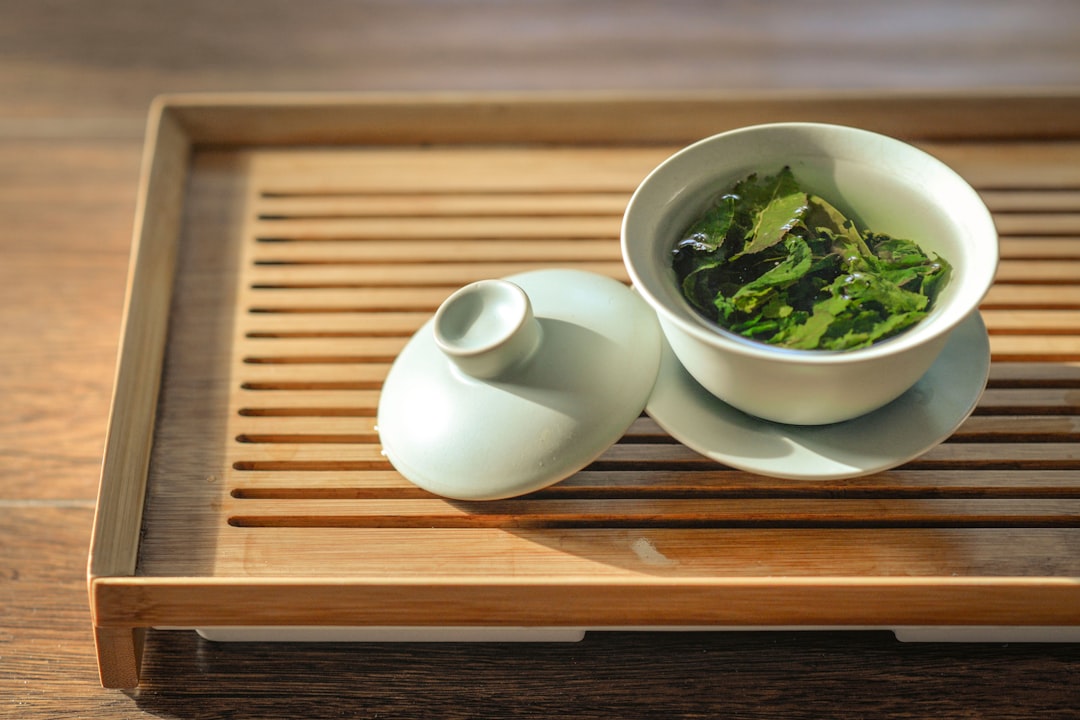
Moreover, the choice of tea bowl, or chawan, is a critical element in the tea ceremony, as it sets the tone for the entire ritual. Different styles of chawan, from rustic and earthy to refined and elegant, evoke specific moods and themes that complement the season or occasion of the ceremony. The texture and glaze of the chawan reflect the aesthetic sensibilities of the host and contribute to the overall visual appeal of the tea presentation. By paying attention to these details, participants in the tea ceremony engage in a deeper appreciation of the artistry and symbolism embedded in every utensil.

Japanese Tea Ceremony

Japanese Tea Ceremony Proper Tea Ceremony Etiquette

Etiquette in the tea ceremony extends beyond mere politeness and includes gestures, movements, and expressions that convey respect and mindfulness. Guests are expected to observe silence, focus on the present moment, and appreciate the efforts of the host in preparing the tea. Proper etiquette also involves handling the utensils with care, savoring the tea without haste, and showing gratitude for the experience.

An example that illustrates the significance of etiquette in the tea ceremony is the act of receiving the tea bowl. When the bowl is presented to a guest, it is customary to accept it with both hands as a sign of appreciation and attentiveness. By holding the bowl in this manner, guests demonstrate respect for the host, the tea, and the shared experience of the ceremony. This gesture of receiving the bowl symbolizes the interconnectedness of individuals in the tea room and the unspoken communication that occurs through the ritual.

Furthermore, the act of bowing in the tea ceremony is not merely a formality but a gesture of humility and acknowledgment of each other’s presence. The depth of the bow may vary depending on the occasion and the relationship between individuals, highlighting the nuanced and intricate nature of the tea ceremony etiquette. Additionally, the silence observed during the ceremony is not just about refraining from speaking; it is a way to cultivate inner peace, focus, and connection with the surroundings, fostering a sense of harmony and tranquility.

Modern Adaptations and Variations of the Japanese Tea Ceremony

Contemporary tea practitioners have introduced innovative approaches to the traditional ceremony, incorporating elements of art, performance, and technology. Some modern tea ceremonies integrate music, dance, and multimedia presentations to engage a broader audience and appeal to younger generations. While preserving the core principles of the tea ceremony, modern adaptations aim to make the practice more accessible, inclusive, and relevant in today’s society.

An example that showcases modern adaptations of the tea ceremony is the incorporation of interactive elements that enhance the overall experience for participants. Through the use of digital projections, soundscapes, and interactive displays, tea masters create immersive environments that transport guests to new realms of sensory exploration. By blending traditional rituals with contemporary technology, these adaptations breathe new life into the tea ceremony, making it a dynamic and engaging practice for diverse audiences.

Moreover, the evolution of the tea ceremony reflects a broader cultural shift towards inclusivity and accessibility. Modern adaptations strive to demystify the intricate rituals of the tea ceremony, making it more approachable for individuals from diverse backgrounds. By offering introductory workshops, open demonstrations, and online tutorials, contemporary tea practitioners aim to share the beauty and significance of the tea ceremony with a wider audience. Through these initiatives, the essence of the tea ceremony is preserved while embracing a modern ethos of openness and inclusivity, ensuring that this rich cultural heritage continues to flourish in the modern world.

Informal vs. Formal Tea Gatherings

Informal tea gatherings (chakai) are casual events where tea is served in a less structured manner, allowing for social interaction and relaxation. Formal tea gatherings (chaji) are elaborate ceremonies that follow a strict protocol, including a full-course kaiseki meal and specific seasonal themes. The distinction between informal and formal gatherings lies in the level of formality, duration, and complexity of the tea ceremony rituals.

An example that illustrates the differences between informal and formal tea gatherings is the attire worn by participants. During an informal tea gathering, guests may dress in casual attire that allows for ease of movement and comfort, reflecting the relaxed nature of the event. In contrast, formal tea gatherings require guests to wear traditional attire such as kimono or yukata, signifying respect for the ceremonial nature of the occasion. The choice of clothing not only sets the tone for the gathering but also underscores the cultural significance and reverence for the tea ceremony rituals.

Furthermore, the duration of informal and formal tea gatherings varies significantly, with informal gatherings typically lasting for a shorter period compared to formal ceremonies. Informal tea gatherings offer a more laid-back and social atmosphere where guests can engage in conversations, enjoy the tea, and appreciate the moment without the constraints of strict ceremony. In contrast, formal tea gatherings adhere to a specific timeline and sequence of events, ensuring that every aspect of the tea ceremony is conducted with precision and grace. The level of formality in these gatherings underscores the deep-rooted traditions and cultural values associated with the Japanese tea ceremony.

Seasonality in the Japanese Tea Ceremony

Seasonal changes influence various aspects of the tea ceremony, from the choice of utensils and decorations to the selection of tea flavors and themes. Spring and autumn are particularly celebrated in the tea ceremony for their symbolism of new beginnings, renewal, and the cycle of life. Tea practitioners adapt their practices to align with the changing seasons, creating a dynamic and ever-evolving tradition that reflects nature’s rhythms.

An example that highlights the importance of seasonality in the tea ceremony is the selection of tea flavors and ingredients based on the time of year. During the spring season, tea masters may choose lighter and more floral teas to complement the vibrant colors and fragrances of the season. In contrast, autumnal tea ceremonies may feature richer and earthier flavors that evoke the warmth and comfort of the changing landscape. By aligning the tea selection with the seasons, practitioners not only pay homage to nature but also create a sensory experience that resonates with the themes of renewal and transformation.

Moreover, seasonal decorations and motifs play a significant role in enhancing the ambiance of the tea ceremony and creating a connection to the natural world. For instance, during the summer months, tea rooms may be adorned with seasonal flowers and greens to evoke a sense of vitality and abundance. In winter, elements like pine branches and bamboo symbolize resilience and endurance, reflecting the enduring spirit of the tea ceremony. By incorporating these seasonal touches, tea practitioners infuse their ceremonies with layers of meaning and symbolism that deepen the participants’ appreciation of the interconnectedness between nature and human experience.

Tea Ceremony Venues

Purpose-built tea rooms called chashitsu are designed to create a serene and harmonious environment for the tea ceremony. Traditional tea rooms feature elements like tatami flooring, sliding doors, and alcoves for displaying art and seasonal decorations. The layout and design of the tea room, including the placement of utensils and seating arrangements, contribute to the overall aesthetic and ambiance of the ceremony.

An example that illustrates the meticulous design of a tea room is the use of natural materials such as wood, bamboo, and paper in its construction. These elements not only evoke a sense of tranquility and connection to the natural world but also reflect the traditional Japanese architectural principles that emphasize simplicity and harmony. The sliding doors, or fusuma, allow for flexible space utilization and create a seamless transition between the indoor and outdoor environments, enhancing the sense of openness and flow within the tea room.

Furthermore, alcoves in the tea room serve as focal points for displaying seasonal decorations, artistic scrolls, or flower arrangements, adding a touch of elegance and symbolism to the ambiance. For example, during the spring season, a simple vase with freshly picked cherry blossoms might adorn the alcove, symbolizing renewal and ephemeral beauty.

The meticulous placement of utensils, such as the tea bowl and tea scoop, follows specific spatial arrangements to harmonize with the design of the room and the theme of the ceremony. The seating arrangement, typically on tatami mats, is carefully considered to ensure that guests have a clear view of the tea preparation process, fostering a sense of intimacy and connection with the host and fellow participants.

The overall design and layout of the tea room are integral to creating a holistic and immersive experience that transcends mere functionality, embodying the core principles of harmony, respect, purity, and tranquility central to the Japanese tea ceremony.

Matcha Tea Green

Unveiling the Power of Matcha Tea: History, Health Benefits, and Preparation

Matcha Tea Green. An overview of matcha tea green, including its definition as a Japanese green tea powder, the high chlorophyll levels in matcha tea, and the potential health advantages of matcha tea over regular green tea.

Matcha Tea Green Benefits
Matcha Tea Green

Overview of Matcha Tea Green

Matcha tea green, a finely ground Japanese green tea powder, has a rich history dating back to the Tang Dynasty in China and further popularized by Zen Buddhists in Japan during the 12th century. This vibrant green tea is revered for its high chlorophyll levels, giving it a distinct color and unique flavor profile. The cultivation and production of matcha tea have evolved over the centuries in Japan, leading to the creation of ceremonial and culinary grades, each serving different purposes and offering varying taste experiences.

Matcha Tea Green. One of the key aspects that sets matcha tea apart from regular green tea is its method of consumption. While traditional green tea is steeped in hot water, matcha tea is whisked directly into hot water or steamed milk, ensuring that the entire ground tea leaf is consumed.

This method provides a more concentrated source of nutrients and antioxidants, making matcha tea a powerhouse of health benefits. Additionally, the combination of caffeine and theanine in matcha tea offers a calm and sustained energy boost, unlike the potential caffeine crashes associated with other caffeinated beverages.

For example, incorporating matcha powder into smoothies or baked goods not only enhances the flavor but also boosts the nutritional value of the dish, making it a versatile ingredient in various culinary creations.

Matcha Tea Green
Matcha Tea Green

The Origin and History of Matcha Tea

Matcha tea has a rich and fascinating history that spans centuries and cultures. While its origins can be traced back to the Tang Dynasty in China, where its cultivation first began, it was in Japan that matcha truly found its place in history. During the 12th century, Zen Buddhists in Japan integrated matcha tea into their ceremonial practices, transforming it into a symbol of meditation, mindfulness, and tranquility.

The meticulous cultivation and production techniques developed in Japan set matcha apart from other green teas. The ceremonial and culinary grades of matcha emerged, catering to different preferences and applications. For example, ceremonial grade matcha, made from the youngest tea leaves, is prized for its vibrant green color, mellow flavor, and smooth texture, making it ideal for traditional tea ceremonies.

On the other hand, culinary grade matcha, with its slightly more astringent profile, is favored for cooking, baking, and blending into beverages like lattes and smoothies. This versatility in grades showcases the adaptability of matcha tea and its ability to transcend its humble beginnings to become a beloved global beverage.

Health Benefits of Matcha Tea

Matcha tea is not only a delightful beverage but also a treasure trove of health benefits. The polyphenols present in matcha tea, especially the catechins such as EGCG, are powerful antioxidants that can help combat oxidative stress in the body. These antioxidants have been found to have effects similar to vitamins C and E, making matcha a potent source of these essential nutrients. For instance, EGCG, one of the most abundant catechins in matcha tea, has been linked to various health benefits, including potential anti-inflammatory and anti-cancer properties.

Moreover, the unique combination of theanine and caffeine in matcha tea sets it apart from other beverages. While caffeine provides a gentle energy boost, the presence of theanine promotes relaxation and mental clarity, resulting in a sustained and focused energy release. This synergy between the two compounds not only enhances concentration but also aids in stress relief, offering a holistic approach to energy enhancement that is gentle on the mind and body.

As a result, matcha tea has gained popularity as a natural alternative to coffee or energy drinks for those looking to boost their energy levels without the jitters or crashes commonly associated with high caffeine consumption. The holistic benefits of matcha tea underscore its position as a versatile and health-promoting beverage choice for individuals seeking a balanced lifestyle.

Matcha Tea Green
Matcha Tea Green

Matcha Tea vs. Regular

Matcha Tea Green And Green Tea

When comparing matcha tea to regular green tea, it’s essential to understand the distinct characteristics that set them apart. Matcha tea, a Japanese green tea powder, offers a unique consumption experience by incorporating the whole ground tea leaf. This means that when you drink matcha tea, you are consuming the actual leaf, providing a more concentrated source of nutrients, antioxidants, and flavor compared to steeped green tea.

On the other hand, regular green tea is prepared by steeping the tea leaves in hot water, which results in a diluted infusion of the tea’s compounds. This steeping process limits the amount of nutrients extracted from the leaves, making matcha tea a more potent option in terms of health benefits. Additionally, the vibrant green color of matcha tea is a result of the high chlorophyll levels present in the powdered tea, showcasing its richness in antioxidants.

To illustrate, imagine the difference between eating a whole piece of fruit versus having fruit juice. Matcha tea provides a more holistic approach to consuming green tea, similar to eating the fruit whole, while regular green tea is akin to drinking the extracted juice. This distinction highlights the unique benefits of matcha tea and its potential to offer a more comprehensive array of nutrients and antioxidants to the body, making it a popular choice for individuals seeking a health-conscious beverage option.

Popular Ways to Prepare and Consume Matcha Tea

Matcha tea is a versatile ingredient that opens up a world of culinary possibilities. Beyond being enjoyed as a traditional beverage, matcha can be incorporated into an array of recipes, such as matcha-infused baked goods, desserts like matcha ice cream or macarons, and even savory dishes like matcha soba noodles. This adaptability makes matcha a beloved choice for chefs and home cooks looking to infuse a unique flavor and vibrant green color into their creations.

In addition to its role in gastronomy, matcha tea holds a special place in Japanese culture through the revered practice of the tea ceremony called chanoyu. This centuries-old ritual emphasizes mindfulness, harmony, respect, and purity. It involves precise steps in the preparation and serving of matcha, showcasing the deep-rooted traditions and profound meaning associated with the beverage. The ceremony’s aesthetics, from the graceful movements to the serene setting, elevate matcha tea to an art form beyond taste, embodying a holistic sensory experience.

For those seeking a more contemporary approach to enjoying matcha, the ever-popular matcha latte offers a delightful fusion of cultures. Combining the rich, earthy notes of matcha with creamy steamed milk, this modern beverage provides a comforting and energizing treat. Whether sipped in a cozy café or crafted at home, the matcha latte encapsulates the harmonious blend of tradition and innovation that defines matcha tea in today’s diverse culinary landscape.

Best Matcha Tea Brands

When exploring the realm of matcha tea, it becomes evident that the Uji region in Japan is a prominent hub for producing top-tier matcha. Renowned for its exceptional quality and distinct flavor profile, Uji matcha has garnered a reputation for being the preferred choice among discerning tea connoisseurs. The meticulous cultivation and harvesting methods employed in the Uji region contribute to the superior taste and aroma that sets this matcha apart from the rest.

Matcha Tea Green. Moreover, the distinction between culinary grade and ceremonial grade matcha offers consumers a diverse range of options to cater to their specific preferences. Culinary grade matcha, with its robust flavor and versatility, is well-suited for culinary creations such as matcha-infused desserts and savory dishes. On the other hand, ceremonial grade matcha, characterized by its delicate taste and vibrant green hue, is traditionally reserved for formal tea ceremonies, embodying a sense of reverence and tradition with each sip.

One exemplary brand that encapsulates the essence of premium matcha is Eco Heed, recognized for its commitment to quality and authenticity. By obtaining USDA and JAS certifications for their organic matcha, Eco Heed ensures that customers receive a product that not only delights the taste buds but also upholds stringent standards of production. This dedication to excellence underscores the brand’s reputation as a trusted source for superior matcha tea, promising a sip of pure indulgence with every cup [1, 5].

Green Tea And Heart Health

Unveiling the Heart-Protective Powers of Green Tea

Green Tea and Heart Health: Learn about the potential benefits of green tea for heart health, including its ability to reduce inflammation, protect blood vessels, lower cholesterol levels, and decrease the risk of heart disease and stroke. Explore the antioxidative effects of green tea catechins and understand how they contribute to cardiovascular health. Compare black tea and green tea for heart health, and discover the precautions and considerations for green tea consumption. Discover the role of EGCG, a compound in green tea, in disrupting protein plaques linked to heart attacks and strokes.

Green Tea And Heart Health

Introduction to Green Tea’s Impact on Heart Health

Green tea has been cherished for centuries for its multifaceted health advantages, gaining particular attention for its potential positive effects on heart health. One of the vital elements in green tea that underpins its health benefits is its rich antioxidant content, notably catechins and polyphenols. These antioxidants act as guardians of heart health by combatting oxidative stress and inflammation, which are key factors in the development of cardiovascular diseases.

The catechins in green tea, such as epigallocatechin gallate (EGCG), have shown promising results in research related to heart health. For instance, studies have demonstrated that EGCG can aid in breaking down protein plaques linked to heart attacks and strokes, potentially reducing the risk of these life-threatening events. This highlights the significant role green tea can play in maintaining a healthy heart and preventing cardiovascular issues. Additionally, the polyphenols present in green tea have been associated with various protective mechanisms that contribute to overall cardiovascular well-being, emphasizing the importance of incorporating green tea into a heart-healthy lifestyle.

Understanding the Benefits of Green Tea for Heart Health

Green tea’s impact on heart health extends beyond reducing inflammation and protecting blood vessels. The antioxidants in green tea, such as catechins and polyphenols, play a crucial role in promoting cardiovascular well-being. These antioxidants, particularly catechins, have been found to scavenge free radicals, inhibit lipid biosynthesis enzymes, and regulate vascular tone, all of which contribute to the prevention of vascular diseases. For instance, the antioxidative properties of green tea catechins help combat oxidative stress, a key player in the development of heart conditions.

Green Tea And Heart Health: Moreover, studies have indicated that green tea consumption can lead to a reduction in LDL cholesterol and triglyceride levels, which are significant risk factors for heart disease. By incorporating green tea into one’s daily routine, individuals may experience a 28% lower risk of coronary artery disease compared to non-drinkers, showcasing the positive impact of this beverage on heart health. This highlights the potential of green tea not only in preventing heart disease but also in aiding in the management of existing cardiovascular conditions.

Green Tea And Heart Health


Green Tea And Heart Health Vascular Protective Effects of Green Tea Catechins

Green tea catechins are known for their remarkable vascular protective effects, contributing significantly to heart health. One crucial aspect is their antioxidative properties, which help combat free radicals that can damage blood vessels. For instance, epigallocatechin gallate (EGCG), a catechin present in green tea, has been shown to scavenge free radicals effectively, thereby reducing oxidative stress and protecting the cardiovascular system.

Moreover, the anti-inflammatory effects of green tea catechins play a pivotal role in maintaining vascular health. These compounds help to suppress inflammatory pathways within the blood vessels, reducing the risk of inflammation-induced damage. By inhibiting smooth muscle cell proliferation and platelet adhesion, catechins assist in preserving the elasticity and function of blood vessels, which is essential for overall heart health.

Additionally, the lipid-lowering effects of green tea catechins are crucial for cardiovascular well-being. These catechins can regulate lipid biosynthesis enzymes, thereby aiding in reducing LDL cholesterol and triglyceride levels in the blood. Lowering these lipids is beneficial as it decreases the risk of atherosclerosis, a condition where plaque builds up in the arteries, potentially leading to heart attacks and strokes. By incorporating green tea catechins into one’s daily routine, individuals can support their heart health by harnessing these multifaceted vascular protective effects.

Benefits of Drinking Green Tea for Heart Health

Regular consumption of green tea offers a myriad of heart-healthy benefits, making it a valuable addition to one’s daily routine. One of the key advantages of green tea is its ability to lower LDL cholesterol and triglyceride levels. By reducing these lipid markers, green tea plays a crucial role in decreasing the risk of various cardiovascular diseases, ultimately contributing to better heart health. For instance, individuals who incorporate green tea into their diet have been shown to experience a significant reduction in their chances of developing coronary artery disease, with a notable 28% lower risk compared to those who do not consume green tea regularly.

Moreover, the benefits of green tea extend beyond its traditional form, with green tea capsules containing catechins emerging as a convenient and effective means of enhancing heart health. These capsules, packed with the beneficial compounds found in green tea, have been utilized to support individuals in improving their cholesterol levels.

Green Tea And Heart Health. This alternative way of consuming green tea showcases the versatility of this beverage in promoting cardiovascular wellness. By exploring innovative methods like green tea capsules, individuals have the opportunity to harness the heart-protective properties of green tea in a manner that suits their lifestyle and preferences, further underlining the versatile nature of green tea in fostering heart health.

Comparing Black Tea and Green Tea for Heart Health

When comparing black tea and green tea for heart health, it’s essential to understand the differences in their antioxidant profiles. Green tea is rich in catechins, particularly epigallocatechin gallate (EGCG), which have potent protective effects on the heart. On the other hand, black tea contains theaflavins and thearubigins, which also exhibit antioxidant properties but differ from the catechins found in green tea. These antioxidants play a crucial role in reducing oxidative stress and inflammation, ultimately benefiting heart health.

Moreover, the caffeine content in black tea and green tea varies, with black tea generally containing higher levels of caffeine. Caffeine can have both positive and negative impacts on heart health, such as increasing alertness but potentially causing palpitations in sensitive individuals. Green Tea And Heart Health. Understanding the caffeine content of each type of tea is important for individuals looking to optimize their heart health through tea consumption. By being mindful of the caffeine levels, individuals can make informed choices about incorporating black tea or green tea into their daily routine for cardiovascular benefits.

Precautions and Considerations for Green Tea Consumption

When delving into the realm of green tea consumption, it’s crucial to acknowledge the delicate balance between its benefits and potential risks. While green tea is celebrated for its positive impact on heart health, exceeding the daily recommended intake, especially surpassing five cups a day, might pose certain dangers. Green Tea And Heart Health. For instance, elevated liver enzymes and the formation of kidney stones could be associated with the excessive consumption of green tea, underscoring the importance of moderation in its usage.

Moreover, it’s prudent to highlight the significance of heeding the guidelines on green tea consumption. By maintaining a moderate approach and savoring a few cups of green tea daily, individuals can harness its cardiovascular advantages effectively while sidestepping the pitfalls linked to overindulgence. This cautious approach not only safeguards against potential side effects but also ensures a balanced and sustainable integration of green tea into one’s daily routine for optimal heart health benefits.

Green Tea And Heart Health Role of EGCG in Green Tea for Heart Health

EGCG, a prominent compound in green tea, plays a vital role in potentially disrupting protein plaques associated with heart attacks and strokes. For instance, studies have shown that EGCG has the capability to bind to amyloid fibers within plaques, transforming them into less harmful molecules, thus potentially reducing the risk of cardiovascular events. This mechanism highlights the significance of EGCG in the realm of heart health and underscores its therapeutic potential in combating conditions linked to heart disease.

Furthermore, the exploration of EGCG for heart-related treatments is an area of active research. Scientists are investigating various ways to harness the properties of EGCG effectively to develop interventions that could benefit individuals at risk of heart-related issues. As these studies progress, it becomes increasingly evident that while EGCG shows promise in heart health, it is not a standalone solution. Instead, it should be integrated into a holistic approach to health, which includes a balanced diet, regular exercise, and other heart-healthy practices to maximize its benefits.

Advantage Of Green Tea

Advantage Of Green Tea: Unlocking the Health Benefits of this Ancient Elixir

Advantage of green tea.  This article discusses the various health benefits of green tea, including its potential to fight cancer, improve dental health, lower the risk of chronic diseases, aid in weight management, and extend lifespan, while also addressing potential risks and side effects.

the advantage of green tea
advantage of green tea

Introduction to the Benefits of Green Tea

Green tea, with its roots tracing back to ancient China and Japan, has been celebrated for centuries for its extensive array of health advantages, ranging from boosting metabolism to enhancing brain function. The tea made its way to Europe in the 17th century, where it was not only cherished for its taste but also highly valued for its potential health benefits.

Over time, green tea has evolved to be available in diverse forms, including bagged, flavored, sweetened, powder, and loose-leaf tea, catering to various preferences and making it a versatile option for health-conscious individuals worldwide.

The benefits of green tea extend beyond mere refreshment. For instance, studies suggest that the polyphenol antioxidants present in green tea, particularly EGCG, may have a positive impact on cognition, mood, and brain function. These antioxidants, by combating oxidative stress and reducing inflammation, contribute to improved overall health and well-being.

Moreover, the consumption of green tea has been linked to an increase in metabolic rate and fat burning, especially when combined with regular exercise, making it a potentially valuable aid in weight management and fitness goals.

advantage of green tea for your health
advantage of green tea

Health Benefits of Green Tea

Green tea is renowned for its numerous health benefits, primarily due to its rich catechin content. Catechins, a type of natural phenol and antioxidant found in green tea, possess potent anti-inflammatory properties that can help combat various health issues. For instance, these antioxidants may aid in reducing inflammation throughout the body, contributing to the prevention of chronic diseases and promoting overall well-being. Moreover, catechins have shown promising potential in fighting cancer, making green tea a valuable addition to a cancer-fighting diet.

In addition to its anti-inflammatory and anti-cancer properties, green tea plays a vital role in improving oral health. By reducing harmful bacteria in the mouth, green tea not only promotes better dental hygiene but also helps combat bad breath, enhancing overall oral care. Furthermore, the neuroprotective qualities of green tea have been increasingly recognized. Regular consumption of green tea has been associated with a decreased risk of neurodegenerative diseases, such as Alzheimer’s and Parkinson’s, showcasing the cognitive benefits of this ancient beverage. With its versatile health benefits, green tea stands out as a natural remedy that supports various aspects of well-being and longevity.

 Advantage Of Green Tea Impact of Green Tea on Chronic Diseases

Green tea is known for its potential in reducing the risk of developing type 2 diabetes, making it a valuable addition to a balanced diet and lifestyle. For example, the catechins found in green tea have been linked to improved insulin sensitivity, which is beneficial for individuals with or at risk of type 2 diabetes. Additionally, regular consumption of green tea has shown promising results in managing symptoms associated with type 2 diabetes, such as elevated blood sugar levels. This suggests that incorporating green tea into daily routines may contribute to better metabolic health and overall well-being.

Furthermore, the impact of green tea on heart health extends to its ability to help lower blood pressure, which is a significant factor in reducing the risk of cardiovascular diseases. By promoting cardiovascular health, green tea may play a preventive role in conditions such as heart disease and stroke, offering a natural and accessible way to support heart function. The combination of benefits related to type 2 diabetes management and heart health highlights the multifaceted advantages of integrating green tea into a health-conscious lifestyle.

Weight Management, Metabolism, and Longevity

When it comes to weight management, green tea stands out as a beneficial beverage. The catechins found in green tea have been shown to aid in burning fat, which can be advantageous for individuals striving to maintain a healthy weight. For instance, one study demonstrated that participants who consumed green tea extract experienced a significant decrease in body weight and body fat percentage compared to a control group. This highlights the potential of green tea in supporting weight loss goals and overall fitness.

Moreover, the impact of green tea on metabolism is noteworthy. Green tea has been found to increase metabolic rate and enhance fat burning, especially when combined with regular physical activity. This synergy between green tea consumption and exercise can be particularly beneficial for individuals looking to optimize their metabolic processes and achieve sustainable weight management. Additionally, the antioxidants in green tea play a crucial role in promoting longevity by combating free radicals and oxidative stress, which are linked to various chronic diseases. By incorporating green tea into daily routines, individuals may not only support their weight management and metabolism but also improve their overall health and potentially extend their lifespan.

Potential Risks and Side Effects of Green Tea

While green tea offers numerous health benefits, it is essential to consume it in moderation to avoid potential risks and side effects. Excessive intake of green tea can lead to liver damage, emphasizing the importance of moderation in consumption. For example, a study published in the Journal of Hepatology found that high doses of green tea extract led to liver toxicity in mice, highlighting the importance of being mindful of intake levels.

Individuals with caffeine sensitivity should also be cautious when consuming green tea, as it contains caffeine that may cause adverse effects in sensitive individuals. Symptoms of caffeine sensitivity can include jitteriness, rapid heartbeat, and insomnia. Therefore, it is crucial for those with caffeine sensitivity to monitor their green tea intake. Additionally, green tea may interact with stimulant medications, underscoring the necessity of consulting a healthcare provider before incorporating it into your routine. This is particularly important for individuals taking medications for conditions such as ADHD or asthma, where interactions with caffeine can have significant effects on the effectiveness of the medication.

advantage of green tea

Recommended Daily Intake and Concluding Remarks

Advantage of green tea. When considering the advantages of green tea consumption, it is suggested to enjoy 3-5 cups of green tea daily to harness its full health potential. For instance, by drinking 3 cups of green tea throughout the day, you can benefit from its antioxidant properties that support overall well-being. This recommended intake level allows you to maintain a balance, ensuring you obtain the goodness of green tea without exceeding healthy limits.

Moreover, incorporating green tea into your daily routine can be a simple yet effective way to boost your health. For example, starting your morning with a warm cup of green tea can kickstart your metabolism and provide a gentle energy lift. Additionally, swapping sugary beverages for green tea can be a smart choice to reduce calorie intake and promote hydration. Advantage of green tea by making green tea a regular part of your lifestyle, you not only nurture your body with beneficial antioxidants but also cater to your taste preferences in a health-conscious manner.

Green Tea Rich In Antioxidants

Unleashing the Power of Green Tea Rich In Antioxidants

Green Tea Rich in Antioxidants: Explore the powerful antioxidant properties of green tea, its potential health benefits including cancer prevention, improved oral health, and its role in managing type 2 diabetes, heart health, weight management, and longevity.

Green Tea Rich In Antioxidants

Introduction to Green Tea as a Source of Antioxidants

Green Tea Rich In Antioxidants. Antioxidants found in green tea, primarily polyphenols and catechins, play a crucial role in protecting cells from damage caused by free radicals. Free radicals are unstable molecules that can lead to oxidative stress and various chronic diseases. For example, epigallocatechin gallate (EGCG), a key catechin in green tea, has been extensively studied for its potent antioxidant properties and health benefits. Studies have shown that the antioxidants in green tea can help reduce inflammation and combat oxidative stress, contributing to overall well-being.

Green tea stands out as a rich source of polyphenol antioxidants, with catechins being particularly abundant. Among these catechins, EGCG has garnered significant attention for its potential health-promoting effects. Research has shown that EGCG can help protect cells from damage, promote DNA repair, and support various cellular functions. By neutralizing harmful free radicals, green tea antioxidants help maintain cellular health and reduce the risk of chronic diseases. An illustrative example is how EGCG’s antioxidant properties can mitigate the negative impact of environmental pollutants on cells, highlighting the importance of these compounds in cellular protection.

Green Tea Rich In Antioxidants. Antioxidants found in green tea, such as EGCG, are known for their ability to scavenge free radicals and reduce oxidative stress in the body. By neutralizing free radicals, green tea antioxidants help prevent cell damage and inflammation, which are key factors in the development of chronic diseases. Regular consumption of green tea can significantly enhance the body’s antioxidant capacity, providing a layer of defense against oxidative damage and supporting overall health and longevity. For instance, the antioxidants in green tea can aid in repairing damaged cells and tissues, promoting better cellular function and resilience. Green Tea Rich In Antioxidants. This highlights the essential role of green tea as a natural source of antioxidants in maintaining cellular health and combating the effects of oxidative stress.

The Antioxidants in Green Tea

Green tea’s antioxidants, including EGCG, have been linked to a wide range of health benefits beyond their role in combating oxidative stress. These antioxidants have shown promise in improving brain function, metabolism, and even weight management. For example, research suggests that the polyphenols and catechins in green tea act as powerful free radical scavengers, helping to neutralize harmful molecules in the body. By enhancing the body’s defense mechanisms, green tea antioxidants can contribute to cellular protection and repair, supporting overall health.

In addition to their antioxidant properties, green tea polyphenols have been associated with various health benefits, such as enhanced cognitive function and metabolic rate. Studies have indicated that regular consumption of green tea can boost antioxidant capacity in the body, leading to improved cellular protection and repair. For instance, the catechins in green tea have been shown to have neuroprotective effects, potentially reducing the risk of neurodegenerative diseases. By incorporating green tea into your daily routine, you can reap the benefits of these antioxidants for better cellular health and overall well-being. An example of this is how green tea antioxidants can help in preventing cell damage and supporting the body’s natural repair processes, promoting longevity and vitality.

The antioxidants in green tea, particularly EGCG, have been extensively studied for their potential health impacts, including their role in improving brain function and metabolism. These antioxidants act as free radical scavengers, neutralizing harmful molecules in the body and reducing oxidative stress. By increasing antioxidant capacity, green tea consumption can aid in cellular protection and repair, contributing to overall health and well-being. For example, the polyphenols in green tea have shown promising results in enhancing cognitive function and mood, highlighting the multifaceted benefits of these antioxidants. This exemplifies how green tea antioxidants can support brain health and metabolic function, providing a holistic approach to well-being.

Health Benefits of  Green Tea Consumption

Green tea consumption has been associated with a wide array of health benefits, ranging from cognitive enhancement to cancer prevention. The antioxidants present in green tea play a significant role in these health benefits, offering a natural and holistic approach to well-being. For instance, green tea’s ability to positively impact cognition, mood, and brain function has been attributed to its antioxidant content. Studies have shown that the catechins in green tea can help protect brain cells from damage and support cognitive processes, potentially reducing the risk of cognitive decline.

Moreover, the potential link between green tea consumption and cancer prevention has garnered significant interest among researchers. While more studies are needed to confirm these findings, early research suggests that the polyphenols in green tea, particularly EGCG, may have a protective role against certain types of cancer. For example, laboratory experiments have demonstrated that green tea catechins can inhibit the growth of cancer cells and induce apoptosis, highlighting their potential as anticancer agents. By incorporating green tea into your daily routine, you may benefit from its cancer-preventive properties and support overall health and well-being. This demonstrates the promising role of green tea in cancer prevention through its antioxidant-rich composition.

In addition to its cognitive and anticancer effects, green tea consumption has been associated with metabolic benefits that support weight management efforts. The antioxidants in green tea, such as catechins and polyphenols, can increase metabolic rate and fat burning, potentially aiding in weight loss. For instance, the thermogenic properties of green tea have been linked to enhanced fat oxidation and energy expenditure, making it a valuable addition to a healthy lifestyle. By incorporating green tea into your diet, you can take advantage of its metabolism-boosting effects and support your weight management goals. This highlights how green tea antioxidants can play a role in enhancing metabolic function and promoting a healthy weight.

Polyphenols in Green Tea and Cancer Prevention

Green tea polyphenols, including catechins like EGCG, are believed to play a vital role in cancer prevention by inhibiting the growth of cancer cells and inducing cell death. These antioxidants act as both antioxidants and pro-oxidants, exerting complex effects on cancer cells. For example, in laboratory studies, green tea polyphenols have demonstrated the ability to upregulate antioxidant enzymes and trigger apoptosis in cancer cells. While the mechanisms behind these effects require further investigation, the potential of green tea polyphenols in cancer prevention is promising.

Green Tea Rich In Antioxidants. Furthermore, the balance between the antioxidant and pro-oxidant properties of green tea polyphenols is crucial in understanding their role in cancer prevention. By acting as antioxidants, these compounds can help neutralize free radicals and reduce oxidative stress, which is linked to cancer development. However, their pro-oxidant effects involve the generation of reactive oxygen species that can induce apoptosis in cancer cells, contributing to their potential anticancer activity. The intricate interplay between these dual properties underscores the complexity of green tea polyphenols in modulating cancer cell behavior and highlights the need for further research to elucidate their mechanisms of action. This exemplifies how green tea polyphenols can offer a multifaceted approach to cancer prevention through their antioxidant and pro-oxidant activities.

Research on the effects of green tea polyphenols in cancer prevention emphasizes the need for continued investigations into their mechanisms and potential applications. While early studies have shown promising results in inhibiting cancer cell growth and inducing apoptosis, further research is required to fully understand the anticancer properties of green tea polyphenols. For example, ongoing clinical trials are exploring the use of green tea extracts in cancer therapy to assess their efficacy and safety. By elucidating the molecular pathways and interactions involved in green tea’s anticancer effects, researchers aim to harness the full potential of these natural compounds in preventing and treating cancer. This demonstrates the ongoing efforts to unlock the therapeutic benefits of green tea polyphenols in combating cancer and promoting overall health.

Green Tea’s Impact on Oral Health

Green tea’s beneficial effects on oral health are attributed to its antibacterial properties and anti-inflammatory effects. The catechins in green tea, such as EGCG, have been shown to inhibit the growth of harmful bacteria in the mouth, reducing the risk of oral infections and cavities. By incorporating green tea into your oral hygiene routine, you can promote a healthier oral environment and support overall dental health. For example, the antimicrobial properties of green tea can help combat common oral bacteria like Streptococcus mutans, which is a major contributor to tooth decay and plaque formation.

Moreover, the anti-inflammatory properties of green tea catechins can benefit gum health by reducing inflammation and lowering the risk of periodontal diseases. Regular consumption of green tea may help soothe gum tissues and support gum health, contributing to overall oral hygiene. By enjoying a cup of green tea daily, you can harness its anti-inflammatory effects to promote healthy gums and prevent common oral issues. This illustrates how green tea’s natural compounds can provide a gentle yet effective approach to supporting oral health and maintaining a healthy smile.

Green tea’s impact on oral health extends to its potential role in preventing oral diseases and promoting overall dental well-being. The catechins in green tea have been shown to possess anti-cavity properties, inhibiting the growth of bacteria that contribute to tooth decay and plaque formation. By incorporating green tea into your daily routine, you can help protect your teeth and gums from common oral health issues. For example, the antimicrobial effects of green tea catechins can help maintain a balanced oral microbiome, reducing the risk of infections and promoting oral hygiene. This highlights the importance of green tea as a natural and beneficial addition to your oral care regimen.

Green Tea and Type 2 Diabetes Management

Green tea’s potential role in managing type 2 diabetes is linked to its antioxidant properties and effects on glucose metabolism. The polyphenols in green tea, particularly EGCG, have shown promise in regulating blood sugar levels and improving insulin sensitivity in individuals with type 2 diabetes. For example, studies have demonstrated that green tea catechins can enhance insulin action and glucose tolerance, essential factors in diabetes management. By incorporating green tea into a balanced diet, individuals with diabetes may benefit from its therapeutic effects on blood sugar control and metabolic health.

Furthermore, the antioxidant-rich composition of green tea may contribute to better glucose metabolism and insulin sensitivity in individuals with type 2 diabetes. Research suggests that green tea polyphenols can help reduce oxidative stress and inflammation, which are associated with insulin resistance and diabetic complications. For instance, the anti-inflammatory effects of green tea antioxidants can support overall metabolic health and improve glycemic control in diabetic patients. By incorporating green tea into your daily routine, you can potentially enhance your diabetes management and promote better blood sugar regulation. This illustrates how green tea antioxidants can offer a natural and holistic approach to supporting metabolic health in individuals with type 2 diabetes.

Green tea’s effects on blood sugar regulation and insulin sensitivity have implications for type 2 diabetes management and overall metabolic health. The catechins in green tea, particularly EGCG, have been studied for their potential role in improving insulin action and glucose metabolism. For example, clinical trials have shown that green tea consumption can lead to reductions in fasting blood sugar levels and improvements in insulin sensitivity in individuals with type 2 diabetes. By incorporating green tea into your diet, you may benefit from its metabolic effects and support your diabetes management goals. This highlights the therapeutic potential of green tea as a natural remedy for promoting metabolic health and blood sugar control in individuals with type 2 diabetes.

Green Tea’s Influence on Heart Health

Green tea’s impact on heart health extends to its potential in lowering cholesterol levels and reducing the risk of cardiovascular diseases. The antioxidants in green tea, such as catechins and polyphenols, play a crucial role in protecting the heart by preventing the oxidation of LDL cholesterol. By inhibiting LDL oxidation, green tea can help reduce the formation of plaque in arteries, a key factor in heart disease development. For example, the catechins in green tea have shown promise in improving lipid profiles and supporting cardiovascular health.

Moreover, green tea’s effects on heart health are attributed to its ability to enhance endothelial function, which is essential for maintaining healthy blood vessels and circulation. Endothelial cells play a vital role in regulating vascular tone and blood clotting, and green tea catechins have been shown to improve endothelial function. By supporting optimal endothelial function, green tea can promote better blood flow and reduce the risk of cardiovascular events like heart attacks and strokes. This underscores the cardioprotective effects of green tea and its potential in maintaining a healthy heart. An example of this is how green tea antioxidants can help in preventing the oxidation of LDL cholesterol, a key factor in the development of atherosclerosis and heart disease.

Green Tea Rich In Antioxidants. In addition to its antioxidant properties, green tea’s anti-inflammatory effects can benefit heart health by reducing inflammation in the cardiovascular system. Chronic inflammation is a contributing factor to the development of heart disease, and green tea’s anti-inflammatory compounds can help mitigate this risk. By reducing inflammation and oxidative stress, green tea polyphenols offer a holistic approach to supporting cardiovascular health and preventing heart-related conditions. Incorporating green tea into your daily routine can be a natural and effective way to promote heart health and reduce the risk of cardiovascular diseases. This demonstrates the multifaceted benefits of green tea in maintaining a healthy heart and overall cardiovascular well-being.

Green Tea’s Role in Weight Management

Green tea’s role in weight management is linked to its thermogenic properties and effects on fat oxidation. The antioxidants in green tea, such as catechins and polyphenols, can increase metabolic rate and energy expenditure, aiding in weight loss. For instance, studies have shown that green tea consumption can lead to enhanced fat burning and calorie expenditure, making it a valuable addition to a weight management regimen. By incorporating green tea into your diet, you can take advantage of its metabolism-boosting effects and support your weight loss goals.

Furthermore, green tea’s effects on appetite suppression and satiety can contribute to better weight management outcomes. The combination of caffeine and catechins in green tea has been associated with reduced hunger levels and increased feelings of fullness, potentially leading to lower calorie intake. For example, green tea consumption has been shown to help individuals feel more satisfied after meals and less likely to overeat, supporting weight loss efforts. By incorporating green tea into your daily routine, you can benefit from its appetite-suppressing effects and promote a healthier approach to weight management. This illustrates how green tea antioxidants can play a role in appetite control and satiety, aiding individuals in their weight loss journeys.

Green tea’s impact on weight management goes beyond calorie burning to include its potential role in suppressing appetite and supporting satiety. The thermogenic properties of green tea, particularly its catechin content, can aid in fat oxidation and energy expenditure, contributing to weight loss. Studies have shown that green tea consumption can lead to increased metabolic rate and fat burning, making it a valuable tool for individuals looking to manage their weight. By incorporating green tea into your daily routine, you can take advantage of its multifaceted effects on metabolism and appetite to support your weight management goals. This highlights the holistic approach of green tea in promoting a healthy weight and overall well-being.

Longevity Benefits of Green Tea Rich In Antioxidants

Green Tea Rich In Antioxidants. Research suggests that green tea consumption may offer longevity benefits by promoting overall health and well-being. The antioxidants and bioactive compounds in green tea, such as catechins and polyphenols, work synergistically to combat oxidative stress and inflammation, key contributors to chronic diseases. For example, the potent antioxidant epigallocatechin gallate (EGCG) found in green tea has been shown to protect cells from damage and support cellular health, potentially leading to a longer lifespan. By incorporating green tea into your daily routine, you can benefit from its longevity-promoting effects and support your overall health.

Furthermore, the association between green tea consumption and lower mortality rates underscores the potential longevity benefits of this beverage. Individuals who regularly consume green tea have been found to exhibit reduced risks of heart disease-related mortality compared to non-tea drinkers, highlighting the cardioprotective effects of green tea. Moreover, the anti-inflammatory and antioxidant properties of green tea have been linked to a decreased risk of chronic conditions and improved health outcomes. By incorporating green tea into your lifestyle, you can potentially enhance your longevity and well-being, supporting a healthier and more vibrant life. This illustrates how green tea antioxidants can contribute to a longer and healthier lifespan by protecting against diseases and promoting overall vitality.

Studies have shown that the combination of antioxidants and bioactive compounds in green tea can contribute to a longer lifespan and improved health outcomes. Green tea drinkers have been found to exhibit lower mortality rates compared to non-tea drinkers, indicating the potential longevity benefits of regular green tea consumption. The antioxidants in green tea, particularly EGCG, have been shown to protect cells from damage and reduce the risk of chronic diseases. By incorporating green tea into your daily routine, you can benefit from its protective effects on cellular health and overall well-being, promoting longevity and vitality. This highlights the multifaceted advantages of green tea in supporting a healthy and fulfilling life.